
Metformin, a widely prescribed medication for the management of type 2 diabetes, may offer a protective effect against the development of long Covid, according to clinical trial data published in The Lancet Infectious Diseases. Researchers found that early administration of the drug to non-hospitalized adults diagnosed with SARS-CoV-2 infection was associated with a lower incidence of long-term symptoms compared to a placebo group. This potential therapeutic application marks a significant area of investigation for public health officials seeking to mitigate the lingering health impacts of the pandemic.
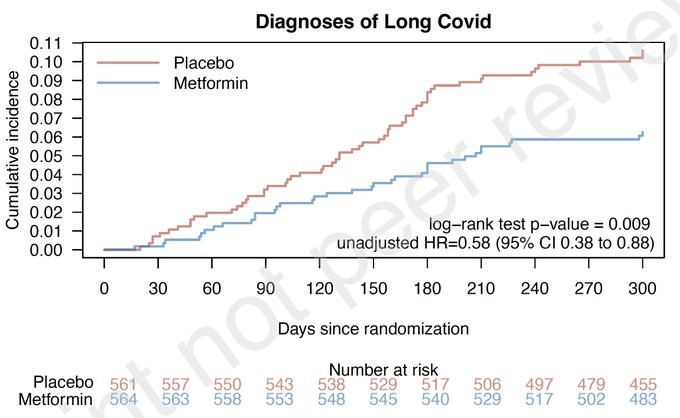
The study, known as the COVID-OUT trial, evaluated 1,126 participants across the United States. According to the findings reported by the University of Minnesota, which led the research, participants who received metformin within a few days of symptom onset showed a 41% reduction in the incidence of long Covid over a 10-month follow-up period. This suggests that the medication’s anti-inflammatory and antiviral properties might interfere with the mechanisms that lead to persistent post-viral health issues, a condition that continues to affect millions globally.
Understanding the Mechanism of Action
The primary hypothesis behind using metformin to prevent long Covid centers on the drug’s known safety profile and its impact on cellular metabolism. Metformin works primarily by activating the AMP-activated protein kinase (AMPK) pathway, which plays a critical role in cellular energy balance and the regulation of inflammatory responses. By modulating these pathways, the drug may limit the excessive immune activation often observed in the acute phase of a viral infection.
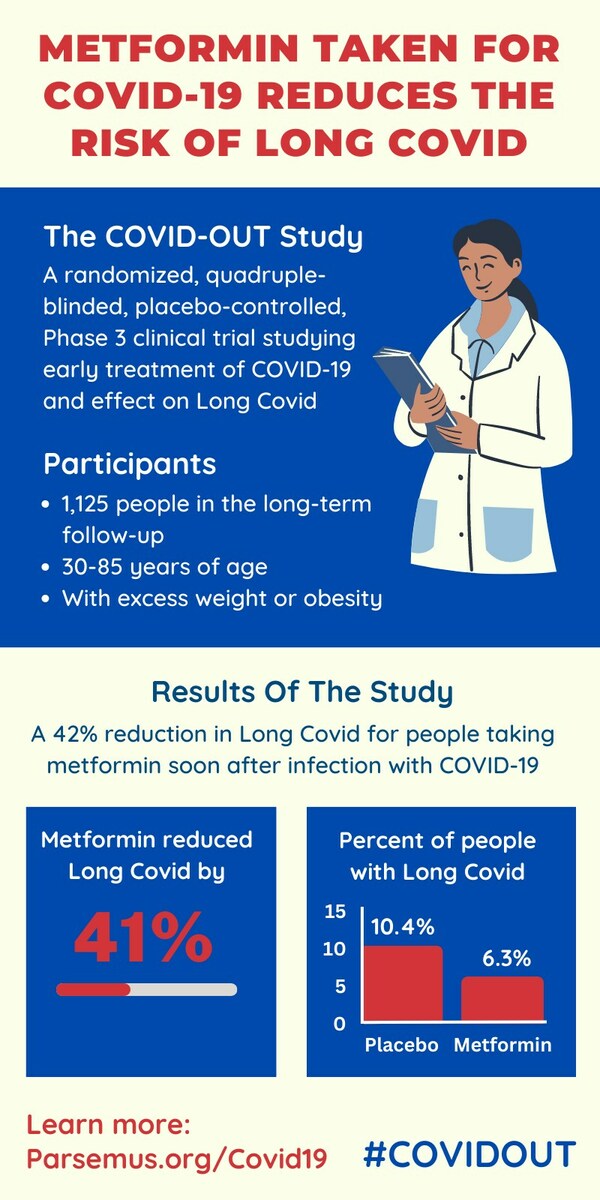
According to the National Institutes of Health (NIH), which provided funding for the study, the research team focused on non-hospitalized individuals who were at risk for severe disease. The study utilized a randomized, double-blind, placebo-controlled design, which is considered the gold standard for clinical evidence. By targeting the viral replication cycle early—specifically within the first seven days of symptom onset—the intervention aimed to prevent the viral “reservoir” or inflammatory cascade that some experts believe drives the prolonged symptoms of long Covid.
Clinical Significance and Limitations
While the reduction in long Covid incidence is statistically significant, medical professionals emphasize the necessity of context. Metformin is not a cure for existing long Covid, nor is it currently indicated for the treatment of acute respiratory infections in patients without diabetes. The study specifically highlighted that the protective effect was observed when the drug was administered in the very early stages of a SARS-CoV-2 infection.
As noted by the Centers for Disease Control and Prevention (CDC), long Covid encompasses a wide range of symptoms—including fatigue, cognitive impairment, and respiratory issues—that persist for weeks, months, or even years after the initial infection. Because the condition is heterogeneous, meaning it manifests differently in various patients, researchers caution that a single treatment may not be universally effective. Patients are advised to consult with their primary care providers before considering off-label use of any medication, as individual health histories and potential contraindications must be thoroughly assessed.
Current Research and Future Directions
The medical community is now looking toward larger, multi-center studies to validate these findings across more diverse populations. The initial success of the COVID-OUT trial has spurred interest in examining whether other existing medications, such as those used for cardiovascular health or metabolic disorders, might similarly offer protection against post-viral syndromes. This approach, known as drug repurposing, is a priority for the World Health Organization (WHO) as it seeks cost-effective ways to manage the ongoing burden of post-acute sequelae of SARS-CoV-2.
Future investigations are expected to focus on identifying the specific biomarkers that predict which patients are most likely to benefit from early metformin intervention. According to the clinical trial registry maintained by the U.S. National Library of Medicine, ongoing follow-up studies will continue to monitor the long-term health outcomes of the original cohort. These updates are essential for refining clinical guidelines and ensuring that interventions are both safe and targeted toward those who need them most.
Patient Safety and Clinical Guidance
For patients currently managing type 2 diabetes, the findings regarding metformin and long Covid do not change the established standard of care. Metformin remains a first-line treatment for glycemic control, and its safety profile is well-documented through decades of clinical use. However, the study serves as a reminder of the importance of early medical consultation during a viral infection, particularly for those with underlying health conditions.

The next phase of official reporting on this topic is expected as part of the ongoing analysis of the COVID-OUT trial’s long-term data, which will be released through peer-reviewed medical journals as it becomes available. Readers interested in the latest updates regarding long Covid research should monitor the official portals of the European Centre for Disease Prevention and Control (ECDC) and the World Health Organization for evidence-based guidance. We encourage our readers to share this information with their healthcare providers to facilitate informed discussions about their personal health strategies.
Worth a look