
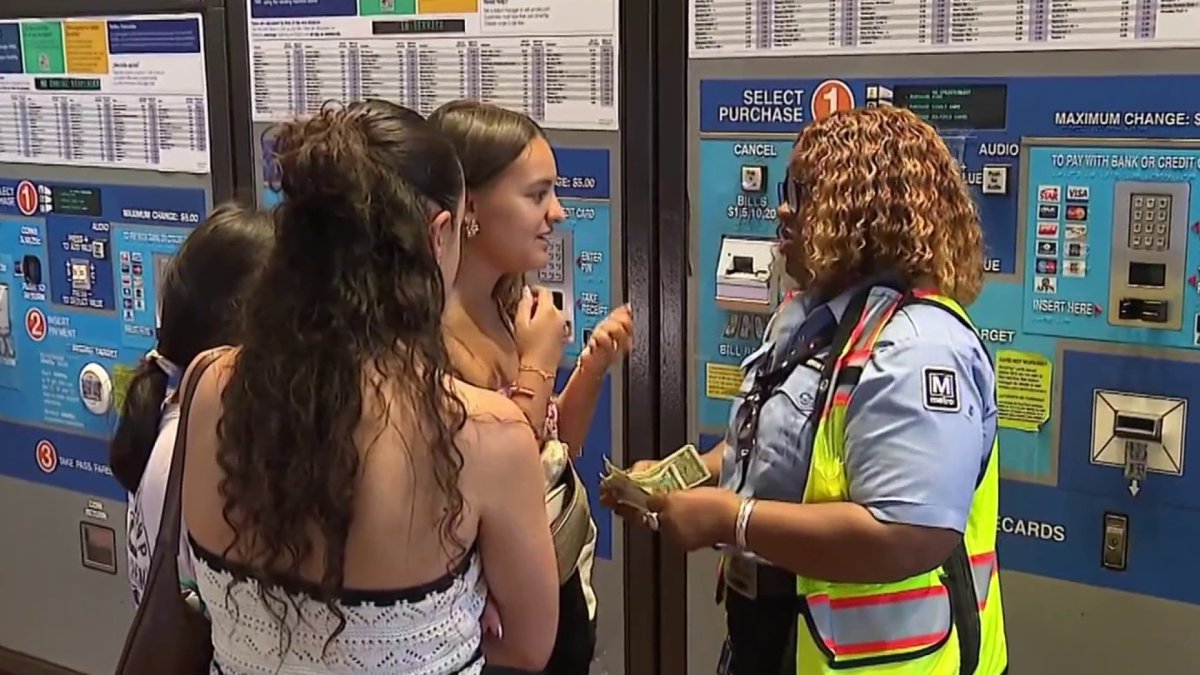
The Washington Metropolitan Area Transit Authority (WMATA) has finalized a contract worth nearly $40 million to replace its aging fleet of fare vending machines with modernized customer terminals. The initiative aims to upgrade technology that in some instances dates back to the 1970s, transitioning to a system capable of smartphone payments and multilingual support across all 98 rail stations, according to official agency procurement records.
As the primary transit provider for the nation’s capital, Metro’s decision to overhaul its ticketing infrastructure addresses long-standing rider complaints regarding the complexity of existing machines. The project, awarded to the Indra Group, is designed to streamline the SmarTrip card loading process and reduce the frequency of user errors that often require station attendant intervention. The initial contract value is set at approximately $39.5 million, with provisions that could see the total investment rise to $75 million as the project scales, as reported by the Washington Post.
Replacing Infrastructure from the 1970s
The current fare collection hardware has been a source of operational strain for years. Many of the components presently in use are legacy systems that have exceeded their intended service life, leading to increased maintenance costs and frequent mechanical failures. By replacing these units, Metro officials expect to reduce downtime and improve the overall reliability of the transit experience for millions of annual riders.
The new terminals will feature large, high-resolution touchscreens intended to mimic the interface of contemporary mobile devices. Indra Group CEO Jose Jacinto Monge described the hardware as being essentially a “giant iPhone,” emphasizing that the user experience will be intuitive, minimizing the learning curve for both daily commuters and tourists unfamiliar with the D.C. transit system. The upgraded systems will provide information in 15 different languages, a significant expansion from the current capabilities of the existing machines.
Integration of Modern Payment Technologies
A central feature of the new terminals is the inclusion of contactless payment options, including mobile wallet integration. This shift aligns with broader industry trends toward digital ticketing, reducing the reliance on physical magnetic stripe cards and paper receipts. By allowing riders to use smartphone payments directly at the machines, Metro aims to decrease the time spent at fare gates and improve passenger flow during peak commuting hours.

According to project timelines, the manufacturing of the new units is already underway. While the rollout is expected to begin in approximately one year, the phased implementation across all 98 stations will require careful coordination to ensure continuous service for passengers. The transition will be monitored by WMATA’s capital improvement team to ensure that the new software integrates seamlessly with the existing SmarTrip backend, which serves as the backbone for fare calculation and account management across the system.
Project Scope and Financial Oversight
The contract with Indra Group covers the design, supply, and ongoing maintenance of up to 450 new terminals. This figure accounts for the current station layout, providing enough capacity to replace all legacy machines and potentially add redundant units in high-traffic stations to prevent bottlenecks. The financial structure of the deal includes a base award of nearly $40 million, with the potential for the contract to reach $75 million depending on the scope of maintenance requirements and additional hardware installations over the life of the agreement.

As the agency moves forward, riders can expect periodic updates regarding the installation schedule at their local stations. Metro has indicated that these upgrades are a component of a larger effort to modernize the agency’s physical assets and improve the digital accessibility of its services. For those interested in tracking the progress of these station improvements, Metro provides regular updates through its Board of Directors meeting materials and official project status reports.
The next phase of the project involves the testing of prototype units in a controlled environment before the first wave of installations begins. Commuters are encouraged to share their feedback on the new interface once pilot programs launch at select stations, as the agency continues its transition toward a more modern, user-friendly transit network.