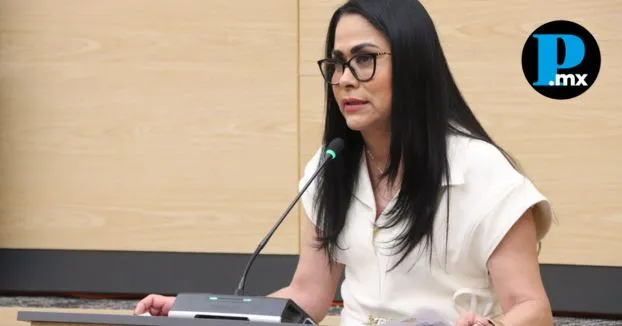
Puebla, Mexico is considering landmark legislation aimed at protecting vulnerable young women and girls, addressing issues ranging from recognizing adolescent pregnancy as a form of violence to ensuring access to menstrual health resources. Recent proposals before the state congress signal a growing commitment to women’s rights and public health, tackling deeply rooted societal challenges with a multi-faceted approach. These initiatives, spearheaded by several female legislators, reflect a broader movement to address systemic inequalities and improve the well-being of women and girls across the state.
At the heart of these efforts is a proposal by Deputy Fedrha Isabel Suriano Corrales to formally recognize adolescent pregnancy as a manifestation of structural violence. This crucial shift in perspective aims to move beyond viewing teenage pregnancy solely as a social issue and instead acknowledge it as a violation of fundamental human rights. The initiative seeks to mandate comprehensive action from state health and education authorities, guaranteeing access to free and confidential sexual and reproductive health services, including contraception, with a strong emphasis on prevention. Recognizing the significant barriers faced by pregnant adolescents, the proposal also prioritizes ensuring their continued education through flexible academic arrangements and support programs designed to prevent school dropout. What we have is a critical step, as early motherhood often interrupts educational opportunities and perpetuates cycles of poverty.
Addressing Violence and Protecting Educational Access
The proposed legislation builds on existing frameworks for protecting women and girls, aiming to strengthen the legal response to cases where pregnancy results from criminal acts. Specifically, the initiative proposes amendments to the State Law for Access of Women to a Life Free of Violence and revisions to articles within the state’s penal code. As reported by the Congress of Puebla, the proposed changes will be sent to the Commission of Procurement and Administration of Justice for analysis. This move underscores a commitment to treating adolescent pregnancy not merely as a health concern, but as a serious violation of rights requiring a robust legal and social response.
Beyond addressing the circumstances surrounding pregnancy, the legislative agenda also focuses on supporting women facing other health challenges. Deputy Celia Bonaga Ruiz has proposed reforms to recognize the denial of sick leave or academic accommodations for women suffering from severe endometriosis or debilitating dysmenorrhea as a form of workplace and academic violence. This acknowledges the significant impact these conditions can have on a woman’s ability to participate fully in education and employment, and seeks to protect their rights to reasonable accommodations. Endometriosis, a condition where tissue similar to the lining of the uterus grows outside of it, affects an estimated 10% of women globally, causing chronic pain and infertility. The Endometriosis Foundation of America provides further information on this often-debilitating condition.
Recognizing Menstrual Health as a Public Health Issue
Further expanding the scope of women’s health protections, Deputy María Soledad Amieva Zamora has put forward an initiative to formally recognize menstrual health as an essential component of overall physical and mental well-being within the state’s health law. This seemingly simple step carries significant weight, as it destigmatizes menstruation and acknowledges the need for accessible resources and support for managing menstrual health. This includes addressing issues like period poverty – the lack of access to sanitary products – and ensuring that schools and workplaces are equipped to provide adequate facilities and support for menstruating individuals.
The recognition of menstrual health as a public health issue is gaining momentum globally. Organizations like Menstrual Health Hub are advocating for policies and programs that address the challenges faced by menstruators worldwide. This initiative in Puebla aligns with this growing international movement, demonstrating a commitment to gender equality and reproductive health.
A Diverse Legislative Agenda for Puebla
The legislative session in Puebla has also seen proposals addressing a range of other important issues, demonstrating a broad commitment to social progress and sustainability. Deputy José Luis Figueroa has championed the creation of adapted sports programs at the State University of Sport, promoting inclusivity and accessibility for athletes with disabilities. Legislators Elpidio Díaz and Azucena Rosas are advocating for increased use of renewable energy sources in municipalities and the adoption of inclusive language in the Civil Code to protect the rights of people with disabilities. These initiatives highlight a commitment to environmental sustainability and social inclusion.
In the realm of justice and animal welfare, Deputies Elías Lozada and Leonela Martínez have proposed a lifetime ban on pet ownership for individuals convicted of animal abuse. This reflects a growing awareness of the importance of animal rights and the need to protect vulnerable animals from cruelty. Adjustments to the 2026 Revenue Law are being considered to streamline the process of obtaining driver’s licenses at affordable rates, and reforms are underway to formalize labor arrangements within correctional facilities, ensuring fair working conditions for inmates.
All of these initiatives have been referred to their respective committees for further analysis and deliberation, reaffirming the legislature’s dedication to a comprehensive social agenda. The coming weeks will be crucial as these proposals are debated and potentially enacted into law, shaping the future of women’s rights, public health, and social justice in Puebla.
The legislative process is ongoing, and the proposals are currently under review by the relevant committees. A timeline for further debate and potential voting has not yet been announced. Citizens interested in following the progress of these initiatives can monitor the Congress of Puebla’s website for updates.
This wave of legislative proposals in Puebla represents a significant step towards creating a more equitable and just society for all its citizens. By addressing issues ranging from adolescent pregnancy and menstrual health to disability rights and animal welfare, the state legislature is demonstrating a commitment to tackling complex challenges with a comprehensive and forward-thinking approach. The outcome of these debates will undoubtedly have a lasting impact on the lives of countless individuals and families across Puebla.
What are your thoughts on these proposed legislative changes? Share your comments below, and let’s continue the conversation about women’s rights, public health, and social justice.
Worth a look
- Bacterial Vaginosis (BV) and STIs: Why They Often Occur Together
- Whey Protein and Resistance Training: The Best Combination to Maintain Muscle Mass After 50
- FDA Approves Groundbreaking mRNA Vaccine Booster for Adults 50+, Boosting Immunity and Protecting Against Chronic Health Risks (archyworldys.com)
- Mafia Concerns in Partinico: Return of Leonardo Vitale Sparks Fear of Past Violence (archynewsy.com)