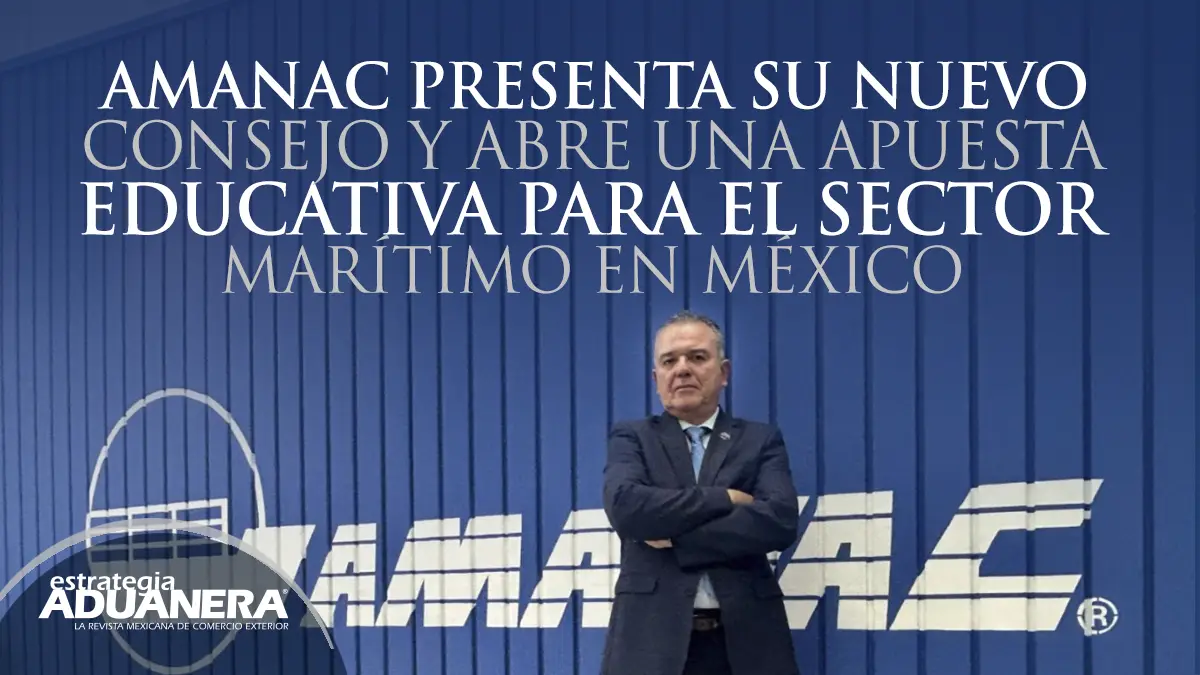
The Asociación Mexicana de Agentes Navieros (AMANAC) has officially inaugurated its new board of directors for the 2026–2028 term, marking a pivotal transition in leadership for one of the most influential entities in Mexico’s maritime logistics sector. This leadership renewal arrives at a critical juncture for the industry, as the organization seeks to harmonize operational efficiency with evolving global sustainability standards and the increasing demands of international maritime trade.
As the primary representative body for shipping agents in the region, AMANAC plays a fundamental role in facilitating the movement of goods through Mexico’s major ports. The appointment of the new board is widely viewed as a strategic move to reinforce the association’s role as a bridge between private sector logistics providers and federal regulatory bodies. The Asociación Mexicana de Agentes Navieros serves as a cornerstone for ensuring that maritime operations comply with both national legal frameworks and international safety protocols.
Strategic Priorities for the 2026–2028 Term
The newly installed council has signaled a clear intent to prioritize educational initiatives aimed at professionalizing the maritime sector. By focusing on specialized training, AMANAC aims to address the growing complexity of global supply chains and the technological shifts currently redefining how shipping agents operate. This focus on human capital development is intended to ensure that the Mexican maritime workforce remains competitive on the global stage, capable of navigating the technical and regulatory challenges of the next decade.
Beyond education, the association remains committed to advocating for infrastructure improvements within Mexico’s port system. The sector has faced significant pressure in recent years to modernize, particularly in response to the volatility of global trade routes and the need for more resilient logistics networks. Through its collaboration with government agencies, the board is expected to continue its work on streamlining customs procedures and digitizing administrative processes to reduce dwell times for cargo vessels.
The Evolving Landscape of Maritime Logistics
The maritime industry is currently navigating a period of unprecedented transformation. As highlighted by international regulatory bodies, the push toward decarbonization and the adoption of advanced maritime technologies are no longer optional. For an organization like AMANAC, the challenge lies in guiding its members through these transitions while maintaining the economic viability of shipping operations. The International Maritime Organization (IMO) continues to set the standard for safety and environmental protection, providing the global benchmarks that national associations must integrate into their local operational strategies.
The role of the shipping agent has expanded significantly, moving from traditional logistical oversight to a more consultative position that involves complex legal, environmental, and technological compliance. With the 2026–2028 council now in place, AMANAC is positioning itself to lead this transition, ensuring that Mexican shipping agents are equipped to handle the requirements of a greener and more digitized maritime future.
Key Focus Areas for the New Board
- Educational Advancement: Implementing comprehensive training programs to enhance the technical proficiency of industry professionals.
- Regulatory Alignment: Strengthening cooperation with national authorities to ensure that port operations remain compliant with international safety and security standards.
- Operational Efficiency: Advocating for the modernization of port infrastructure and the adoption of digital tools to improve logistics throughput.
- Sustainability Initiatives: Promoting best practices that align with global efforts to reduce the environmental footprint of maritime transport.
Looking Ahead: Shaping the Future of Trade
The transition to the new board comes at a time when the maritime industry is under increased scrutiny regarding its role in global supply chain stability. By fostering a culture of continuous improvement and professional development, AMANAC aims to solidify its position as the leading voice for maritime agents in Mexico. Readers and industry stakeholders can expect further updates on the association’s specific policy proposals and training schedules through their official communication channels.
As the organization moves forward with its 2026–2028 agenda, the focus will remain on the intersection of technological innovation and regulatory excellence. The success of these initiatives will be measured by the association’s ability to drive consensus among its members and effectively communicate their needs to policymakers. For those involved in the maritime and logistics sectors, the coming months will be crucial as the new council begins to implement its long-term strategic vision.
For more information on the association’s upcoming events, educational workshops, and policy updates, interested parties are encouraged to monitor official announcements from the AMANAC portal. We invite our readers to join the conversation below regarding the challenges and opportunities facing the maritime sector in the years ahead.
Worth a look