
The Mexican peso experienced a sharp decline against the U.S. Dollar during Friday’s trading session, reacting to a robust labor market report from the United States that recalibrated investor expectations regarding monetary policy. As markets digested the latest employment figures, the local currency faced immediate downward pressure, reflecting the sensitivity of emerging market assets to shifts in Federal Reserve interest rate projections.
For global investors, the movement of the peso is often viewed as a bellwether for sentiment toward Latin American economies. The recent volatility underscores the ongoing influence of U.S. Macroeconomic indicators on global currency valuations, particularly as the Federal Reserve balances the fight against inflation with the desire to maintain economic stability. According to data from the U.S. Bureau of Labor Statistics, payroll employment rose by 272,000 in May, a figure that exceeded analyst expectations and signaled continued resilience in the American workforce.
Market Reaction and Economic Context
The strengthening of the U.S. Dollar, often measured against a basket of major currencies via the U.S. Dollar Index, creates a challenging environment for the peso. When U.S. Labor data suggests a “hot” economy, the market often prices in a higher probability that the Federal Reserve will maintain elevated interest rates for a longer duration. This “higher-for-longer” narrative tends to attract capital toward dollar-denominated assets, thereby weighing on currencies like the Mexican peso.
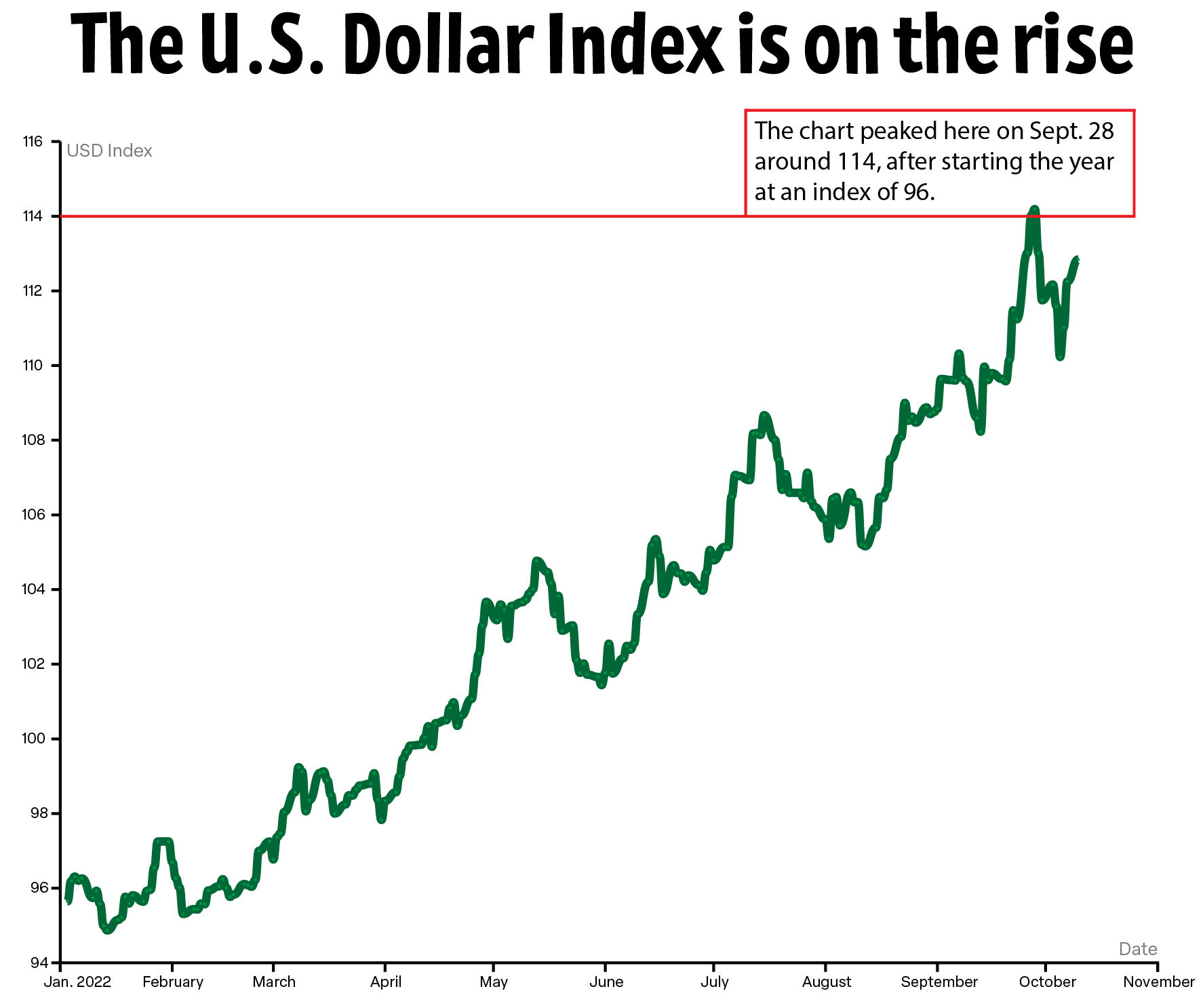
Financial analysts monitor these trends closely, as the interest rate differential between Mexico and the United States is a primary driver of the “carry trade.” In this strategy, investors borrow in currencies with lower yields to invest in assets with higher yields, such as those offered by the Banco de México. When U.S. Yields rise, the incentive for this trade can shift, leading to capital outflows from emerging markets.
Understanding the Employment Data Impact
The May employment report provided several key metrics that influenced market participants on Friday:

- Non-farm payroll growth: The addition of 272,000 jobs surpassed the consensus estimates of many Wall Street economists.
- Wage growth: Average hourly earnings rose by 0.4% for the month, contributing to a 4.1% increase over the 12 months ending in May, as reported by the Department of Labor.
- Unemployment rate: The rate edged up to 4.0%, a marginal change that still reflects a historically tight labor market.
These figures suggest that the U.S. Economy is not cooling as rapidly as some had hoped, which complicates the outlook for potential interest rate cuts. For the Mexican peso, which has enjoyed periods of strength due to its high relative interest rates, the potential for a sustained period of elevated U.S. Rates represents a significant headwind.
What Lies Ahead for Investors
Market participants are now turning their attention toward the next Federal Open Market Committee (FOMC) meeting. The central bank’s communication regarding its “dot plot”—a chart representing the committee members’ expectations for future interest rates—will be critical in determining the trajectory of the currency markets in the coming weeks. Investors are advised to monitor official statements from the Federal Reserve for guidance on how these labor figures will influence the timing of future policy adjustments.

While the immediate reaction of the peso was one of depreciation, long-term investors often look beyond single-day volatility. Factors such as nearshoring trends, Mexico’s fiscal policy and trade relations under the USMCA remain foundational elements of the peso’s valuation. However, in the short term, the correlation between U.S. Economic vigor and the strength of the dollar remains the dominant theme for currency traders.
As we move into the next week, markets will likely remain sensitive to any commentary from regional Fed presidents and incoming inflation data, which will serve as the next major checkpoint for establishing market direction. We will continue to track these developments as they unfold.
What are your thoughts on the impact of U.S. Labor data on global emerging markets? Share your analysis in the comments below, and be sure to share this update with your professional network.
Related reading