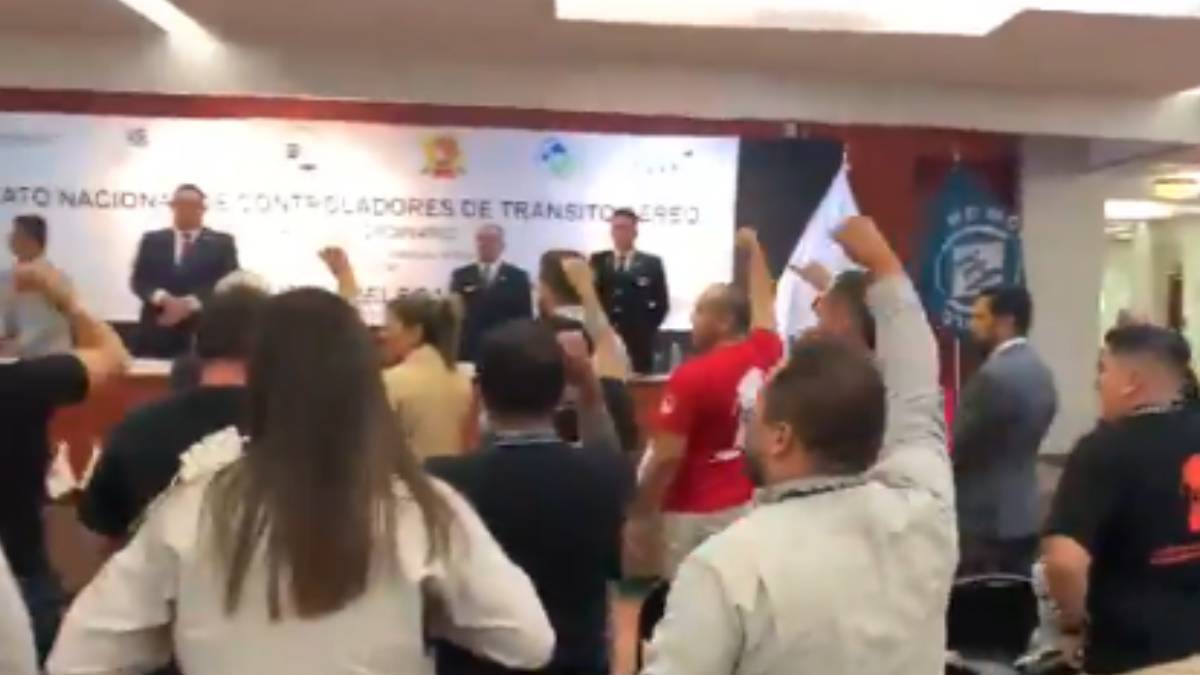
Mexico Air Traffic Controllers Threaten Strike Ahead of 2026 World Cup: What Would Happen to Flights?
Mexico’s air traffic controllers are escalating labor disputes with a threatened strike just weeks before the country prepares to host the 2026 FIFA World Cup, raising serious concerns about flight disruptions and the country’s ability to manage the influx of international visitors. The Sindicato Nacional de Controladores de Tránsito Aéreo (SINACTA), the union representing Mexico’s air traffic controllers, has declared a permanent assembly to protest what it calls “critical working conditions,” including understaffing, unsafe workloads, and inadequate infrastructure at major airports.
The union’s actions come as Mexico gears up to welcome an estimated 2.5 million international visitors during the World Cup, which runs from June 11 to July 1, 2026. Air traffic control is a critical component of the event’s logistics, with Mexico’s Secretaría de Comunicaciones y Transportes (SCT) responsible for ensuring safe operations across the country’s busiest airports, including Mexico City’s Benito Juárez International Airport and Guadalajara’s Don Miguel Hidalgo y Costilla International Airport.
While the union has not yet announced a specific date for a strike, its threats have sent shockwaves through Mexico’s aviation industry and government. Airline executives, travel agencies, and even FIFA officials are monitoring the situation closely, as any disruption in air traffic control could have cascading effects on flights, ground operations, and the overall World Cup experience.
Why Are Air Traffic Controllers Threatening a Strike?
SINACTA’s demands center on three key issues:
- Chronic understaffing: The union claims that Mexico’s air traffic control system is operating with fewer controllers than required, leading to increased workloads and fatigue among existing staff.
- Outdated infrastructure: Many of Mexico’s air traffic control towers and radar systems are reportedly outdated, particularly at airports expected to handle the bulk of World Cup-related traffic.
- Safety concerns: Controllers have raised alarms about near-misses and operational errors they attribute to the strain of working in undersupported conditions.
According to internal documents obtained by Reforma, SINACTA has formally requested meetings with the SCT to discuss these issues, but negotiations have stalled. The union’s decision to escalate to a threatened strike reflects frustration over what it describes as a lack of progress in resolving these long-standing problems.
In a statement to Infobae, a SCT spokesperson acknowledged the union’s concerns but emphasized the government’s commitment to ensuring safe operations during the World Cup. “We are working closely with SINACTA to address their concerns and will not tolerate any actions that could jeopardize the safety of air travel in Mexico,” the spokesperson said.
What Would Happen If Controllers Strike?
A strike by air traffic controllers would have severe consequences for Mexico’s aviation network. Unlike other labor disputes in the transportation sector, air traffic control is a highly specialized and critical function that cannot be easily replaced. Here’s what could unfold:
- Grounding of flights: Without controllers, commercial flights would be unable to take off or land, leading to immediate cancellations and delays. Airports could be forced to close temporarily, stranding passengers and disrupting travel plans.
- Military backup: In past disputes, Mexico has relied on the military to provide temporary air traffic control services. However, this is a stopgap measure that cannot sustain normal operations for an extended period.
- Economic impact: The tourism and business sectors would suffer significant losses, particularly as the World Cup approaches. Airlines could face millions in losses, and travelers—including fans attending the tournament—could be stranded.
- Safety risks: Even partial disruptions could lead to dangerous situations in the air, including mid-air conflicts or controllers being overwhelmed by traffic.
In 2018, a similar dispute between SINACTA and the Mexican government led to a 48-hour strike that grounded flights and caused chaos at airports nationwide. The situation was resolved after the government agreed to negotiate with the union, but the memory of that disruption looms large as the World Cup deadline approaches.
How Is the Government Responding?
The Mexican government has not yet publicly confirmed whether it will engage in direct negotiations with SINACTA, but officials have indicated a willingness to discuss the union’s concerns. President Claudia Sheinbaum‘s administration has made ensuring a smooth World Cup a priority, and any labor disruption could undermine that goal.
Key developments to watch:
- Whether the SCT will agree to emergency meetings with SINACTA to avert a strike.
- If the military will be deployed to provide backup air traffic control services.
- How airlines and airports are preparing contingency plans for potential disruptions.
- Whether FIFA will intervene diplomatically to resolve the dispute.
In a recent interview with El Universal, an anonymous aviation industry source suggested that the government may be exploring temporary solutions, such as hiring foreign controllers or deploying additional military personnel, to mitigate the risk of a strike. However, such measures would come with their own challenges, including language barriers and logistical hurdles.
What Are Airlines and Travelers Saying?
Major airlines operating in Mexico have remained tight-lipped about their contingency plans, but industry insiders suggest that carriers are already preparing for potential disruptions. Some airlines have reportedly begun rerouting flights to alternate airports in Central America to avoid Mexico’s busiest hubs if necessary.
Travelers, including World Cup attendees, are understandably concerned. While airlines have not yet issued formal advisories, some travel agencies have begun recommending that customers purchase flexible tickets and travel insurance to account for potential delays. The International Air Transport Association (IATA) has also issued a statement urging airlines to monitor the situation closely and prepare for possible operational adjustments.
For fans traveling to Mexico for the World Cup, the uncertainty is adding stress to an already complex planning process. Many are now considering alternative travel routes or booking additional days of accommodation to account for potential delays.
Key Takeaways
- Strike risk: SINACTA has threatened a strike over “critical” working conditions, though no date has been set.
- World Cup impact: Disruptions could strangle Mexico’s ability to host the tournament, affecting flights, ground operations, and visitor access.
- Government stance: The SCT has acknowledged the union’s concerns but has not yet confirmed direct negotiations.
- Military backup: Past disputes have relied on military controllers, but this is not a long-term solution.
- Traveler advice: Airlines and agencies recommend flexible bookings and travel insurance for World Cup attendees.
- Economic stakes: A strike could cost airlines millions and disrupt tourism, with ripple effects across Mexico’s economy.
What Happens Next?
The next critical checkpoint will be the outcome of any potential emergency negotiations between SINACTA and the SCT. If no resolution is reached, the union has indicated it will proceed with a strike action. The Mexican government is expected to release an official statement on its position within the next 48 hours, and airlines will likely follow with updates on their contingency plans.
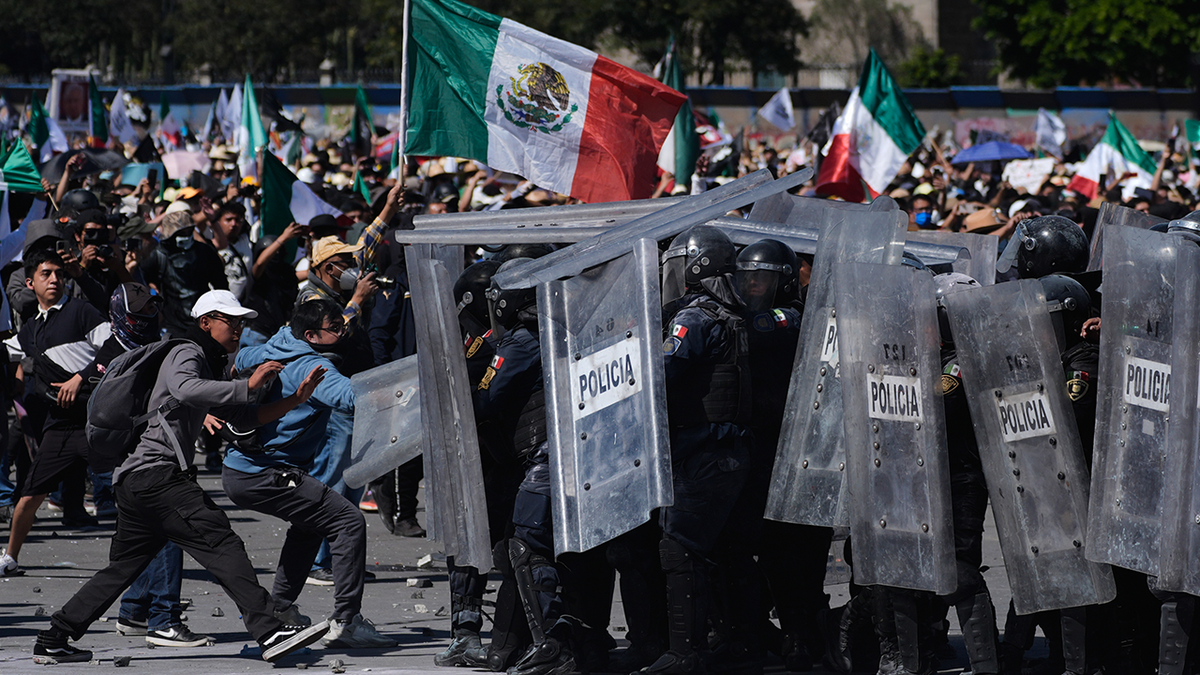
For now, travelers and industry watchers are left in limbo, with the hope that common ground can be found before the situation escalates further. As the World Cup draws nearer, the pressure on both sides to avoid a disruption will only intensify.
We will continue to monitor this developing story and provide updates as new information becomes available. In the meantime, we encourage readers to check official sources for the latest advisories:
Share your thoughts: Are you traveling to Mexico for the World Cup? How are you preparing for potential disruptions? Join the conversation in the comments below.
- Villeurbanne Pollen Forecast: Accurate Allergy Updates from MSN Weather
- Democratic Party Divided: Progressive Surge and the Battle for the Senate
- Roman Reigns to Defend World Heavyweight Title in Mexico City on Sept 14 (time.news)
- DRC Ebola Health Workers Strike Over Unpaid Wages Amid Outbreak (archyworldys.com)