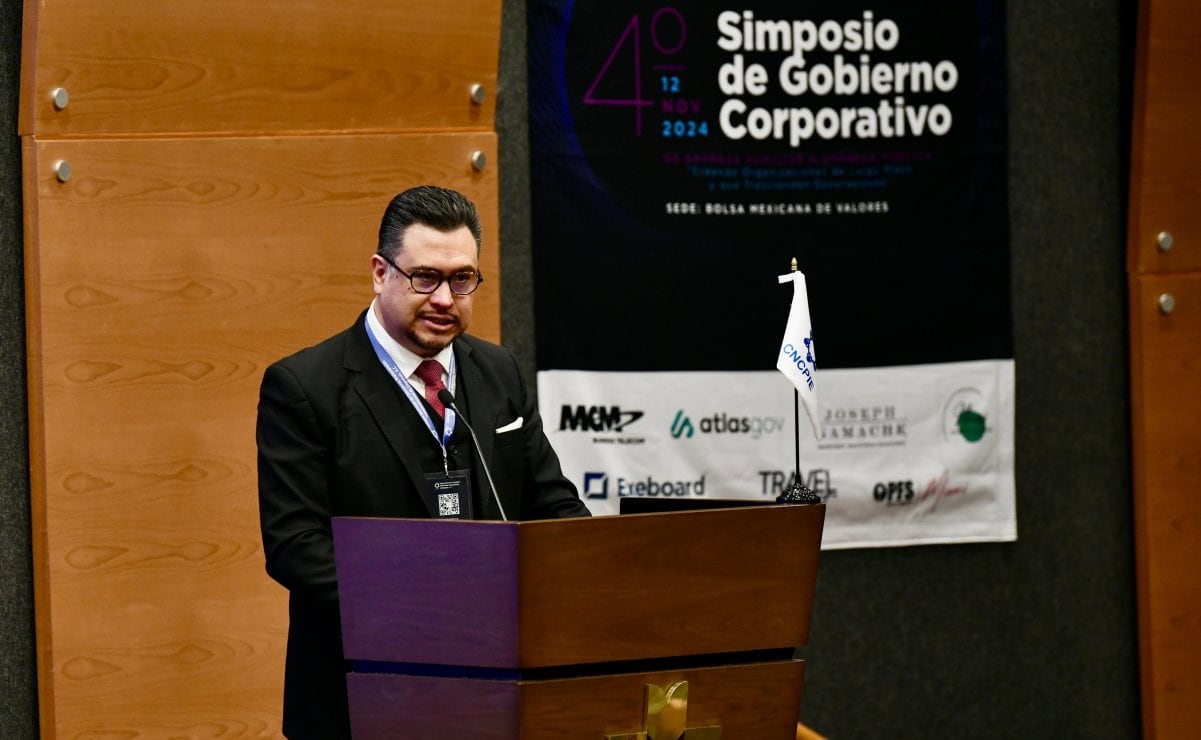
Mexico’s Banking Regulator Poised to Accelerate Licensing Approvals
Cancún, Mexico – Expectations are mounting that Ángel Cabrera, President of the National Banking and Securities Commission (CNBV) of Mexico, will expedite the approval process for several key financial institutions during the 89th Banking Convention in Cancún this week. The potential green light for Brazilian digital bank Nu and Argentine fintech Mercado Pago to operate as multiple banks in Mexico signals a shift towards a more dynamic and competitive financial landscape. This comes as the CNBV faces a substantial backlog of pending applications and seeks to foster innovation within the sector. The convention, a major event for the Mexican banking industry, provides a platform for Cabrera to outline his vision for the future of financial regulation in the country.
Cabrera, who assumed his role in late 2023, has reportedly been well-received by the banking sector, demonstrating a willingness to collaborate on regulatory proposals. This collaborative approach contrasts with previous administrations and suggests a more open dialogue between the regulator and the industry. The CNBV’s move to potentially approve Nu and Mercado Pago is seen as a positive step towards attracting foreign investment and expanding financial inclusion, particularly in a country where a significant portion of the population remains unbanked. The timing of these potential approvals is particularly noteworthy, as Mexico continues to modernize its financial infrastructure and embrace digital technologies.
Nu and Mercado Pago: Expanding Financial Access in Mexico
Nu, a leading digital bank in Latin America, has been aggressively expanding its presence throughout the region. Its potential entry into the Mexican market represents a significant opportunity to disrupt the traditional banking sector with its innovative products and customer-centric approach. Founded in Brazil in 2013, Nu boasts over 90 million customers and has become known for its fee-free accounts and user-friendly mobile app. Dinero en Imagen reports that the incorporation of Mercado Pago has already influenced the regulatory landscape, introducing a substantial network of point-of-sale terminals.
Mercado Pago, the financial arm of e-commerce giant Mercado Libre, already has a strong foothold in Mexico’s digital payments ecosystem. Its potential banking license would allow it to offer a wider range of financial services, including loans and investments, directly to its millions of users. The company’s extensive experience in digital payments and its deep understanding of the Mexican market position it as a formidable competitor to traditional banks. The potential approval of Mercado Pago’s license is expected to further accelerate the adoption of digital financial services in Mexico, particularly among small and medium-sized enterprises (SMEs).
Regulatory Hurdles and the Push for Digital Payments
The CNBV’s potential move to expedite licensing approvals comes amid broader efforts to modernize Mexico’s financial regulations and promote the adoption of digital payments. A key initiative is the development of a “Redes de Medios de Disposición” (Networks of Payment Methods) project, aimed at enabling micro and small businesses to accept electronic payments through credit cards, debit cards and other digital channels. As reported by Dinero en Imagen, initial concerns from banks regarding potential price controls have been addressed through discussions with CNBV President Ángel Cabrera and Victoria Rodríguez, Governor of the Bank of Mexico, leading to a revised approach.
The project aims to reduce reliance on cash transactions, which are still prevalent in Mexico, and to promote financial inclusion by providing more businesses with access to electronic payment infrastructure. However, the implementation of the project has faced challenges, including concerns from banks about potential regulatory overreach. The CNBV is working closely with the Association of Banks of Mexico to address these concerns and to develop a framework that is mutually beneficial for all stakeholders. The goal is to create a robust and efficient digital payments ecosystem that supports economic growth and innovation.
Beyond Banking: Addressing Transportation and Automotive Reporting
While the focus is on financial regulation, the CNBV’s broader regulatory environment intersects with other sectors. The source material also touches upon unrelated issues, highlighting the complexity of Mexico’s regulatory landscape. In 2016, the now-defunct Federal Competition Commission (Cofece) recommended changes to taxi regulations at Mexican airports, advocating for open access rather than exclusive or limited concessions. This recommendation, however, has reportedly not been implemented, leading to continued high fares and inefficiencies. Similarly, discussions are underway regarding how automotive companies like Tesla, BYD, and GAC should report sales figures to the National Institute of Statistics and Geography (Inegi).
Electro Movilidad Asociación proposes using the Public Vehicle Registry (Repuve), vehicle invoicing, or vehicle registration as reporting mechanisms, aligning with practices in South American countries like Brazil. The Mexican Association of Automotive Distributors (AMDA) supports the registration proposal, emphasizing the importance of a functioning Repuve system for tracking vehicle status and preventing theft. These seemingly disparate issues underscore the CNBV’s role as a key player in shaping Mexico’s economic and regulatory environment.
Looking Ahead: The 89th Banking Convention and Beyond
All eyes are now on Ángel Cabrera as he prepares to address the banking industry at the 89th Banking Convention in Cancún. The convention provides a crucial opportunity for Cabrera to articulate his vision for the CNBV and to build consensus around key regulatory initiatives. The potential approval of licenses for Nu and Mercado Pago would be a significant milestone, signaling a commitment to fostering innovation and competition in the Mexican financial sector. However, the CNBV also faces numerous other challenges, including ensuring financial stability, protecting consumers, and combating financial crime.
The CNBV’s success in navigating these challenges will be critical to Mexico’s economic future. The agency’s ability to adapt to the rapidly evolving financial landscape and to embrace new technologies will be essential for maintaining its relevance and effectiveness. The coming months will be a crucial period for the CNBV as it seeks to implement its regulatory agenda and to position Mexico as a leading financial center in Latin America. The next key checkpoint will be the official announcements following the conclusion of the 89th Banking Convention, where details regarding licensing approvals and regulatory changes are expected to be unveiled.
What are your thoughts on the potential entry of Nu and Mercado Pago into the Mexican market? Share your comments below and let us know how you think these developments will impact the future of finance in Mexico.
Keep reading