Cartel Violence Disrupts Life in Puerto Vallarta, Jalisco
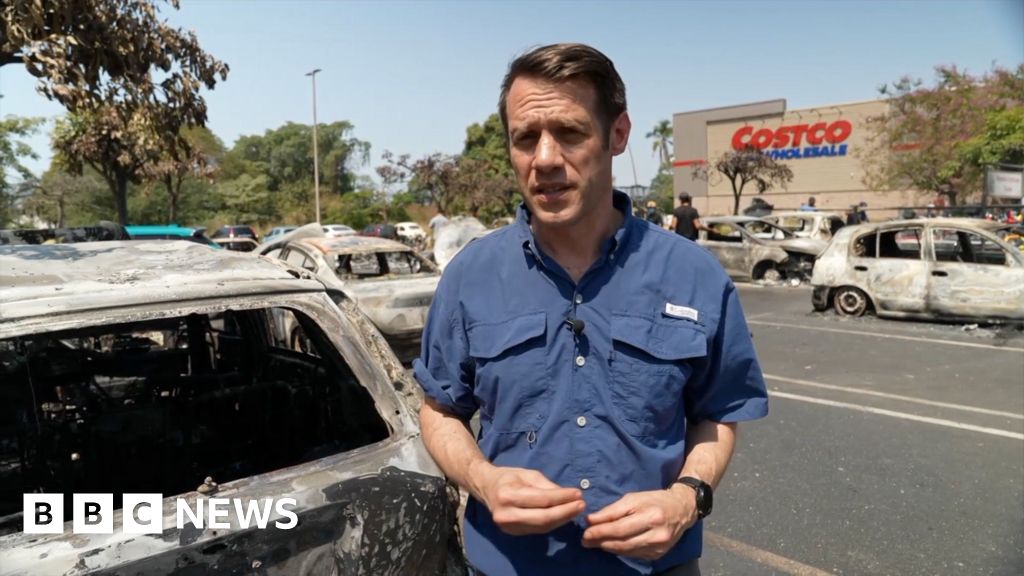
The aftermath of a weekend of intense cartel activity is still visible in the popular Mexican resort city of Puerto Vallarta, Jalisco. Evidence of the violence, including numerous burnt vehicles, remains as the city works to restore a sense of normalcy following a surge in criminal activity that trapped tourists and disrupted daily life. The events underscore the ongoing challenges Mexico faces in combating organized crime and ensuring the safety of both residents, and visitors.
The recent unrest prompted a visible security response, with increased patrols and checkpoints established throughout the city. While authorities have not released a comprehensive account of the events, reports indicate a coordinated series of attacks and arson incidents carried out by members of the Jalisco New Generation Cartel (CJNG). The cartel’s actions appear to have been aimed at intimidating rivals and asserting control over key areas within Puerto Vallarta, a strategically important location for tourism and illicit activities. The situation highlights the complex interplay between tourism, economic interests, and organized crime in Mexico’s coastal regions.
Tourists who found themselves caught in the crossfire have begun to depart, utilizing Puerto Vallarta’s international airport to return home. The disruption to travel plans and the unsettling experience have raised concerns about the safety and security of the destination, potentially impacting the region’s vital tourism industry. The Mexican government is under pressure to address the root causes of the violence and implement effective strategies to protect citizens and maintain the economic stability of areas reliant on tourism.
The Scope of the Violence: Burnt Cars and City-Wide Disruption
The most visible sign of the weekend’s violence is the presence of numerous burnt-out vehicles, particularly in Costco parking lots. Images circulating online and reported by news outlets show rows of charred cars, a stark reminder of the cartel’s brazen tactics. Puerto Vallarta News reports that Costco has since reopened with regular hours, signaling a return to some semblance of normalcy, but the psychological impact of the events remains.
Beyond the visible damage to vehicles, the cartel’s actions caused widespread disruption throughout the city. Roadblocks were reported, hindering movement and creating a climate of fear. Businesses were forced to close, and residents were advised to stay indoors. The coordinated nature of the attacks suggests a high degree of planning and organization within the CJNG, raising questions about the cartel’s capabilities and its influence within the region. The economic consequences of the disruption are likely to be significant, particularly for businesses that rely on tourism.
CJNG and the Escalation of Violence in Jalisco
The Jalisco New Generation Cartel has emerged as one of Mexico’s most powerful and violent criminal organizations. Founded in the late 2000s, the CJNG has rapidly expanded its influence through a combination of ruthless violence, strategic alliances, and sophisticated criminal enterprises. The cartel is involved in a wide range of illicit activities, including drug trafficking, extortion, kidnapping, and illegal mining. Its control over key transportation routes and its ability to challenge the authority of the state have made it a formidable force in Mexico’s criminal landscape.
Jalisco state, where Puerto Vallarta is located, has grow a focal point of the CJNG’s operations. The cartel has engaged in numerous clashes with security forces in the state, often employing heavily armed groups and military-grade equipment. These confrontations have resulted in significant casualties and have exacerbated the sense of insecurity among residents. The Mexican government has deployed additional troops and resources to Jalisco in an attempt to contain the cartel’s influence, but the CJNG continues to pose a significant challenge to state authority. Mexico News Daily questioned whether the Costco in Puerto Vallarta burned down, but reports confirm significant damage to vehicles in the parking lot.
The CJNG’s tactics often involve targeting civilian infrastructure and businesses as a means of exerting pressure on the government and intimidating rivals. The attacks in Puerto Vallarta are consistent with this pattern, demonstrating the cartel’s willingness to disrupt daily life and create a climate of fear. The cartel’s motivations are complex, ranging from territorial control to economic gain and the assertion of its power and influence.
Impact on Tourism and the Local Economy
Puerto Vallarta is a major tourist destination, attracting millions of visitors each year. The city’s economy is heavily reliant on tourism, with hotels, restaurants, and other businesses benefiting from the influx of visitors. The recent violence has raised concerns about the potential impact on the tourism industry, with some travelers considering canceling their plans. The Mexican government is working to reassure tourists that Puerto Vallarta remains a safe destination, but the events have undoubtedly damaged the city’s reputation.
The disruption to tourism could have significant economic consequences for Puerto Vallarta and the surrounding region. Job losses are a concern, as are declines in revenue for businesses that rely on tourist spending. The long-term impact will depend on the government’s ability to restore security and rebuild confidence among travelers. Efforts to diversify the local economy and reduce its dependence on tourism may also be necessary to mitigate the risks associated with future security threats.
The events in Puerto Vallarta highlight the broader challenges facing Mexico’s tourism industry. Organized crime poses a significant threat to the safety and security of tourists in several parts of the country. The government must prioritize the protection of tourists and implement effective strategies to combat criminal activity in key tourist destinations. This includes strengthening law enforcement, improving intelligence gathering, and addressing the underlying social and economic factors that contribute to crime.
Looking Ahead: Security Measures and Recovery Efforts
In the wake of the violence, authorities have announced plans to increase security measures in Puerto Vallarta and throughout Jalisco state. These measures include deploying additional troops and police officers, increasing patrols, and establishing checkpoints. The government is also working to improve coordination between different law enforcement agencies and to enhance intelligence gathering capabilities. The effectiveness of these measures remains to be seen, but they represent a commitment to addressing the security challenges facing the region.
Recovery efforts are also underway, with the city government working to repair damaged infrastructure and provide support to businesses and residents affected by the violence. The focus is on restoring a sense of normalcy and rebuilding confidence in the city. However, the long-term recovery will require sustained investment and a comprehensive approach that addresses the root causes of the violence. The Mexican government will need to work closely with local authorities, businesses, and communities to ensure a sustainable and equitable recovery.
The situation in Puerto Vallarta serves as a stark reminder of the ongoing challenges Mexico faces in combating organized crime and ensuring the safety of its citizens and visitors. The CJNG’s continued dominance in Jalisco state and its willingness to employ violence to achieve its goals pose a significant threat to the region’s stability and prosperity. The Mexican government must prioritize security and implement effective strategies to address the root causes of the violence, while also working to protect the tourism industry and support the economic recovery of affected communities. The next official update from the Jalisco state government regarding security deployments is expected on March 5, 2026.
Do you have thoughts on the situation in Puerto Vallarta? Share your comments below, and please share this article with others who may be interested in learning more.
Worth a look