Escalating Violence in Mexico: Cartel Warfare and International Concerns
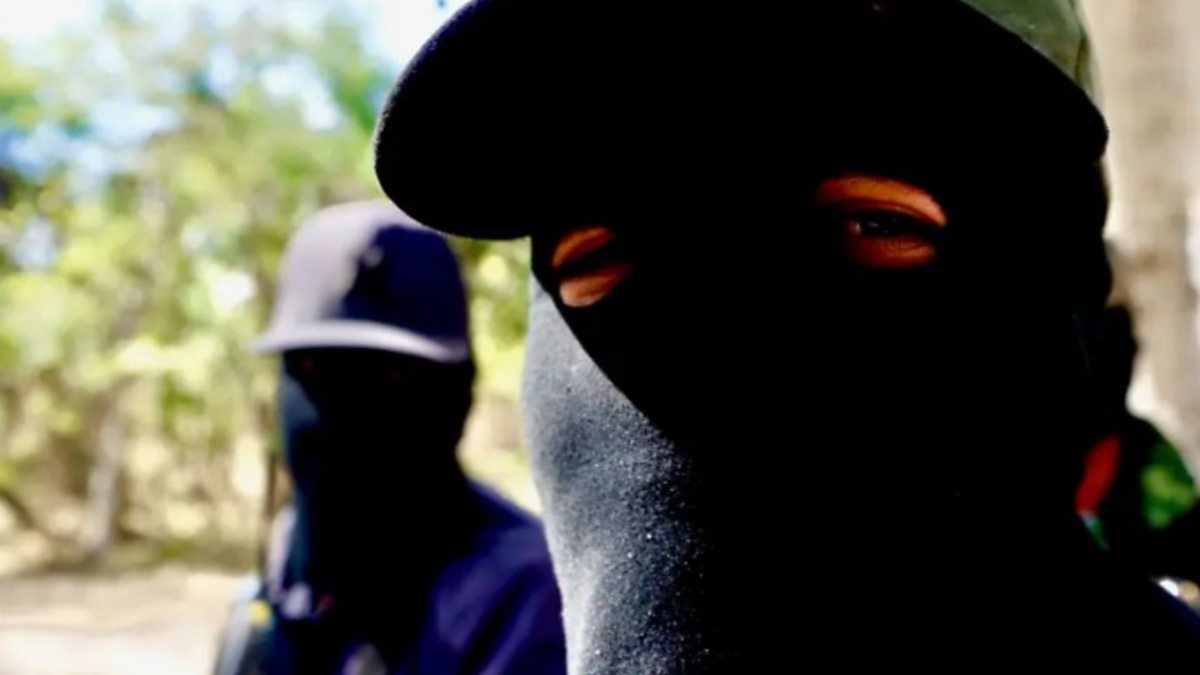
Culiacán, Mexico – A surge in violence gripping the state of Sinaloa, a key region in Mexico’s illicit drug trade, is raising alarm bells both domestically and internationally. Reports indicate a fierce internal conflict within one of the country’s most powerful cartels, creating a climate of fear and instability for residents. This escalating conflict is occurring against a backdrop of broader security challenges in Mexico and is compounded by separate incidents involving international implications, including a deadly encounter between the Cuban Coast Guard and a US-registered vessel. The situation underscores the complex and interconnected nature of security threats in the region, demanding a multifaceted response.
The recent outbreak of violence in Sinaloa is not an isolated incident, but rather a continuation of a long-standing struggle for control of lucrative drug trafficking routes. The Sinaloa Cartel, despite the capture and imprisonment of its former leader Joaquín “El Chapo” Guzmán, remains a significant force in the Mexican drug trade. The current internal strife appears to stem from power struggles following Guzmán’s conviction, with various factions vying for dominance. This fracturing within the cartel has led to increased clashes, not only amongst themselves but also with rival organizations, resulting in a spike in homicides and widespread disruption to daily life. The state capital, Culiacán, has been particularly affected, with residents reporting scenes of intense gun battles and a pervasive sense of insecurity. The ongoing conflict is impacting not only the immediate security of the region, but also the economic stability and social fabric of communities.
Internal Cartel Conflict in Sinaloa: A Deepening Crisis
Recent reports from the field, including observations by journalists like Quentin Sommerville, paint a grim picture of the situation in Culiacán. Sommerville witnessed firsthand the brutal violence that has gripped the city, describing a climate of terror and pain for the local population. While specific details regarding the factions involved and the precise causes of the conflict remain fluid, it is understood that the struggle centers around control of key trafficking routes and the lucrative profits derived from the drug trade. The Mexican government has deployed additional security forces to the region in an attempt to restore order, but the cartels’ deep-rooted presence and sophisticated networks pose a significant challenge to state authority. The ability of these criminal organizations to operate with relative impunity highlights the systemic issues plaguing Mexico’s security apparatus, including corruption and a lack of resources.
The violence extends beyond direct confrontations between cartel members. Collateral damage, including civilian casualties, is a growing concern. Businesses have been forced to close, schools have suspended classes, and residents are increasingly confined to their homes, fearing for their safety. The economic impact of the conflict is substantial, disrupting supply chains and deterring investment. The climate of fear is driving a wave of internal displacement, as people flee their homes in search of safer environments. Addressing the humanitarian consequences of the conflict is a critical priority, requiring a coordinated response from government agencies and humanitarian organizations.
Cuban Coast Guard Incident: Diplomatic Tensions Rise
Adding another layer of complexity to the regional security landscape, Cuba has reported an incident involving its coast guard and a US-registered speedboat. According to Cuban authorities, the coast guard killed four individuals aboard the vessel following an exchange of fire off the Cuban coast. Cuba claims the individuals were Cuban nationals residing in the United States with a history of “violent activity” and alleged “terrorist” intentions. Reuters reported on the incident, detailing the Cuban government’s account.
The incident has sparked a diplomatic row, with US Secretary of State Marco Rubio calling the shootout “highly unusual” and announcing that the United States would conduct its own investigation, independent of the Cuban version of events. NBC News detailed Rubio’s response, emphasizing the need for a thorough and impartial inquiry. The differing accounts and the potential for escalation underscore the fragile relationship between the two countries and the challenges of maritime security in the region. The incident raises questions about the circumstances surrounding the shootout, the identities of those involved, and the potential motivations behind their actions. A comprehensive investigation is crucial to establishing the facts and preventing similar incidents in the future.
Global Health Breakthrough: New HIV Treatment Shows Promise
Shifting focus from security concerns, a significant development in global health offers a beacon of hope. A British clinical trial involving over 500 participants across 15 countries has demonstrated the high effectiveness of a new single-tablet treatment for HIV. The treatment combines two existing antiretroviral drugs into a single pill, simplifying the treatment regimen and improving patient adherence. This breakthrough has the potential to significantly impact the global fight against HIV/AIDS, particularly in resource-limited settings where access to healthcare is often constrained. The results of the trial, while promising, will require further evaluation and regulatory approval before the treatment becomes widely available. However, the initial findings represent a major step forward in the development of more effective and convenient HIV therapies.
Nepal’s Crackdown on Protests: A BBC Eye Investigation
Further afield, an investigation by BBC Eye has revealed disturbing details surrounding a deadly crackdown on protests in Nepal last year. The investigation uncovered evidence that Nepal’s top police officer authorized the use of live fire during the suppression of Gen Z-led demonstrations, considered one of the worst instances of state violence in the country’s history. The findings raise serious concerns about police accountability and the protection of fundamental rights in Nepal. The investigation highlights the importance of independent journalism in uncovering human rights abuses and holding those responsible to account. The revelations are likely to fuel calls for greater transparency and reform within Nepal’s security forces.
Technological Innovation: A Robot Conductor’s Debut
In a lighter vein, the world of technology and the arts recently witnessed an unusual collaboration: a robot conducting Denmark’s National Symphony Orchestra. The performance sparked curiosity and debate, raising questions about the role of artificial intelligence in creative endeavors. While the robot’s technical precision was undeniable, the artistic interpretation and emotional depth of the performance were subject to scrutiny. The event serves as a fascinating example of the evolving relationship between humans and technology, and the potential for AI to augment, but not necessarily replace, human creativity.
The confluence of these diverse events – cartel violence in Mexico, a diplomatic incident in the Caribbean, a medical breakthrough in HIV treatment, a human rights investigation in Nepal, and a technological experiment in Denmark – underscores the interconnectedness of the modern world. Each story, while distinct in its specifics, reflects broader trends and challenges facing the international community. From security threats and political tensions to public health crises and technological advancements, the world is in a constant state of flux, demanding vigilance, adaptability, and a commitment to global cooperation.
As the situation in Sinaloa continues to evolve, the Mexican government faces a critical test of its ability to restore order and address the root causes of the violence. The international community must remain engaged, offering support and assistance as needed. Similarly, the investigation into the Cuban coast guard incident will be crucial in determining the facts and preventing further escalation. The progress in HIV treatment offers a glimmer of hope, but sustained investment and commitment are essential to ensure that these advancements reach those who need them most. And the revelations from Nepal serve as a stark reminder of the importance of protecting human rights and holding those in power accountable.
The coming weeks will be crucial in monitoring developments in these and other critical areas. Further updates on the situation in Mexico are expected as the government continues its security operations. The US investigation into the Cuban incident is likely to yield further insights. And the rollout of the new HIV treatment will be closely watched by healthcare professionals and patients around the world. We will continue to provide comprehensive and accurate coverage of these and other important global events.
What are your thoughts on the escalating violence in Mexico? Share your comments below and join the conversation.
Worth a look