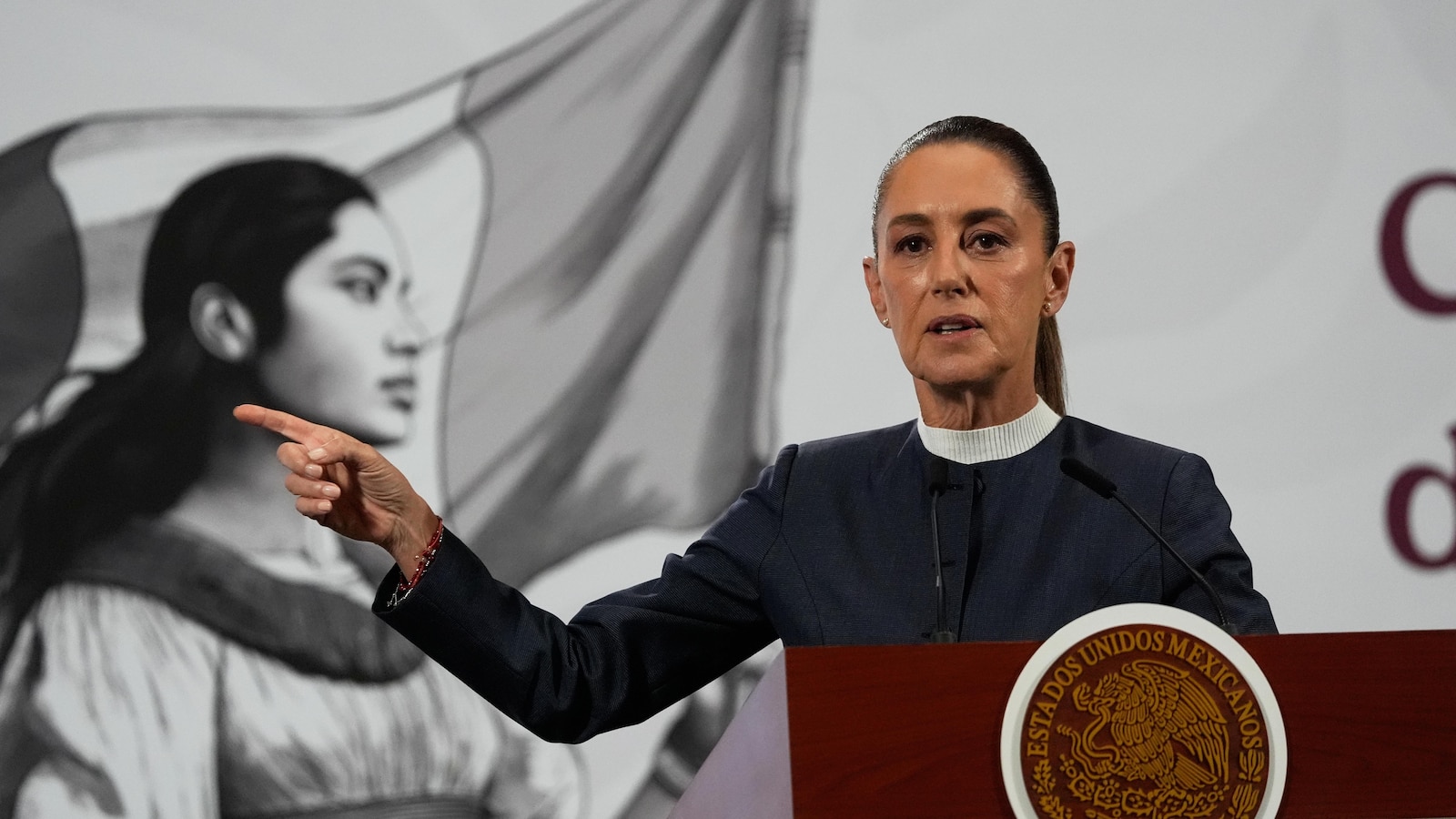
Mexico’s President Confronts Harassment, sparks National Conversation on Women’s Safety
A concerning incident involving Mexico’s President Claudia Sheinbaum has ignited a national dialog about the pervasive issue of harassment against women and the security surrounding the country’s leader. Sheinbaum was approached and briefly held by a man during a public appearance this week, leading to his swift arrest.
The event immediately raised questions about presidential security protocols. However, Sheinbaum has publicly stated she has no plans to increase her personal security detail or alter her accessible approach to interacting with citizens. She believes maintaining that connection is vital.
Interestingly,the president explained the decision to walk from the National Palace to the Education Ministry was a practical one. The team opted for a five-minute walk instead of a 20-minute car ride to save time.
This incident has resonated deeply, prompting Interior Minister Luisa María Alcalde to frame the situation as an attack on all women in Mexico. she skillfully referenced Sheinbaum’s own powerful message delivered upon her election.
When elected,Sheinbaum declared her victory wasn’t solely her own,but a win for all women in the country. Alcalde emphasized this wasn’t merely a campaign slogan, but a firm commitment to actively challenge and dismantle the ingrained misogyny that allows harassment and violence to persist. This includes refusing to ignore abuse and working to prevent further tragedies, including femicides.
The reaction from the public has been varied. Some, like Lilian Valvuena, a 31-year-old citizen, suggest the incident may finally prompt Sheinbaum to prioritize violence against women. Valvuena hopes this will lead to improved police training and response protocols.
“They have to prepare them,” Valvuena stated, highlighting a critical gap in current procedures. “They don’t know what protocols to follow.”
Experts also weighed in, offering nuanced perspectives. Marina Reyna, executive director of the Guerrero Association against Violence toward women, initially expressed concern that Sheinbaum’s calm demeanor during the encounter might downplay the severity of the assault. However, Reyna is optimistic that the president’s willingness to openly discuss the incident will encourage better handling of similar cases in the future.
Reyna points to a meaningful issue: a lack of trust in institutions. “You lose confidence in the institutions,” she explained. “The people stop going to report it, because when you report it nothing happens.”
Here’s what this incident highlights for you:
* A National Problem: Harassment and violence against women are deeply ingrained issues in Mexico,requiring systemic change.
* Leadership Response: The president’s reaction – and the subsequent national conversation - is crucial in setting a tone of accountability and support.
* Institutional Gaps: improved training for law enforcement and a restoration of public trust in reporting mechanisms are essential.
* The Power of Portrayal: Sheinbaum’s election as the first woman president carries significant symbolic weight, and her commitment to women’s safety is paramount.
This event serves as a stark reminder that even those in positions of power are not immune to harassment. It underscores the urgent need for continued dialogue,proactive measures,and a collective commitment to creating a safer and more equitable society for all women in Mexico. It’s a conversation that extends far beyond politics, touching upon essential issues of respect, safety, and justice.
Keep reading