
Sheinbaum Defies U.S. Demand to Extradite Mexican Officials on Drug Charges
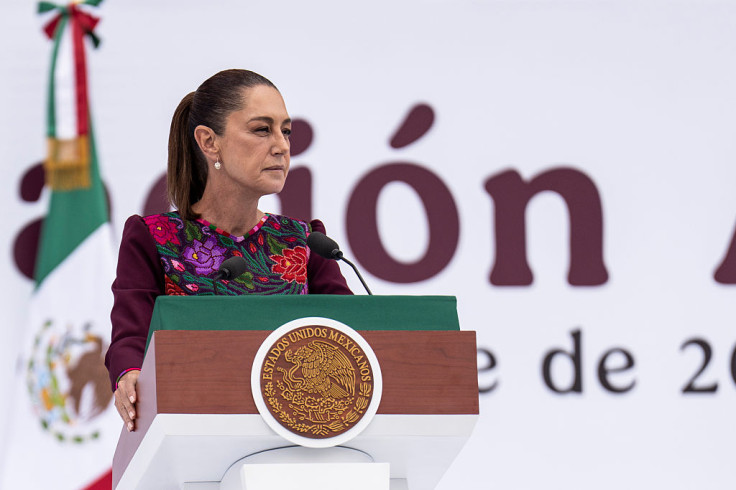
Mexico’s President Claudia Sheinbaum has signaled resistance to U.S. Extradition requests for current and former Mexican officials indicted on drug trafficking and weapons offenses. The charges, unsealed Wednesday in New York, allege a widespread conspiracy to aid in the importation of illicit narcotics into the United States, implicating individuals connected to Mexico’s ruling Morena party and posing a significant political challenge for the newly elected president. This development underscores the complex dynamics between the two nations as they grapple with cross-border criminal activity and the ongoing struggle against powerful drug cartels.
The U.S. Indictment names ten individuals, including Rubén Rocha Moya, the current governor of Sinaloa state, who has held the position since November 2021. The charges against Rocha Moya include narcotics importation conspiracy and possession of machine guns and destructive devices, alongside another conspiracy count. The case highlights the deep-rooted challenges of corruption within Mexican institutions and the potential for collusion between government officials and criminal organizations. The timing of the indictment is particularly sensitive, as Sheinbaum prepares to navigate mounting pressures from the United States, including scrutiny related to former President Donald Trump’s rhetoric on border security and drug trafficking.
Political Ramifications and Morena’s Response
The indictment has sparked a political firestorm in Mexico, with some members of the Morena party characterizing the charges as a politically motivated attack. This claim suggests a perception that the U.S. Government is attempting to undermine the legitimacy of Sheinbaum’s administration and destabilize the ruling party. The involvement of Morena members in the alleged conspiracy presents a significant conundrum for Sheinbaum, who has pledged to address corruption and strengthen the rule of law. Successfully navigating this crisis will require a delicate balance between asserting Mexico’s sovereignty and cooperating with U.S. Law enforcement.
According to the U.S. Federal officials’ announcement, the indicted individuals allegedly used their positions to protect and facilitate the operations of the Sinaloa cartel, one of the world’s most powerful drug trafficking organizations. The charges detail how these officials allegedly provided security, logistical support, and financial assistance to the cartel in exchange for bribes and other forms of illicit payments. The scale of the alleged conspiracy suggests a systemic problem of corruption within the Sinaloa state government and law enforcement agencies. The U.S. Government has not publicly disclosed the full extent of the evidence supporting the indictment, but officials have indicated that it includes wiretaps, financial records, and witness testimony.
Mexico’s Position on Extradition
Following the unsealing of the indictment, the Mexican government confirmed it had received multiple extradition requests from the U.S. However, officials have refrained from identifying the individuals targeted by these requests and have not yet indicated how they will respond. President Sheinbaum has stated that Mexico will require “clear evidence” linking Governor Rocha to any wrongdoing before considering his extradition. This stance reflects a commitment to due process and a reluctance to cede sovereignty to the U.S. Government. The Mexican constitution outlines the legal framework for extradition, requiring a formal request from the U.S. Government, a review of the evidence by Mexican courts, and a determination that the individual is not subject to political persecution.
The demand for evidence underscores a growing tension in U.S.-Mexico relations regarding extradition. Mexico has historically been hesitant to extradite its citizens, particularly on charges that are perceived as politically motivated or lacking sufficient evidence. The Sheinbaum administration’s position on extradition is likely to be influenced by domestic political considerations, as well as a desire to maintain a strong and independent relationship with the United States. The outcome of this case could set a precedent for future extradition requests and shape the broader dynamics of law enforcement cooperation between the two countries.
The Sinaloa Cartel and Regional Security
The Sinaloa cartel, despite facing increased pressure from Mexican security forces, remains a dominant force in the illicit drug trade. The cartel’s vast network extends throughout Mexico and into the United States, enabling it to traffic massive quantities of fentanyl, methamphetamine, cocaine, and heroin. The cartel’s influence is particularly strong in the state of Sinaloa, where it has historically enjoyed a degree of protection from corrupt officials. The U.S. Government has identified the Sinaloa cartel as a major threat to national security, citing its role in fueling the opioid crisis and contributing to violence and instability in the United States.
The recent indictment of Mexican officials allegedly linked to the Sinaloa cartel highlights the challenges of disrupting the cartel’s operations. Corruption within government institutions provides a safe haven for criminal organizations, allowing them to operate with impunity and evade law enforcement. Addressing this problem requires a comprehensive approach that includes strengthening anti-corruption measures, improving transparency and accountability, and enhancing cooperation between Mexican and U.S. Law enforcement agencies. The Sheinbaum administration has pledged to prioritize these efforts, but the scale of the challenge is immense.
Implications for U.S.-Mexico Relations
The current situation has the potential to strain U.S.-Mexico relations, particularly if Mexico refuses to extradite the indicted officials. The U.S. Government has expressed its expectation that Mexico will cooperate fully with the extradition requests, emphasizing the importance of holding those responsible for drug trafficking accountable. However, Mexico is likely to resist any attempt to pressure it into making concessions that would compromise its sovereignty. The Biden administration will need to carefully calibrate its response to avoid escalating tensions and undermining the broader strategic partnership with Mexico.
The ongoing dialogue between the two countries will likely focus on strengthening law enforcement cooperation, sharing intelligence, and addressing the root causes of drug trafficking. Both governments recognize the need to operate together to combat the flow of illicit drugs and dismantle criminal organizations. However, fundamental differences in approach and priorities could continue to pose challenges. The U.S. Government has advocated for a more aggressive approach to drug interdiction and law enforcement, while the Mexican government has emphasized the importance of addressing social and economic factors that contribute to drug trafficking. Finding common ground on these issues will be crucial for maintaining a productive and mutually beneficial relationship.
The Mexican government’s response to the extradition requests is expected in the coming weeks. The outcome of this case will have significant implications for U.S.-Mexico relations and the ongoing fight against drug trafficking. The situation remains fluid, and further developments are likely as the investigation unfolds and the legal proceedings progress. The world will be watching closely to see how Sheinbaum navigates this complex and politically sensitive situation.
Key Takeaways:
- Ten current and former Mexican officials, including Sinaloa Governor Rubén Rocha Moya, have been indicted in the U.S. On drug trafficking and weapons charges.
- President Sheinbaum has indicated Mexico will require “clear evidence” before considering extradition requests.
- The case highlights the challenges of corruption within Mexican institutions and the ongoing struggle against the Sinaloa cartel.
- The situation has the potential to strain U.S.-Mexico relations, requiring careful diplomacy from both governments.
Stay tuned to World Today Journal for further updates on this developing story. We encourage readers to share their thoughts and perspectives in the comments section below.
Worth a look