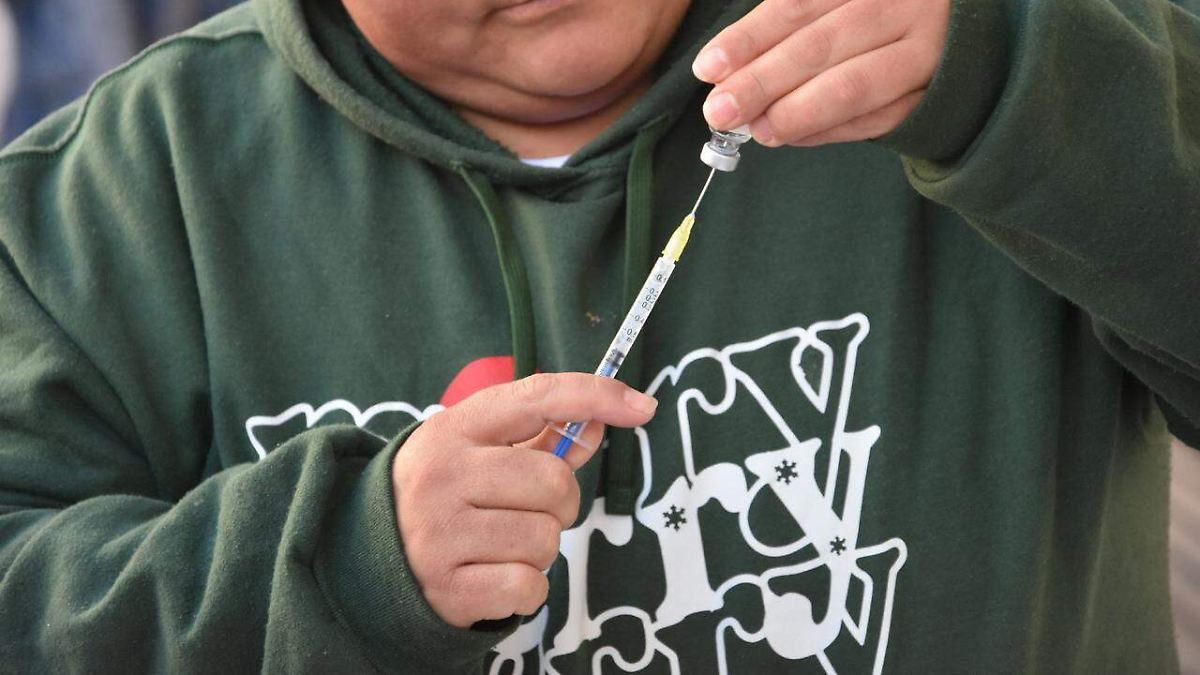
Chihuahua, Mexico is intensifying its measles vaccination campaign in response to a recent uptick in cases, with health authorities reporting three new confirmed infections as of March 3, 2026. The accelerated effort reflects a broader national strategy to combat a resurgence of the highly contagious disease, a public health concern that demands swift and comprehensive action. This renewed focus on vaccination underscores the critical role preventative measures play in safeguarding communities against preventable illnesses.
The measles virus is particularly dangerous due to its high transmissibility. It spreads through respiratory droplets produced when an infected person coughs or sneezes. Symptoms typically begin with fever, cough, runny nose, and red, watery eyes, followed by a rash that spreads over the body. While often considered a childhood illness, measles can lead to serious complications, including pneumonia, encephalitis (brain swelling), and even death, particularly in young children and individuals with weakened immune systems. Effective vaccination remains the most reliable defense against infection and its potentially severe consequences.
Rapid Vaccination Response in Chihuahua
According to reports, Chihuahua has administered over 47,000 doses of the measles vaccine in just two weeks, between February 12th and March 2nd, 2026. This represents a significant increase in vaccination efforts, demonstrating a robust institutional response and strong public participation. Venessa Rivas, reporting for El Heraldo de Chihuahua, noted that the state has effectively administered the equivalent of five to six years’ worth of routine vaccinations in a single year. This surge in activity highlights the scale of the mobilization undertaken to protect the population.
The increased vaccination rate is a direct result of bolstering the national campaign, which has seen weekly vaccine administration jump from 270,000 doses to over 3.4 million doses nationwide. This dramatic increase in vaccine availability and administration capacity is a testament to the commitment of health officials and the willingness of the public to participate in preventative healthcare measures. However, authorities caution that the outbreak is not yet under control, with new cases continuing to emerge each week, albeit with a slight downward trend.
Prioritizing Vaccination Efforts
Health officials have identified specific groups as priorities for vaccination. Children between six months and 12 years of age are considered most vulnerable and are being targeted for vaccination, particularly those who have not received any doses or have incomplete vaccination schedules. This age group is at the highest risk of experiencing severe complications from measles infection. Individuals aged 13 to 49 who are unvaccinated are also being encouraged to receive the vaccine, especially in areas with higher incidence rates.
The measles vaccine is universally available and free of charge throughout Mexico. This accessibility is crucial to ensuring that all individuals, regardless of socioeconomic status, have the opportunity to protect themselves and their communities from the virus. The widespread availability of the vaccine removes financial barriers to access, promoting equitable healthcare and maximizing population immunity.
Broader Public Health Context in Mexico
While measles is currently the focus of intensified vaccination efforts in Chihuahua, other respiratory illnesses are also circulating in the region. According to a report from November 2025, influenza cases were primarily concentrated in Chihuahua, Delicias, and Ciudad Juárez, with a total of 148 cases reported year-to-date. El Heraldo de Chihuahua reported that the influenza vaccine is also available to the entire population aged six months and older, with priority given to older adults and individuals with chronic illnesses. This highlights the importance of comprehensive respiratory illness prevention strategies, including vaccination against both measles, and influenza.
Understanding Measles and Vaccination
Measles is a highly contagious viral infection that can have serious health consequences. The virus is airborne and spreads easily through coughing and sneezing. Symptoms typically appear 10-14 days after exposure and include high fever, cough, runny nose, and a characteristic rash that starts on the face and spreads throughout the body. Complications can include ear infections, pneumonia, encephalitis, and, in rare cases, death.
The measles, mumps, and rubella (MMR) vaccine is a safe and effective way to prevent measles. The Centers for Disease Control and Prevention (CDC) recommends that children receive two doses of the MMR vaccine: the first dose at 12-15 months of age and the second dose at 4-6 years of age. Vaccination provides long-lasting immunity to measles, protecting individuals and contributing to herd immunity, which helps to protect those who cannot be vaccinated, such as infants and individuals with certain medical conditions.
The Importance of Continued Vigilance
Despite the significant progress made in increasing vaccination rates, health authorities in Chihuahua emphasize that continued vigilance is essential. The outbreak is not yet fully contained, and ongoing monitoring of cases is crucial to track the spread of the virus and adjust vaccination strategies accordingly. Maintaining high vaccination coverage is the most effective way to prevent future outbreaks and protect the health of the community.
Public health officials are urging residents to stay informed about the measles outbreak and to take appropriate preventative measures, including getting vaccinated if they are eligible. They also recommend practicing fine hygiene, such as frequent handwashing and covering coughs and sneezes, to help prevent the spread of the virus. Collaboration between healthcare providers, public health agencies, and the community is vital to successfully controlling the outbreak and protecting the population from this preventable disease.
The situation in Chihuahua serves as a reminder of the ongoing threat posed by infectious diseases and the importance of maintaining robust public health infrastructure and vaccination programs. Investing in preventative healthcare measures is not only essential for protecting individual health but also for safeguarding the well-being of communities and ensuring a healthy future for all.
The next official update on the measles outbreak in Chihuahua is expected from the state’s Ministry of Health on March 17, 2026. We encourage readers to share this information with their networks and to consult with their healthcare providers if they have any concerns about measles or vaccination. Your comments and questions are welcome below.
Worth a look
- Carbohydrates and Meal Timing: Strategies to Reduce Blood Sugar Spikes
- Extremadura Breast Cancer Screening Program: New Age Requirements and Early Detection
- DR Congo Ebola Outbreak: Fastest Growing and Second Largest Ever (newsdirectory3.com)
- Trump Legal Team Defends Accountability Efforts Amid Ongoing Proceedings (world-today-news.com)