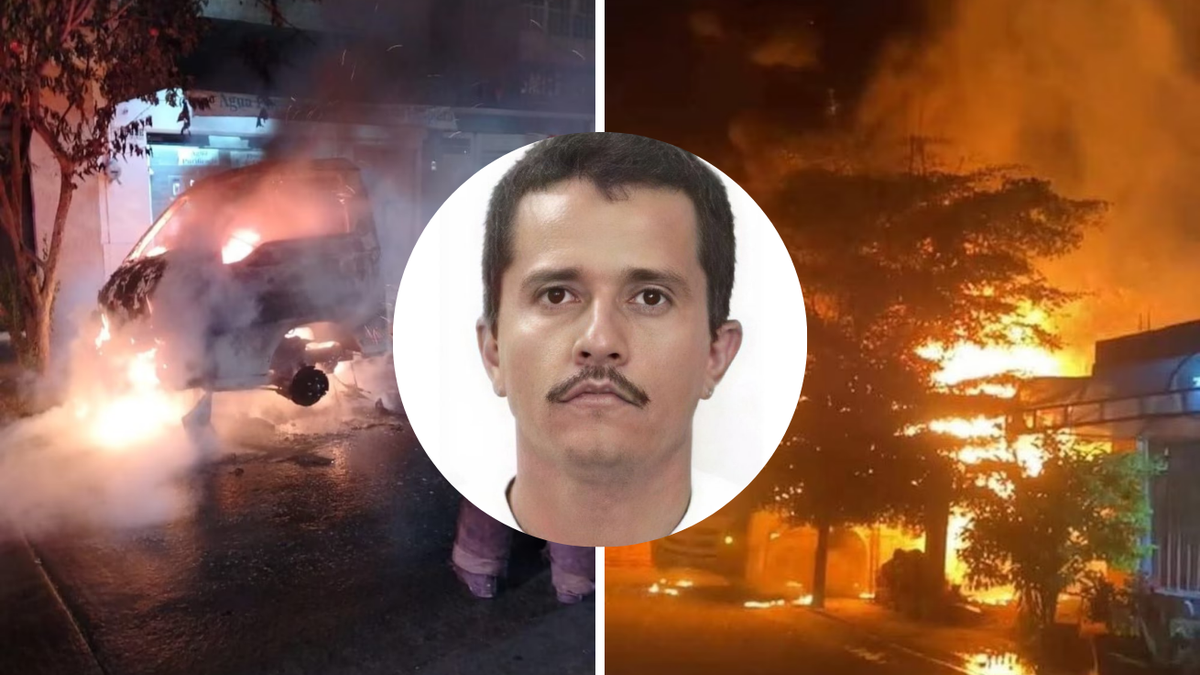
Jalisco, Mexico – Following the death of Nemesio Oseguera Cervantes, known as “El Mencho,” leader of the Cártel Jalisco Nueva Generación (CJNG), the Mexican state of Jalisco experienced a surge in violence and disruption, prompting a swift response from both state and federal authorities. While the immediate crisis appears to be subsiding, with the lifting of a “Code Red” security alert, the situation remains fluid and underscores the ongoing challenges Mexico faces in combating organized crime. The events of the past several days highlight the power vacuum created by El Mencho’s demise and the CJNG’s potential for retaliatory action.
El Mencho, identified as the founder and principal leader of the CJNG, was killed during a military operation on February 22, 2026, in a rural area of Jalisco, a state heavily influenced by the cartel’s operations. The CJNG has a significant presence not only in Jalisco but also in multiple other states across Mexico, and has documented international operations, particularly involving drug trafficking and financial crimes, according to authorities in both Mexico and the United States. His death marks a significant blow to the organization, but experts caution that it does not necessarily equate to the cartel’s dismantling.
Initial Violence and Security Response
The immediate aftermath of El Mencho’s death was marked by widespread unrest. Criminal groups affiliated with the CJNG responded with acts of violence, including the burning of vehicles and the blocking of major roadways throughout Jalisco. These actions were intended to disrupt transportation and commerce, and to demonstrate the cartel’s continued influence despite the loss of its leader. In response, the Jalisco state government implemented a “Code Red” security protocol, the highest level of alert, mobilizing security forces and coordinating efforts to restore order.
Governor Pablo Lemús Navarro announced on February 24th that the “Code Red” had been lifted, signaling a return to a more normalized state of affairs. However, he emphasized that the Mesa interinstitucional de seguridad (interinstitutional security table) would continue to meet regularly to monitor the situation and address any emerging threats. The decision to lift the alert followed a period of intense security operations aimed at suppressing further violence and securing key infrastructure. Infobae reports that the security table made the decision to both activate and then lift the protocol.
Return to Normalcy and Economic Impact
As of February 25, 2026, authorities have confirmed the resumption of classes at all educational levels throughout Jalisco. Governor Lemús Navarro also announced the reopening of businesses, including banks, supermarkets, and other commercial establishments, as well as the restoration of public transportation and digital platform services. Efforts were also focused on ensuring the continued supply of fuel and the normalization of services in the metropolitan area of Guadalajara. In Puerto Vallarta, personnel were deployed to reinstate public transportation, food supplies, and tourism-related services, with the airport operating normally.
The disruption caused by the violence had a temporary impact on the state’s economy, but officials are working to minimize long-term consequences. The swift restoration of essential services is a key component of this effort. The government’s proactive communication regarding the reopening of schools and businesses aimed to reassure residents and encourage a return to routine activities. The timing of these developments is particularly significant, given Jalisco’s role as a host city for the 2026 FIFA World Cup, with Guadalajara scheduled to host four group stage matches.
Federal Government Response and National Implications
The operation that resulted in El Mencho’s death was led by federal forces, demonstrating the central government’s commitment to tackling organized crime. While details of the operation remain limited, authorities confirmed that it took place in a rural area known to be under the influence of the CJNG. The Mexican government has not yet released a comprehensive report on the operation, but officials have indicated that it was the culmination of an extensive intelligence-gathering and investigative effort.
The death of El Mencho is expected to have broader implications for the landscape of organized crime in Mexico. The CJNG has emerged as one of the most powerful and violent cartels in the country, challenging the dominance of other criminal organizations. Its expansion has been fueled by its involvement in drug trafficking, extortion, and other illicit activities. The removal of its leader could create opportunities for rival cartels to gain ground, potentially leading to increased competition and violence. The Novel York Times en Español reports that groups armed with firearms caused fires and blockades in various parts of the country following the news of El Mencho’s death.
The Rise of the CJNG and El Mencho’s Leadership
Nemesio Oseguera Cervantes, born July 17, 1966, in Michoacán, began his criminal career within structures linked to the Milenio Cartel. Following the fragmentation of that organization, he consolidated the CJNG as an independent entity with a growing presence across multiple Mexican states. Authorities have accused him of crimes related to international drug trafficking, organized crime, money laundering, and the use of high-caliber weapons. His ruthless leadership and strategic acumen were instrumental in the CJNG’s rapid expansion and its ability to challenge established cartels.
The CJNG’s tactics have been characterized by extreme violence and a willingness to engage in direct confrontations with security forces. The cartel has also been known to employ sophisticated technology and communication methods, making it difficult to track and disrupt its operations. El Mencho’s death represents a significant setback for the CJNG, but the organization’s deep roots and extensive network of operatives suggest that it will likely continue to pose a threat to security in Mexico.
Looking Ahead: Challenges and Uncertainties
While the immediate crisis in Jalisco appears to be easing, the long-term implications of El Mencho’s death remain uncertain. The Mexican government faces the challenge of preventing a power vacuum from escalating into further violence and instability. Strengthening law enforcement capabilities, improving intelligence gathering, and addressing the underlying socio-economic factors that contribute to organized crime are crucial steps in this effort.
The situation also highlights the necessitate for continued international cooperation in combating drug trafficking and transnational criminal organizations. The CJNG’s international connections and its involvement in financial crimes require a coordinated response from multiple countries. The Mexican government has expressed its commitment to working with international partners to dismantle the CJNG and bring its remaining leaders to justice.
Mexican President Claudia Sheinbaum Pardo stated that the situation is beginning to normalize following El Mencho’s death, emphasizing the government’s objective to guarantee peace and security. MSN reports on her statement.
The next key development to watch will be the Mexican government’s announcement of any further arrests or operations targeting high-ranking members of the CJNG. The effectiveness of these efforts will be crucial in determining whether the cartel can maintain its influence in the wake of El Mencho’s death. The situation remains dynamic, and ongoing monitoring and analysis will be essential to understanding the evolving landscape of organized crime in Mexico.
What are your thoughts on the situation in Jalisco? Share your comments below and let us know how you think the Mexican government should proceed. Please also share this article with your network to assist spread awareness of this vital issue.
Keep reading
- Trump Threatens to Pull Todd Blanche’s DOJ Nomination Amid Clash With Senator Cornyn
- New Chula Vista Teacher Pantry Offers Free Classroom Supplies for South Bay Educators
- Cheyenne Police and Laramie County SWAT Team Joint Operation (news-usa.today)
- Europe Wildfires: Latest Updates and Impact Across France, Greece, and Spain (archynewsy.com)