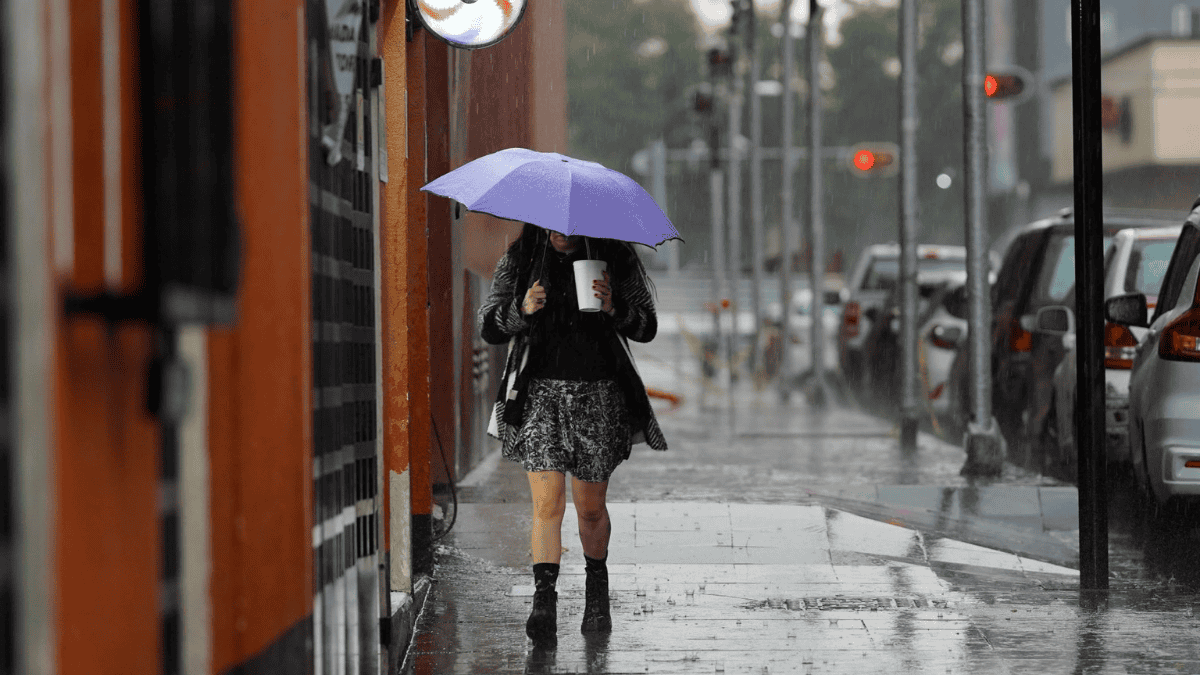
Parts of Mexico are bracing for an extended period of heavy rainfall as two cold fronts are expected to bring five consecutive days of rain to at least 13 states across the country. Meteorological authorities have issued alerts for widespread precipitation, with some regions facing the risk of flooding, landslides, and disruptions to transportation and daily activities. The weather system is being closely monitored by the National Meteorological Service (Servicio Meteorológico Nacional, SMN), which forecasts sustained rainfall from frontal boundaries moving in from the north and northeast.
The approaching fronts are expected to affect central, eastern, and southeastern regions, with states such as Veracruz, Puebla, Hidalgo, Tlaxcala, Estado de México, Ciudad de México, Morelos, Guerrero, Oaxaca, Chiapas, Tabasco, Campeche, and Quintana Roo among those likely to experience the most significant impacts. These systems are drawing moisture from the Gulf of Mexico and the Caribbean Sea, intensifying rainfall potential as they interact with local topography and atmospheric instability.
Residents in vulnerable areas are being urged to take precautions, particularly in zones prone to flash flooding or located near rivers and slopes. Civil protection agencies in several states have activated monitoring protocols and are preparing emergency response teams. Authorities recommend avoiding unnecessary travel during peak rainfall periods, securing loose objects outdoors, and staying informed through official channels such as the SMN and local civil protection units.
According to the National Water Commission (Conagua), the rainfall totals could exceed historical averages for this time of year in some basins, increasing pressure on drainage systems and reservoirs. In Veracruz, officials have already begun preventive measures in coastal municipalities where river levels are rising. Similarly, in the Valley of Mexico, authorities are monitoring the capacity of drainage infrastructure to handle prolonged runoff.
The interaction between the cold fronts and a lingering mass of warm, humid air from the south is contributing to the intensity and duration of the precipitation. This contrast in air masses often leads to prolonged periods of rain and thunderstorms, particularly in the afternoons and evenings. Meteorologists note that while such frontal systems are common during the transition from dry to rainy season, the persistence and geographic reach of this event warrant heightened attention.
Understanding the Meteorological Drivers Behind the Rainfall
The current weather pattern involves two distinct cold fronts advancing across Mexican territory. A cold front represents the leading edge of a cooler air mass displacing warmer air, often triggering lift, condensation, and precipitation when it encounters moist, unstable conditions. In this case, both fronts are drawing significant moisture from the Gulf of Mexico, which remains warmer than average for this time of year, enhancing the potential for heavy rainfall.
Forecast models from the SMN indicate that the first front will initiate affecting northern and central states early in the period, bringing scattered to moderate rains. The second front, following approximately 24 to 36 hours later, is expected to reinforce the system, leading to more widespread and sustained precipitation, particularly in southern and southeastern states. This sequential arrival increases the likelihood of soil saturation and secondary hazards such as landslides in mountainous regions.
Experts from the National Autonomous University of Mexico (UNAM) explain that the interaction between these fronts and the region’s complex terrain — including the Sierra Madre Oriental, the Trans-Mexican Volcanic Belt, and the Yucatán Peninsula — can amplify rainfall through orographic lift, where air is forced upward by elevation, cooling and releasing moisture as precipitation.
climatologists note that while April typically marks the end of the dry season in much of central and northern Mexico, recent years have shown increasing variability in precipitation timing due to broader climate patterns. The SMN’s long-term monitoring shows a trend toward more intense, shorter-duration rainfall events in some areas, though attribution to specific climate drivers requires further study.
Regional Impacts and Preparedness Measures
In Veracruz, where the forecast predicts some of the highest rainfall accumulations, state civil protection officials have identified over 200 communities at elevated risk of flooding or landslides. The state has pre-positioned emergency supplies, including sandbags, food kits, and medical supplies, in coordination with municipal authorities. Evacuation routes are being reviewed, and shelters are on standby in high-risk zones along the Papaloopan and Coatzacoalcos river basins.
In Puebla and Tlaxcala, authorities are monitoring the slopes of Popocatépetl and La Malinche volcanoes, where saturated soils could increase the risk of lahars or debris flows, even in the absence of volcanic activity. The National Center for Disaster Prevention (CENAPRED) has issued advisories urging residents in nearby communities to avoid ravines and dry creek beds during and after rainfall events.
Mexico City and the surrounding Estado de México are under yellow alert for potential urban flooding, particularly in boroughs with known drainage challenges such as Iztapalapa, Gustavo A. Madero, and Ecatepec. The city’s Secretariat of Integral Risk Management and Civil Protection has deployed additional personnel to monitor storm drains and respond to reports of flooding. Residents are encouraged to report blockages via the 911 emergency line or the city’s official app.
In the Yucatán Peninsula, including Campeche and Quintana Roo, the rainfall is expected to interact with the peninsula’s karst topography, where water rapidly infiltrates the limestone substrate but can still lead to localized flooding in low-lying areas and urban centers. Tourism operators in Cancún, Playa del Carmen, and Tulum have been advised to inform guests of potential disruptions to outdoor activities and excursions.
Public Guidance and Official Resources
Authorities emphasize that staying informed is critical during prolonged weather events. The SMN provides real-time updates through its official website and social media channels, including detailed forecasts, rainfall accumulations, and alert levels by state. Conagua offers river level monitoring data for major basins, which can aid communities anticipate rising water levels.
Civil protection units at the state and municipal levels are the primary sources for evacuation orders, shelter locations, and emergency assistance. The public is advised to follow only official communications and to avoid sharing unverified information on social media, which can contribute to panic or confusion during emergencies.
For those in rural or remote areas, having an emergency kit with essentials such as drinking water, non-perishable food, flashlights, batteries, and a first-aid supply is recommended. Families should also establish communication plans in case power or cellular service is disrupted. Drivers are urged to avoid crossing flooded roads, as even shallow-moving water can pose a significant risk of vehicle displacement or loss of control.
As the system progresses, officials will continue to assess conditions and adjust alerts as needed. The next official update from the SMN is scheduled for the morning of the third day of the forecast period, with potential adjustments based on real-time observations and model consistency.
This weather event underscores the importance of preparedness and community resilience in the face of increasingly variable meteorological conditions. By heeding official guidance and taking proactive steps, residents can help minimize risks and support a coordinated response to the challenges posed by extended rainfall.
Stay tuned to World Today Journal for ongoing coverage of this developing weather situation and its impacts across Mexico. We encourage readers to share their experiences and observations in the comments section below and to spread awareness by sharing this article with others who may be affected.
Keep reading
- San Francisco Couple Finds Mysterious 150-Pound Stone Sculpture Buried in Backyard
- Chen Peichi Reveals Why She’d Divorce Ko Wen-je and Mentions Chen Hsing-yu and Chao Chien-ming
- Europe Wildfires Force Thousands to Flee Amid Record Heatwave (archynewsy.com)
- Government Warns Single-Use Grills Pose Significant Public Risk Amid Heatwave (world-today-news.com)