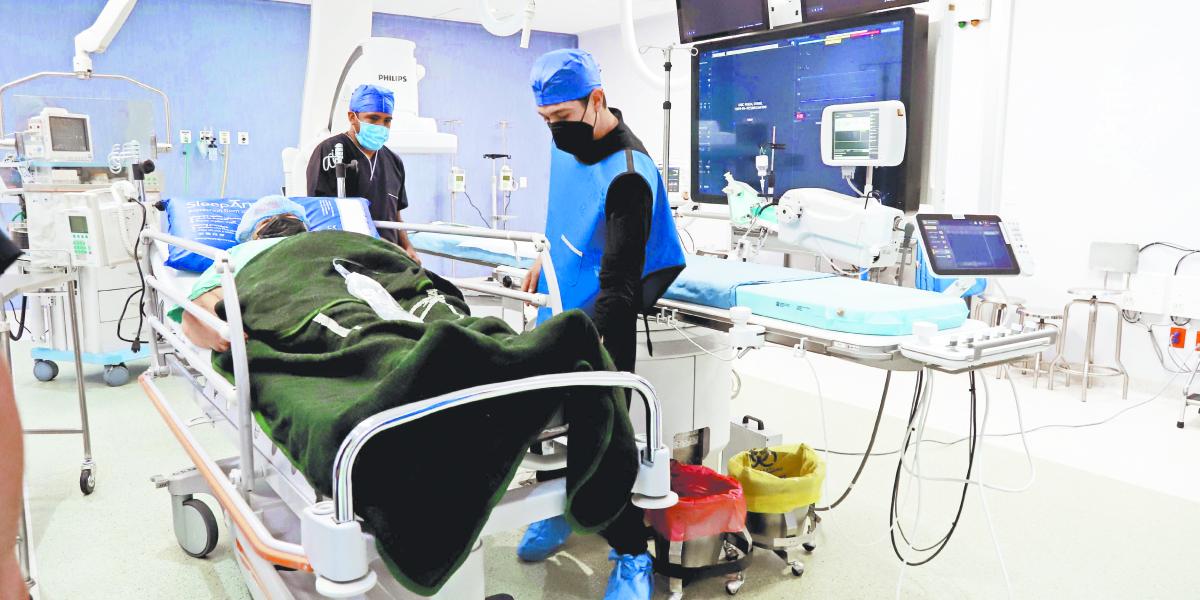
Mexico’s public health expenditure remains significantly below the 6% of Gross Domestic Product (GDP) threshold recommended by the World Health Organization (WHO) to move toward universal health coverage. Despite the increased pressure on the national healthcare system during the COVID-19 pandemic, fiscal allocations for health have failed to reach the international benchmark, according to data from the World Health Organization. This persistent funding gap limits the capacity of state institutions to expand infrastructure, procure essential medicines, and maintain a robust medical workforce.
The 6% Benchmark and Current Fiscal Reality
The WHO has long advocated for countries to allocate at least 6% of their GDP to public health to ensure equitable access and financial protection for their populations. In the Mexican context, however, historical spending levels have consistently hovered between 2.5% and 3% of GDP, as reported by the Organisation for Economic Co-operation and Development (OECD). This disparity represents more than just a statistical shortfall; it directly impacts the availability of specialized care and the modernization of public hospitals.
When health spending is chronically low, the burden of financing medical services often shifts to the private sector or directly to households. Out-of-pocket expenditures remain high for many families, which can lead to catastrophic health spending—a situation where medical costs exceed a household’s ability to pay, often forcing families to forgo necessary treatment. Addressing this gap is a central challenge for the federal government as it seeks to integrate fragmented health systems into a unified, national model.
Drivers of Health Funding Constraints
Public health financing in Mexico is influenced by a complex interplay of fiscal policy and administrative restructuring. The transition from previous health insurance models to newer centralized systems, such as the IMSS-Bienestar, has been marked by significant logistical challenges. According to the Instituto Mexicano del Seguro Social (IMSS), the goal of this transition is to provide coverage to individuals without formal employment, yet the fiscal sustainability of this model depends on consistent and increased budgetary support.
Experts note that increasing the health budget requires a broader fiscal reform to expand the tax base. Without such changes, the government faces a constant trade-off between competing social priorities, including education, infrastructure, and poverty alleviation programs. The COVID-19 pandemic underscored the vulnerabilities of this underfunded system, revealing critical shortages in intensive care capacity and medical supplies that were exacerbated by years of limited investment.
The Impact on Medical Infrastructure and Staffing
The consequences of funding below the WHO recommendation are most visible in the aging infrastructure of public clinics and the strain on medical professionals. As a physician, I have observed that insufficient funding leads to longer wait times for elective surgeries and diagnostic procedures. Furthermore, the recruitment and retention of specialists in rural or underserved areas remain difficult when the public budget cannot support competitive salaries or modern equipment.
The Secretaría de Salud is tasked with managing these limited resources while attempting to meet the rising demand for chronic disease management, such as diabetes and hypertension, which currently account for a large portion of the national disease burden. Moving forward, the government is expected to continue its focus on centralizing procurement processes to potentially lower costs, although the effectiveness of these measures in closing the 3% gap remains a subject of ongoing debate among economists and public health policy analysts.
Looking Ahead: Fiscal Policy and Accountability
The next major checkpoint for assessing health expenditure will be the presentation of the federal budget for the upcoming fiscal year. Stakeholders, including civil society organizations and medical associations, are closely monitoring whether the administration will prioritize a significant increase in the health sector’s share of the national budget. Transparency in how these funds are allocated and the measurable outcomes in patient care will be the primary indicators of success.
For readers interested in the evolution of these policies, the Transparency in Budgeting portal provides ongoing updates on how public funds are utilized across different sectors in Mexico. We invite our readers to share their perspectives on the challenges facing public healthcare in the comments section below.
Related reading
- How Doctors Can Fix the Systemic Failure of Patient Communication
- EuroLeague Transfer News & Summer Market Updates: Latest Signings and Rumors
- Why Your iPhone's Battery Health Number Drops Even With Careful Use (daybreakwire.com)
- New Mexico Attorney General Launches Investigation Over High Rates of Harsh Prison Conditions (news-usa.today)