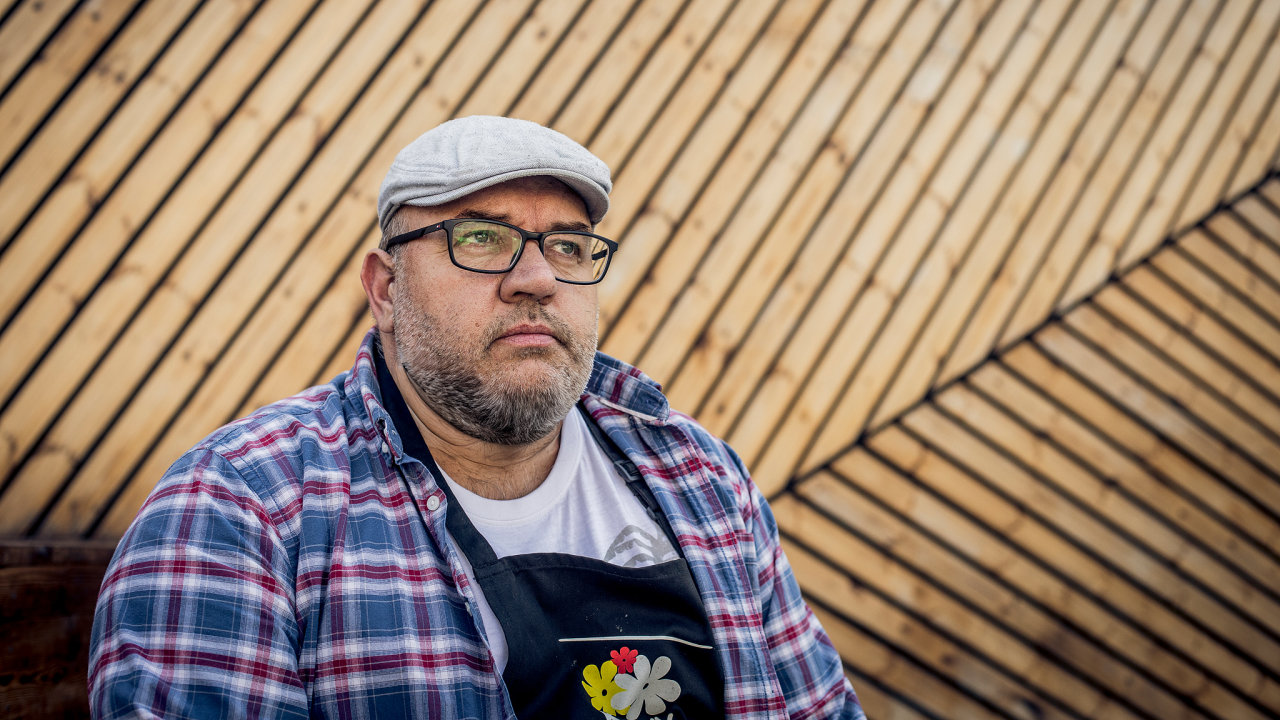
In the volatile world of retail franchising, the line between a brand’s corporate identity and the personality of its founder is often blurred. This tension has now culminated in a high-stakes legal confrontation in the Czech Republic, where the Twist group—a franchising entity behind several high-profile urban concepts—is locked in an “open war” with the man who became the face of its floral empire, Pepa Dušátko.
The dispute centers on a pre-litigation demand for 10 million CZK and a struggle for control over the digital assets of the “Kytky od Pepy” (Pepa’s Flowers) brand. For global observers of franchise law, the case serves as a textbook example of the complexities surrounding intellectual property (IP) and the “key person” risk that arises when a corporate entity builds its marketing around a specific individual’s persona.
As the Twist group navigates a period of significant contraction and reorganization, this legal battle is not merely a dispute over a domain name or a contractual penalty. It is a clash over the equity of a brand and the right of a founder to pivot toward a new venture. The conflict highlights the precarious nature of franchising agreements when the human element of a brand decides to detach from the corporate structure.
The 10 Million CZK Dispute: Brand vs. Founder
The core of the conflict lies in the fallout between the Twist group and Pepa Dušátko, the gardener whose image and name anchored the “Kytky od Pepy” concept. According to reports from Hospodářské noviny, the franchising group has issued a pre-litigation notice demanding 10 million CZK from Dušátko, citing breaches of their agreement.
A primary point of contention is the ownership and transfer of the “Kytky od Pepy” domain. The Twist group asserts that under the terms of their purchase agreement, the domain belongs to the corporation and must be handed over immediately. The refusal to do so, combined with other alleged contractual violations, has led to the current threat of lawsuits.
The relationship began to deteriorate publicly in April, when Dušátko announced his departure from the concept. In a move that signaled a clean break from his former partners, he launched a new, independent brand titled “Kytky kytky jenom kytky” (Flowers flowers just flowers). This pivot effectively split the brand’s identity: the corporate entity retains the legal framework of the original franchise, while the original “face” of the business has taken his expertise and personal brand to a competitor.
A Portfolio in Decline: The Struggle of the Twist Group
To understand why the Twist group is pursuing such an aggressive legal strategy now, one must look at the broader health of the organization. The group, which has managed a diverse portfolio of “fast-concept” retail and beverage outlets—including the popular Trdlokafe, Bubblify, and OXO—is currently experiencing a sharp downturn.
The company is reportedly shrinking rapidly, having lost dozens of branches across its various concepts. This contraction has been accompanied by layoffs and a comprehensive organizational restructuring. The pursuit of 10 million CZK from a former partner comes at a time when the group is desperately seeking to stabilize its finances and protect its remaining assets.
From an economic perspective, this is a classic case of “asset protection” during a corporate decline. When a franchising group loses its scale, the value of its intellectual property—including domain names and brand trademarks—becomes its most liquid and defensible asset. For Twist, the “Kytky od Pepy” domain is not just a website; it is a piece of digital real estate that represents the last vestiges of a once-expanding retail footprint.
The ‘Key Person’ Risk in Global Franchising
This dispute underscores a critical vulnerability in modern franchising: the reliance on a “personality brand.” When a company markets a service through the charisma and expertise of a single individual (in this case, Pepa the gardener), they create a symbiotic but fragile relationship. If the individual leaves, the brand often loses its authenticity; if the company retains the name but loses the person, they are left with a hollow shell.

In many jurisdictions, the legality of such disputes hinges on the specific wording of the “non-compete” and “IP transfer” clauses. If Dušátko’s agreement explicitly transferred all rights to his name and likeness to the Twist group in perpetuity, the company has a strong legal standing. However, if the agreement was limited to the operation of specific stores, his move to start “Kytky kytky jenom kytky” may be viewed as a legitimate exercise of professional autonomy.
The “open war” currently playing out in the Czech market is a reminder to entrepreneurs and franchisors alike that clear, ironclad agreements regarding digital assets and personal branding are essential. The ambiguity of who “owns” a persona can lead to costly litigation that distracts from the core business operations.
What Happens Next
The immediate future of this conflict depends on whether Pepa Dušátko complies with the pre-litigation demands or if the Twist group proceeds to a formal court filing. The handover of the domain remains the most critical short-term checkpoint; if the domain is not transferred, a court-ordered seizure of the asset is the likely next step.
the Twist group’s ongoing reorganization will determine if they have the appetite for a prolonged legal battle. As they bring in new allies and restructure their debt and operations, the company may either double down on these lawsuits to recover funds or seek a settlement to clear the decks for a new strategic direction.
We will continue to monitor the court filings and official statements from both the Twist group, and Mr. Dušátko as this case progresses through the Czech legal system.
Do you believe a company should own a founder’s name after a buyout, or should the individual always retain their personal brand? Share your thoughts in the comments below or share this analysis with your professional network.
Worth a look