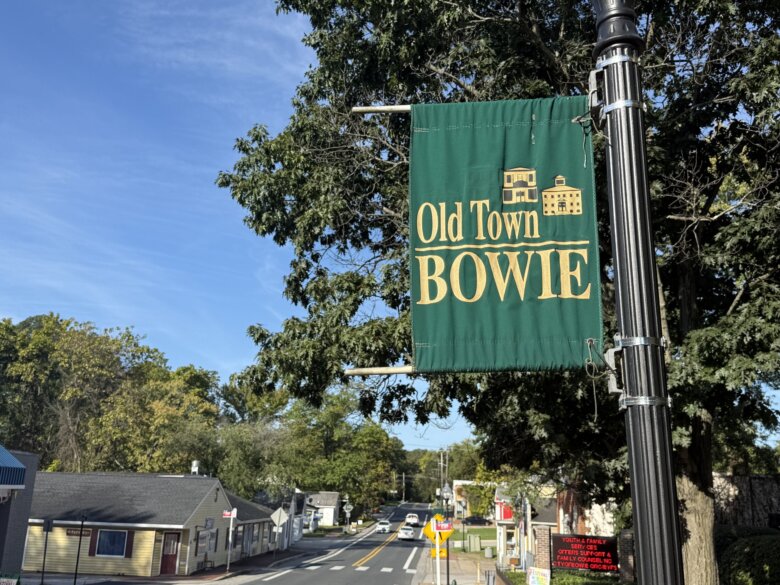
The City of Bowie, Maryland, has officially entered a recent chapter of municipal leadership following the conclusion of a special election to determine the city’s next mayor. On Wednesday, April 8, 2026, official results confirmed that Michael Estève has been elected to lead the community in Prince George’s County via a news flash from the City of Bowie.
The Bowie special election for mayor took place on Tuesday, April 7, 2026, serving as a critical juncture for the city’s governance. The election was called to fill the vacancy left by former Mayor Tim Adams, who departed the office to pursue a different role in local government according to local reports.
For residents and business stakeholders in Prince George’s County, the transition represents a shift toward a leadership style rooted in long-term local residency and legislative experience. Estève, a lifelong resident of Bowie, brings a deep familiarity with the city’s unique infrastructure and community needs to the mayor’s office.
A Proven Track Record in Local Governance
Michael Estève is not a newcomer to the political landscape of the city. Prior to his election as mayor, he served for ten years on the Bowie City Council, where he represented District 1 according to his official campaign documentation. This decade of service provided him with a comprehensive understanding of municipal operations, budgeting, and the legislative process required to implement city-wide improvements.

His tenure on the council allowed him to build a rapport with both the constituency of District 1 and the broader city administration. By leveraging this experience, Estève positioned himself as a candidate capable of providing “focused, dedicated leadership” to ensure the city remains “liveable, lovable, and local” per his professional platform.
Strategic Priorities for Bowie’s Future
As the new mayor, Estève has outlined a specific set of priorities designed to enhance the quality of life for residents and the economic vitality of the city. His platform emphasizes a blend of public safety, environmental stewardship, and economic revitalization.
Key pillars of his proposed agenda include:
- Public Safety and Order: A commitment to deterring crime and addressing common municipal nuisances such as speeding and littering.
- Environmental Preservation: A focus on fighting to preserve the city’s green and open spaces, which are central to Bowie’s residential appeal.
- Economic Development: Efforts to improve the shopping and dining experiences within the city to attract more visitors and support local entrepreneurs.
- Resident-Centric Policy: A pledge to put the needs of Bowie residents first in all administrative decision-making as stated in his official issues guide.
From a business perspective, the focus on improving shopping and dining suggests a goal of increasing local tax revenues and enhancing the city’s commercial attractiveness. By prioritizing the “local” aspect of the city’s identity, the new administration likely aims to create a more sustainable economic ecosystem that benefits small business owners and residents alike.
The Impact of the Mayoral Transition
The transition from Mayor Tim Adams to Michael Estève comes at a time when many municipalities are grappling with the balance between growth and preservation. The vacancy created by Adams’ departure necessitated a swift democratic process to ensure that the city’s administrative functions remained stable.
The special election results indicate a preference for continuity and experienced leadership. Estève’s transition from a District 1 representative to the mayor’s office minimizes the learning curve typically associated with new executive leadership, potentially allowing for a more seamless implementation of city projects and budget approvals.
For the broader Prince George’s County region, the stability of Bowie’s leadership is significant, as the city serves as a key residential and commercial hub. The new mayor’s focus on deterring crime and improving infrastructure will likely have ripple effects on the surrounding areas, contributing to the overall economic health of the county.
Looking Ahead: The Next Steps for Bowie
With the election results finalized on April 8, 2026, the focus now shifts to the formal inauguration and the transition of power. Mayor-elect Michael Estève will need to coordinate with the current City Council to align the city’s immediate operational goals with his long-term vision for green space preservation and commercial improvement.
Residents can expect further updates regarding the administration’s first 100 days and specific policy rollouts through the official city communication channels. For those seeking the most current administrative news, the City of Bowie official website remains the primary source for public notices and government updates.
As Bowie moves forward under new leadership, the community’s ability to tackle challenges like speeding, litter, and economic stagnation will depend on the collaboration between the mayor’s office and the residents he has pledged to put first.
We invite our readers to share their thoughts on the recent election results and the future of municipal leadership in Maryland in the comments section below.
Related reading