
What the Controversial Michael Jackson Biopic Leaves Out
The 2025 Michael Jackson biopic directed by Antoine Fuqua has drawn significant criticism for omitting key aspects of the pop icon’s life, particularly the child sexual abuse allegations that defined much of his later years, and legacy. While the film focuses on Jackson’s musical genius and humanitarian work, critics argue it presents an incomplete portrait by avoiding tough truths that continue to shape public perception.
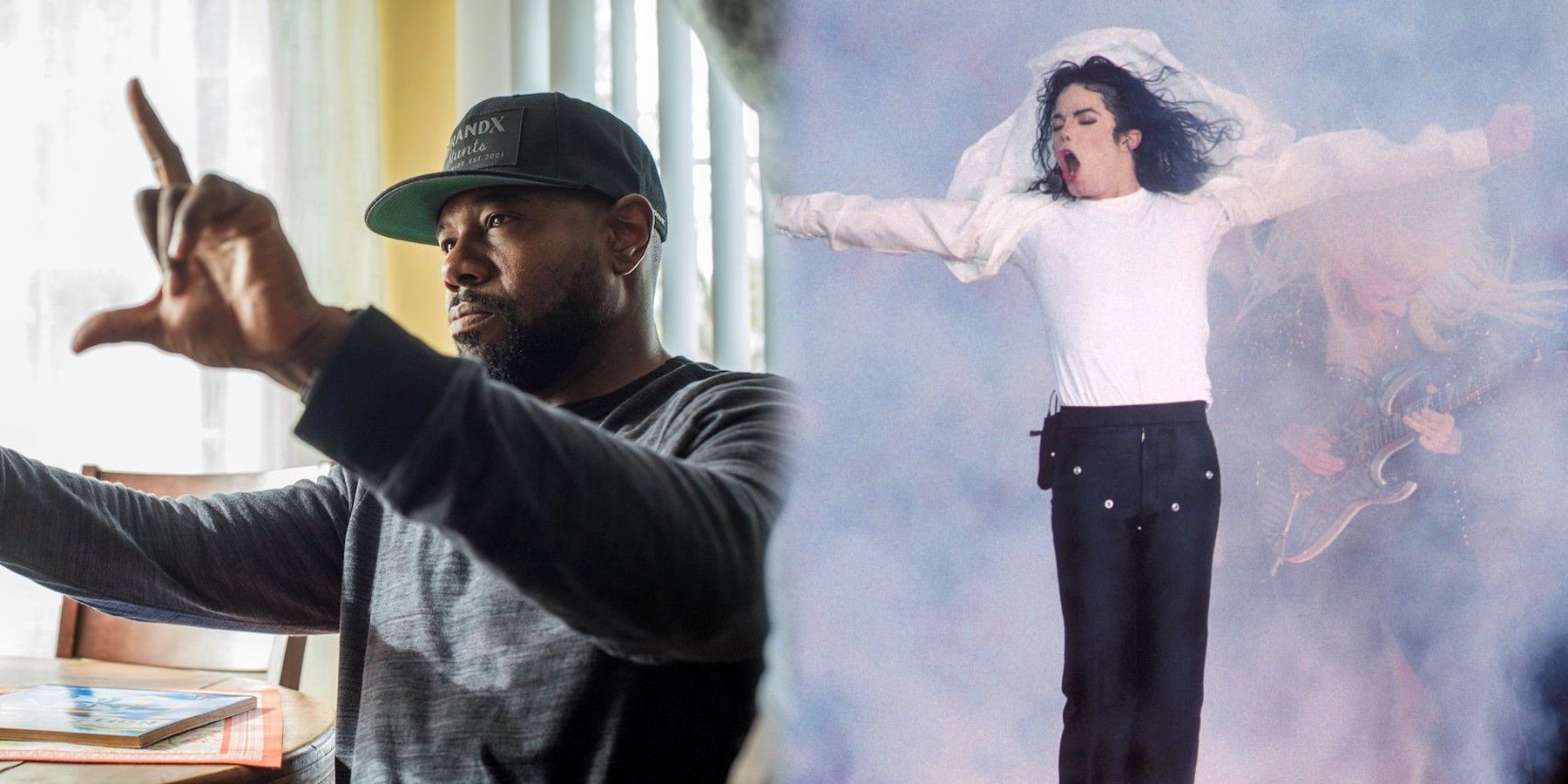
According to verified reports, the biopic does not address the 1993 and 2005 criminal cases where Jackson was accused of molesting minors, despite these events being central to understanding his cultural impact and the controversies surrounding his fame. The Washington Post noted that the film’s narrative chooses to emphasize Jackson’s artistic contributions while sidestepping the legal battles and accusations that led to intense media scrutiny and divided public opinion.
Antoine Fuqua, the film’s director, has defended this approach in interviews, stating that the movie was intended as a celebration of Jackson’s music and artistry rather than a comprehensive examination of his personal life. In a Variety interview, Fuqua explained that the film’s focus was on Jackson’s creative process and performances, aiming to highlight what he described as the artist’s enduring influence on global music and dance.
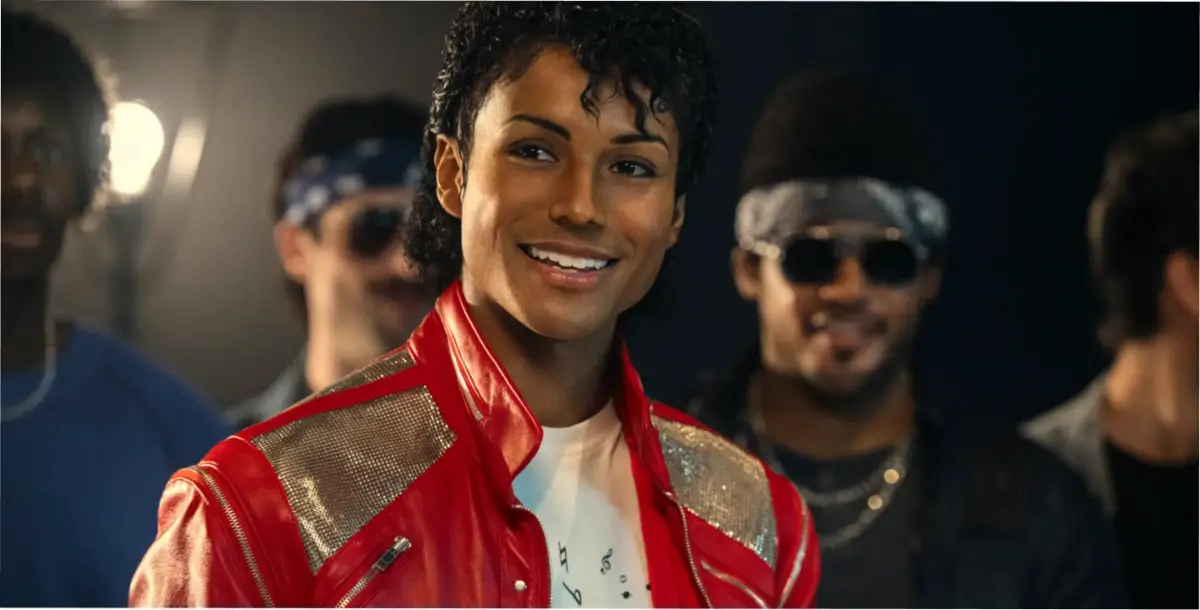
However, this selective storytelling has drawn sharp criticism from advocacy groups and journalists who argue that omitting the allegations fails to provide necessary context for understanding Jackson’s full legacy. The Hollywood Reporter noted that the biopic’s portrayal risks presenting a one-dimensional view that neglects the experiences of those who have accused Jackson of misconduct, many of whom have maintained their allegations despite the singer’s acquittal in 2005 and his death in 2009.
La Toya Jackson, Michael’s sister, has publicly commented on the film’s omissions, explaining in a Yahoo News interview that certain family members, including Janet Jackson, were not included in the biopic due to creative decisions about narrative focus. She stated that the filmmakers chose to center the story on specific periods of Michael’s life and career, which necessitated leaving out some familial relationships and personal details.
The controversy surrounding the film reflects broader debates about how to portray complex public figures whose artistic achievements coexist with serious personal allegations. As director Dan Reed of the documentary “Leaving Neverland” observed in The Hollywood Reporter, public opinion on Jackson remains deeply divided, with many fans continuing to celebrate his music while others believe the allegations warrant a more critical reassessment of his legacy.
Despite the film’s commercial release and audience reception, questions persist about whether a biopic can truly capture the full scope of an artist’s life when significant controversies are excluded from the narrative. Critics maintain that any honest portrayal of Michael Jackson must grapple with both his unparalleled contributions to music and the serious accusations that have followed him throughout his life and beyond.
Director’s Defense of the Film’s Approach
Antoine Fuqua has consistently maintained that his intention with the Michael Jackson biopic was not to create a definitive legal or moral judgment on the allegations, but rather to explore the artist’s relationship with his craft. In multiple interviews, Fuqua has emphasized that the film seeks to understand what drove Jackson’s relentless pursuit of musical perfection and how his childhood experiences shaped his artistic vision.
The director has pointed to Jackson’s own statements about his dedication to his work, noting that the singer often described music as his refuge and primary means of expression. Fuqua argues that by focusing on this aspect of Jackson’s life, the film offers insight into the motivations behind his unprecedented success in the music industry, including record-breaking album sales and groundbreaking music videos that transformed MTV and popular culture.
Fuqua has also noted that the film includes depictions of Jackson’s philanthropic efforts, such as his support for children’s hospitals and humanitarian causes, which he believes are essential components of understanding the artist’s complex character. However, critics counter that these positive elements cannot be separated from the allegations without creating a misleading impression of Jackson’s overall legacy.
The debate over the film’s approach highlights the challenges inherent in biographical storytelling when subjects are associated with both extraordinary talent and serious misconduct allegations. As The Atlantic observed in its review, biopics often face the difficult task of balancing artistic celebration with historical accountability, particularly when the subject’s personal life remains contested long after their death.
Public Reaction and Ongoing Discourse
Audience reactions to the Michael Jackson biopic have been mixed, reflecting the polarized views that have surrounded the artist for decades. While some viewers have praised the film’s musical sequences and performances, others have expressed disappointment that it does not engage more directly with the allegations that have shaped Jackson’s public image since the 1990s.
Social media discussions following the film’s release have revealed a clear split in opinions, with many fans defending Jackson’s artistic legacy and calling for separation between his art and personal life, while others argue that the allegations cannot be ignored when assessing his overall impact. This division mirrors broader societal debates about how to evaluate the work of artists accused of serious misconduct.
Media analysts have noted that the film’s reception underscores the ongoing difficulty in reaching a consensus about Michael Jackson’s place in cultural history. Unlike figures whose controversies are largely settled through legal proceedings or historical consensus, Jackson’s case remains actively contested, with modern documentaries, interviews, and investigative reports periodically renewing public scrutiny.
The absence of a definitive resolution to the allegations against Jackson means that artistic portrayals of his life will likely continue to provoke debate about what constitutes a fair and complete representation. As long as questions remain about the veracity of the accusations and the appropriate response to them, biopics and documentaries about Jackson will face the challenge of navigating between artistic appreciation and ethical responsibility.
For now, the film stands as one interpretation of Jackson’s life — one that prioritizes his musical achievements while leaving significant aspects of his personal story unexplored. Whether future projects will capture a different approach remains uncertain, but the current biopic has undeniably contributed to the ongoing conversation about how to remember one of the most influential and controversial figures in modern music history.