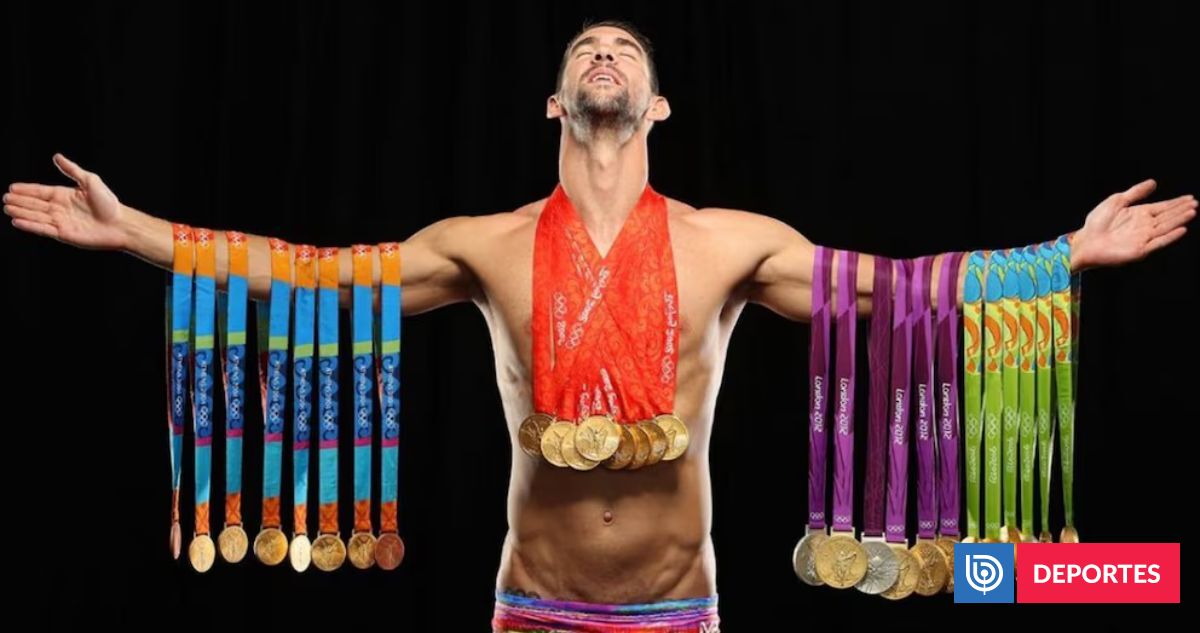
Lisbon, Portugal – Michael Phelps, the most decorated Olympian of all time, continues to captivate the world, not with record-breaking swims, but with a raw and honest account of his struggles with mental health. Beyond the 28 Olympic medals and the moniker “The Baltimore Bullet,” Phelps is revealing a deeply personal journey marked by years of battling depression and a disconnect from his own identity. His recent openness on the WHOOP Podcast has sparked a wider conversation about the pressures faced by elite athletes and the importance of prioritizing mental well-being.
For decades, Phelps projected an image of unwavering strength and dominance in the pool. However, he now admits that this persona masked a profound internal struggle. He describes a period where he felt unable to recognize himself outside of his athletic achievements, viewing himself merely as a collection of medals and records rather than a complete human being. This disconnect, coupled with the intense demands of competitive swimming, took a significant toll on his mental health. The athlete’s willingness to share these vulnerabilities is resonating with many, offering a powerful message of hope and encouraging others to seek help when needed.
The Weight of Expectation and the Search for Identity
Phelps’s journey began with a therapeutic connection to the water, a place where he could locate solace and silence. As he explained in the WHOOP Podcast, swimming allowed him to escape into his own thoughts, providing a form of therapy that quieted the noise of the outside world. WHOOP reports that he described this as a space where he felt “free,” a sanctuary from the pressures of competition and public scrutiny. However, as his success grew, so did the expectations, creating a cycle of performance anxiety and self-doubt.
The pressure to win, to constantly outperform, became all-consuming. Phelps acknowledged that he thrived on competition, stating, “I wanted to win every single time I got in the pool.” But this relentless pursuit of victory came at a cost. He confessed to struggling with recognizing himself outside of his athletic identity, a feeling of being defined solely by his accomplishments. “During my career, I would look in the mirror and see someone with goggles and a cap, not a person with a beard, ponytail, and the grays that are coming in,” he shared. “That is to say, I didn’t see someone with emotions. I saw the guy who won a few golds and broke a few world records, I never saw myself as a human being.” This realization underscores the isolating nature of elite athletic performance and the challenges athletes face in maintaining a sense of self beyond their sport.
A Future Without the Pool for His Children
The emotional toll of his career has led Phelps to a profound decision regarding his own children. He has expressed a desire to shield them from the intense pressures and potential suffering he experienced. “I don’t seek my kids to swim, I don’t want them to go through what I went through for over 20 years with the US team… Now I like how I am,” he stated, according to reports. This statement reflects a deep understanding of the sacrifices and mental health risks associated with pursuing a career at the highest level of competitive swimming. It’s a testament to his commitment to prioritizing his children’s well-being over continuing a family legacy in the sport.
Phelps’s openness about his struggles is part of a growing trend of athletes speaking out about mental health. He revealed that he is part of a private chat group with other public figures, including actor Dwayne “The Rock” Johnson, where they can share their experiences and offer support. A YouTube video featuring Phelps discussing this on the WHOOP Podcast highlights the importance of community and connection in navigating mental health challenges. He emphasized the importance of self-care, stating, “I’ve learned that it’s okay not to be okay, because my journey with mental health is never over, but taking care of yourself is a win.”
Concerns About the Future of US Swimming
Beyond his personal journey, Phelps similarly expressed concerns about the current state of American swimming. He voiced pessimism about the US team’s prospects at the 2028 Los Angeles Olympics, suggesting that other nations have closed the gap in competitive performance. “We’ve been dominant for decades, but the rest of the world has caught up,” he noted. “Australia is on every podium… And many train in the United States. I hope something changes before Los Angeles 2028, because we’re already late.” This assessment underscores the need for investment and innovation within the US swimming program to maintain its competitive edge on the global stage.
Phelps’s comments reflect a broader trend in international sports, where countries like Australia are increasingly challenging the traditional dominance of the United States. Australia has seen significant success in recent Olympic and World Championship events, demonstrating a commitment to developing a strong swimming program. The fact that many international athletes train in the United States highlights the quality of American facilities and coaching, but also suggests that other nations are actively seeking to replicate that success.
Key Takeaways
- Vulnerability as Strength: Michael Phelps’s openness about his struggles with depression challenges the traditional image of athletes as invulnerable.
- Prioritizing Mental Health: Phelps’s decision not to encourage his children to pursue swimming underscores the importance of prioritizing mental well-being over athletic achievement.
- The Need for Support: His participation in a support group with other public figures highlights the value of community and connection in navigating mental health challenges.
- Shifting Global Landscape: Phelps’s concerns about the future of US swimming reflect a changing dynamic in international competition.
Michael Phelps’s story is a powerful reminder that even the most decorated athletes are human beings with vulnerabilities and struggles. His willingness to share his experiences is not only inspiring but also crucial in breaking down the stigma surrounding mental health. As the world prepares for the 2028 Los Angeles Olympics, the conversation surrounding athlete well-being will undoubtedly continue to gain momentum, fueled by the courage of individuals like Phelps who are willing to speak their truth. The next major development to watch will be the implementation of any new mental health support programs within USA Swimming in the lead-up to the 2028 Games. Readers are encouraged to share their thoughts and experiences in the comments below.
Related reading