The Invisible Tide: Unraveling the Complex Chemistry of Microplastic Degradation in Aquatic Environments
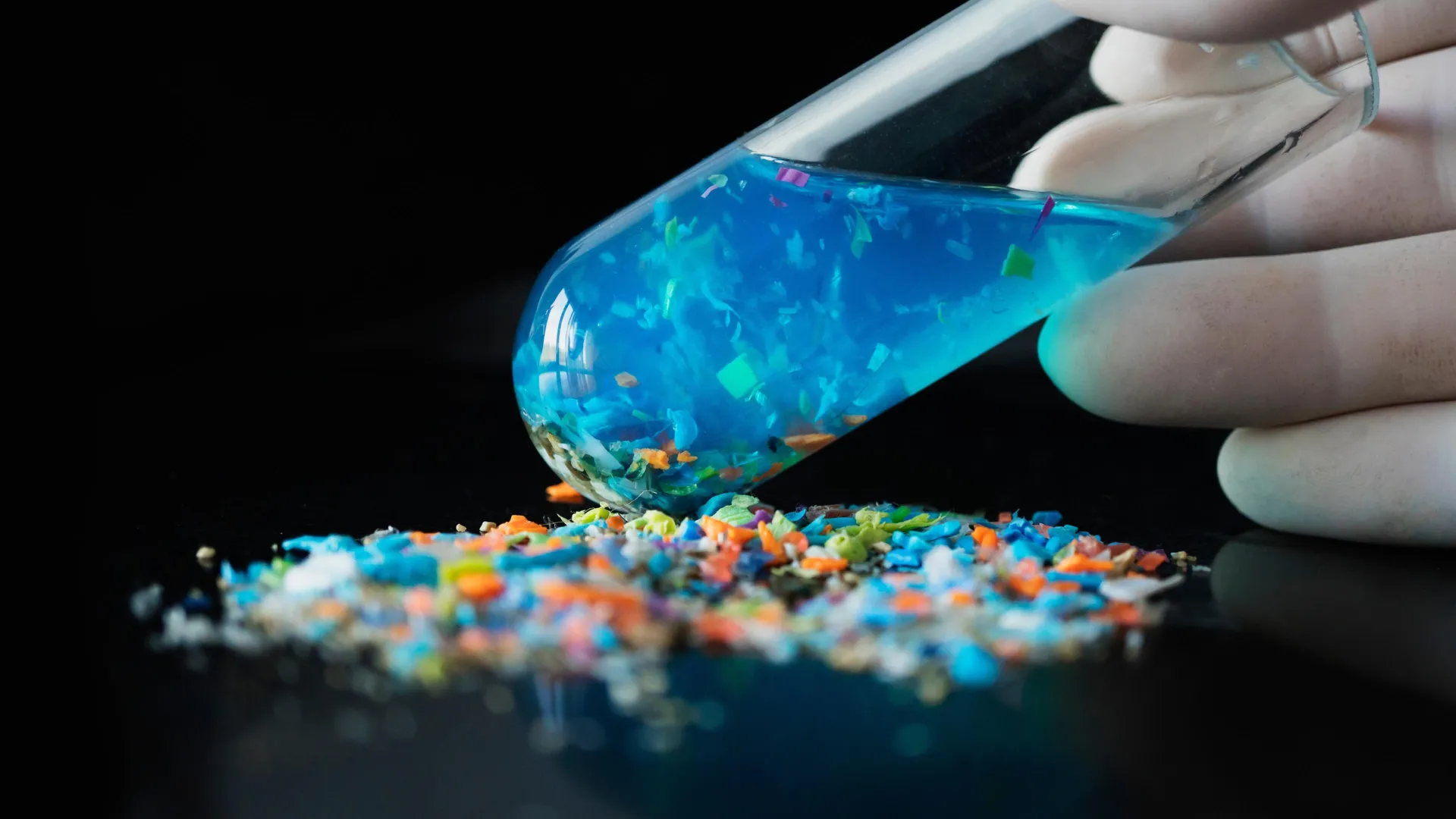
Microplastic pollution is increasingly recognized as a pervasive threat to aquatic ecosystems. However, the danger extends far beyond the visible presence of plastic particles.Emerging research reveals a significant, and often overlooked, outcome of microplastic fragmentation: the continuous release of dissolved organic matter (MPs DOM) – a complex cocktail of chemicals that fundamentally alters the aquatic environment. A recent study, published in New Contaminants, provides the most detailed molecular-level understanding to date of how MPs DOM forms, evolves under natural conditions, and poses escalating risks to ecosystem health. This analysis draws upon years of experience in environmental chemistry and contaminant tracking, highlighting the urgent need for a holistic approach to plastic pollution management.
For decades, the focus has been on the physical impact of plastic debris. However, plastics aren’t inert; they leach chemicals throughout thier lifecycle, a process dramatically accelerated by exposure to sunlight. This new research,conducted by a team at Northeast Normal University,meticulously examined the chemical signatures released by four common plastic types – polyethylene (PE),polyethylene terephthalate (PET),polylactic acid (PLA),and polybutylene adipate co-terephthalate (PBAT) – comparing them to naturally occurring dissolved organic matter (DOM) found in river systems. Utilizing a sophisticated suite of analytical techniques, including kinetic modeling, fluorescence spectroscopy, high-resolution mass spectrometry, and infrared analysis, the team demonstrated that each plastic type releases a unique chemical profile, one that dynamically shifts as the plastic surface degrades under solar radiation.
Sunlight: The Primary Driver of Chemical Release
The study unequivocally establishes sunlight as the dominant force driving the release of dissolved organic carbon from microplastics. Exposure to ultraviolet (UV) light, mimicking natural sunlight, significantly increased the rate of chemical leaching across all tested plastics. notably, plastics marketed as “biodegradable” – PLA and PBAT - exhibited the highest release rates, a finding consistent with their inherently less stable chemical structures. this challenges the assumption that biodegradability automatically equates to environmental benignity; while these plastics may break down faster, they together release a larger volume of possibly harmful chemicals.
Crucially, the research identified the release process as following “zero order” kinetics. This means the rate of release is governed by physical and chemical limitations at the plastic surface rather than the concentration of dissolved material in the surrounding water.This is a critical finding, suggesting that even in highly saturated environments, the continuous breakdown of the plastic surface will continue to drive chemical release. Under UV exposure, film diffusion was identified as the primary limiting factor, highlighting the importance of surface area and plastic morphology in controlling the leaching process.
A Complex Chemical Landscape
The resulting MPs DOM is far from a simple mixture. Detailed chemical analyses revealed a diverse array of molecules originating from plastic additives, monomers, oligomers, and fragments generated through photo-oxidation. Plastics containing aromatic structures, like PET and PBAT, produced particularly complex mixtures, indicating a greater potential for the formation of a wider range of potentially bioactive compounds.
As weathering progressed, a consistent trend emerged: an increase in oxygen-containing functional groups – alcohols, carboxylates, ethers, and carbonyls. This change suggests the formation of more polar, and potentially more reactive, compounds. The detection of phthalates, known endocrine disruptors, further underscores the potential for adverse ecological effects, given their relatively weak bonding within the plastic matrix.
Perhaps most strikingly,fluorescence measurements revealed that MPs DOM bears a closer resemblance to organic matter produced by microbial activity than to naturally occurring DOM derived from terrestrial sources. This divergence from natural organic matter composition has profound implications for aquatic food webs and biogeochemical cycles. The shifting balance of protein-like, lignin-like, and tannin-like substances, dependent on plastic type and sunlight exposure, further complicates the picture.
Ecological Implications and Future Directions
The changing chemical composition of MPs DOM presents a multifaceted threat to aquatic ecosystems. The small, biologically accessible molecules released can stimulate or suppress microbial growth, disrupt essential nutrient cycles, and interact with existing pollutants, potentially altering their toxicity and transport. Previous research has already demonstrated the capacity of MPs DOM to generate reactive oxygen species, influence disinfection byproduct formation in drinking water, and alter pollutant partitioning.
As co-author Shiting Liu aptly points out, this research underscores the necessity of considering the entire lifecycle of microplastics, including the often-invisible chemical consequences of their degradation. With global plastic production continuing its upward trajectory, the environmental meaning of these dissolved compounds is only expected to grow.
Looking forward, the researchers advocate for the application of machine learning tools to predict the behavior of MPs DOM in natural waters. Such predictive models are crucial for refining risk assessments related to ecosystem health, pollutant transport, and carbon cycling.Though, technological solutions alone are insufficient. The authors rightly emphasize the critical need for stricter regulation of microplastic input into rivers and oceans.
Ultimately, a comprehensive understanding of MPs DOM – its formation, evolution, and ecological impacts – is paramount to mitigating the long-term environmental consequences of plastic pollution. This research represents a significant step
Keep reading