
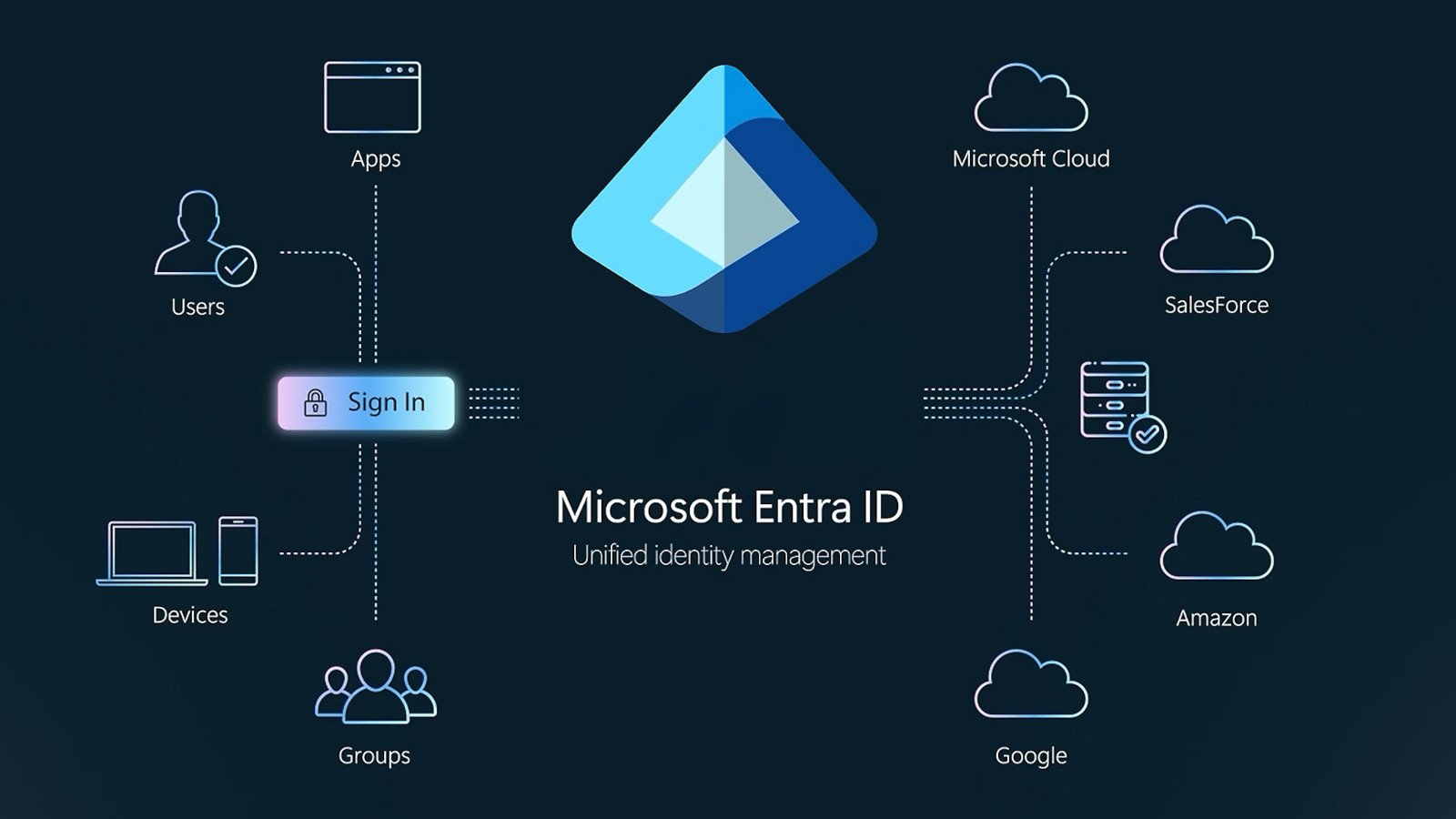
Critical Azure AD Vulnerability Enabled Full Account Takeover – and Went Undetected
A recently discovered and now-patched vulnerability in Microsoft Azure Active Directory (Azure AD) allowed attackers to gain complete control of targeted tenant environments, including the highly privileged Global Administrator role, without triggering security alerts. This critical flaw, tracked as CVE-2025-55241, underscores the importance of robust security monitoring and proactive vulnerability management within your cloud infrastructure.
How the Attack Worked
The vulnerability centered around the impersonation of users within a tenant. Here’s a breakdown of the steps an attacker could take:
* First, attackers generated a unique “actor token” from a tenant thay already controlled.
* Then, they identified the target tenant’s ID using publicly available APIs based on the organization’s domain name.
* Next, they needed a valid user ID (netId) within the target tenant.
* Later, they crafted a malicious impersonation token using their actor token, the target tenant ID, and the victim user’s netId.
* After that, they listed all Global Administrators within the tenant and obtained their respective netIds.
* they crafted another impersonation token, this time for a Global Administrator, and used it to perform actions via the Azure AD Graph API.
Crucially, none of these steps – except the final action using the Global Administrator token – generated any logs within the victim’s tenant.This allowed attackers to operate with near-complete stealth.
What Could Attackers Do With Global Admin Access?
Gaining global Administrator privileges is the highest level of control within an Azure AD tenant. With this access, an attacker could:
* Manage and create user accounts with any role.
* Modify critical configurations.
* Reset passwords for any user, including other administrators.
* Add additional administrators to the tenant, further solidifying their control.
The Role of the Azure AD Graph API
the attack leveraged the Azure AD graph API, a legacy Microsoft API for managing azure AD resources. While Microsoft began deprecating this API in September of last year, and warned of complete shutdown in early September 2025 for those still using extended access, it remained a viable attack vector until recently.
Rapid Response and Patching
The vulnerability was reported to Microsoft on July 14th, and the company swiftly addressed the issue, confirming a resolution nine days later. Microsoft officially patched CVE-2025-55241 on September 4th, mitigating the risk.
What You Need to Do Now
* Ensure you are up-to-date with the latest security patches for Azure AD. Applying the September 4th patch is critical.
* Migrate away from the azure AD Graph API. If your applications still rely on this API,prioritize migrating to the Microsoft Graph API quickly.
* Review your security logs. While this specific attack was designed to evade logging, regularly reviewing your Azure AD audit logs is a best practice for detecting anomalous activity.
* Implement robust identity and access management (IAM) controls. This includes multi-factor authentication (MFA) for all users, especially administrators, and the principle of least privilege - granting users only the access they need to perform their jobs.
* Consider advanced threat detection solutions. These solutions can help identify and respond to complex attacks that may bypass traditional security measures.
This vulnerability serves as a stark reminder that even cloud environments require diligent security practices. Proactive monitoring, rapid patching, and a strong IAM framework are essential for protecting your organization from evolving threats.





