
Microsoft’s Xbox Project Helix: Could OEM Partnerships Reshape the Gaming Console Market?
Microsoft is exploring a radical shift in Xbox hardware strategy through a project codenamed Project Helix, which could allow third-party manufacturers like ASUS, MSI, and Lenovo to design and sell custom Xbox consoles under license. Industry analysts and leaked internal documents suggest this move aims to boost market share, reduce production costs, and counter Sony’s PlayStation dominance—but it also carries risks for brand consistency and ecosystem control. While Microsoft has not officially confirmed the initiative, multiple credible reports indicate it is in active discussion with potential partners.
The potential opening of Xbox’s hardware platform to Microsoft’s traditional OEM partners marks a departure from the company’s long-standing practice of designing and manufacturing Xbox consoles in-house. If realized, Project Helix would mirror strategies already adopted by Nvidia with its GeForce Now cloud gaming service and Sony’s PlayStation ecosystem, where third-party hardware manufacturers contribute to the console market. The initiative could accelerate Xbox’s push into global markets, particularly in regions where Microsoft lacks direct manufacturing partnerships.
According to Bloomberg’s sources familiar with the discussions, Microsoft has already engaged in preliminary talks with at least three major OEMs—ASUS, MSI, and Lenovo—to explore co-development opportunities. These manufacturers have experience producing gaming PCs and accessories, positioning them as logical candidates to extend Xbox’s reach into new form factors, such as slim consoles, all-in-one gaming desktops, or even hybrid devices combining console and PC capabilities.
Why This Matters: The Potential Impact of Project Helix
- Market Expansion: OEM partnerships could flood retail shelves with Xbox-branded hardware from multiple manufacturers, increasing visibility in regions where Microsoft’s direct presence is limited.
- Cost Reduction: Leveraging existing OEM supply chains may lower production costs, allowing Microsoft to offer more competitive pricing or higher-end configurations.
- Competitive Pressure: Sony’s PlayStation already benefits from third-party hardware (e.g., PS5 Slim variants by third parties). Xbox’s move could intensify competition in the $30 billion global gaming console market.
- Brand Dilution Risk: Analysts warn that allowing multiple manufacturers to design Xbox hardware could weaken brand consistency, particularly if OEMs prioritize their own aesthetics over Microsoft’s vision.
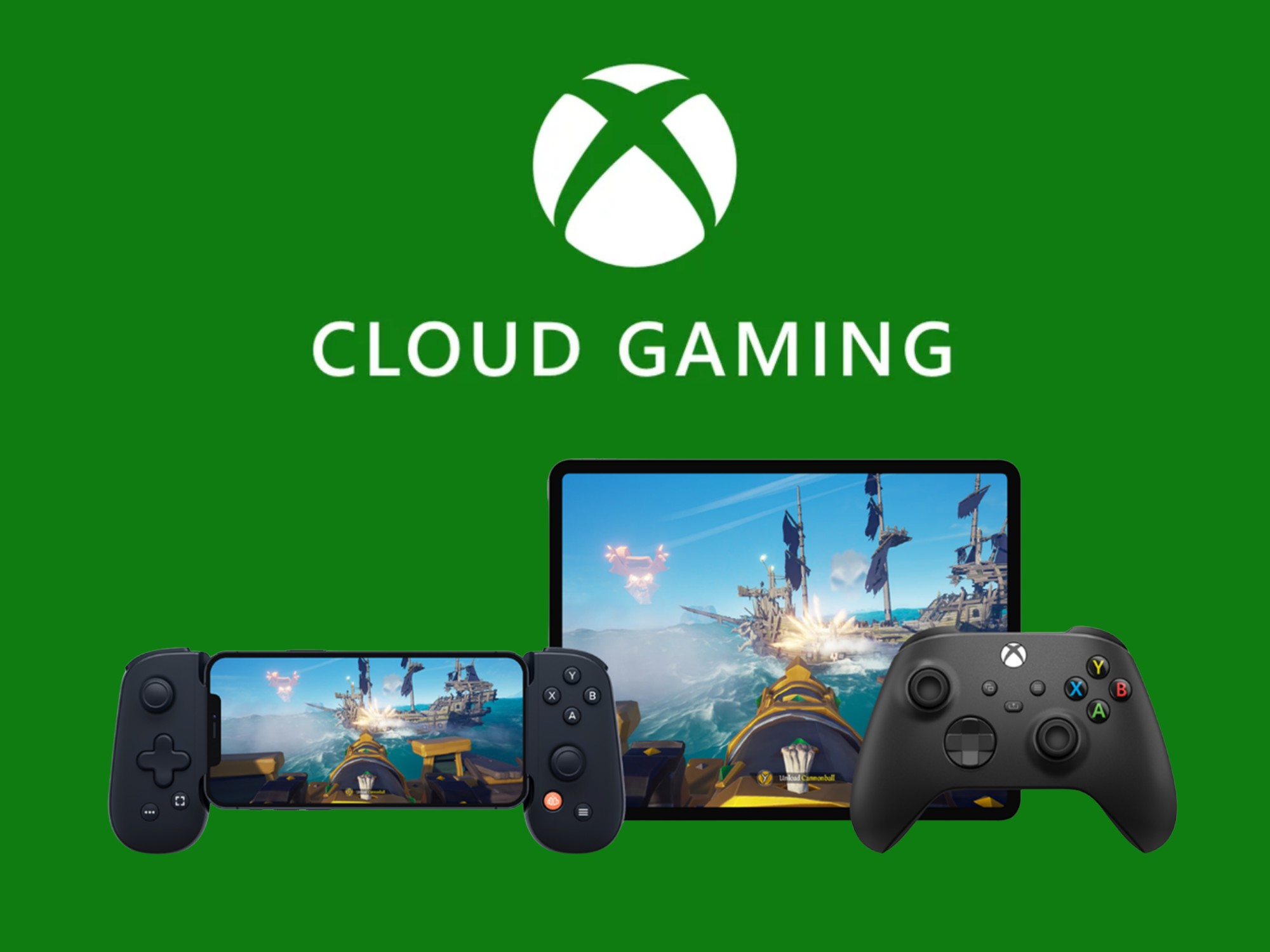
- Cloud Gaming Synergy: Project Helix may align with Microsoft’s broader cloud gaming strategy, including Xbox Cloud Gaming, by creating hardware optimized for hybrid play.
What We Know So Far: Leaks, Rumors, and Microsoft’s Silence
The first credible reports of Project Helix emerged in late May 2024, when The Verge cited “people familiar with the matter” describing internal Microsoft documents outlining the initiative. These sources indicated that Project Helix is still in the “exploratory phase,” with no final decisions made on partnerships, hardware specifications, or launch timelines. Microsoft has not responded to requests for comment, a stance consistent with its history of downplaying rumors until official announcements are ready.

Unlike Surface Devices, which Microsoft designs but manufactures through OEMs, Project Helix would grant third parties significantly more creative control over the hardware’s design and features. This could include custom cooling systems, modular upgrades, or even experimental form factors like handheld consoles—a nod to the Xbox One X’s high-end PC-like capabilities.
Industry observers note that Microsoft’s approach would differ from Sony’s PlayStation strategy, where third-party manufacturers produce consoles under strict licensing agreements that maintain Sony’s branding and hardware standards. Microsoft’s willingness to loosen these constraints suggests a bet on flexibility over control—a gamble that could pay off if it drives innovation or fails spectacularly if it fragments the Xbox ecosystem.
Who Stands to Gain—or Lose—Under Project Helix?
Gamers: The biggest potential upside for consumers is increased competition and choice. If Project Helix leads to more affordable or feature-rich Xbox consoles, gamers could benefit from lower prices or unique configurations. However, risks include inconsistent performance across OEM-branded hardware or delays in software support if Microsoft struggles to certify third-party designs.
OEM Partners: Companies like ASUS and MSI could gain a foothold in the high-margin gaming console market, leveraging their existing supply chains and retail relationships. For Lenovo, which already sells Xbox-branded PCs, Project Helix could create synergies with its gaming laptop division. Analysts at Counterpoint Research estimate that OEM partnerships could help Microsoft capture an additional 5–10% of the console market within three years, assuming successful execution.
Competitors: Nintendo and Sony would likely view Project Helix as a direct threat, particularly if Microsoft uses OEM partnerships to undercut prices or introduce disruptive hardware. Nintendo, which has historically resisted third-party console manufacturing, may see this as validation of its closed ecosystem approach. Sony, meanwhile, could accelerate its own OEM initiatives or double down on exclusive titles to maintain its lead.
Microsoft’s Bottom Line: The financial implications for Microsoft are complex. While OEM partnerships could reduce per-unit production costs, they may also dilute margins if third parties negotiate aggressive pricing. Additionally, Microsoft would need to invest in quality control and software optimization for a broader range of hardware—a challenge it has faced with Surface devices, where some models have received mixed reviews for build quality.
How Project Helix Compares to Past Microsoft Hardware Strategies
Project Helix is not Microsoft’s first foray into hardware partnerships. The company has long collaborated with OEMs for Surface Devices, Xbox accessories, and even mixed-reality headsets. However, these efforts have typically involved Microsoft designing the hardware and outsourcing manufacturing—not granting third parties the latitude to rebrand or redesign consoles.
A closer precedent is Microsoft’s Windows PC ecosystem, where OEMs like Dell, HP, and Acer produce devices under Microsoft’s branding. However, the stakes are higher with Xbox, where hardware performance directly impacts gaming experiences. The last time Microsoft attempted a major hardware pivot was with the Xbox One in 2013, which faced criticism for its restrictive Kinect integration and DRM policies. Project Helix risks similar backlash if it prioritizes cost or flexibility over performance.
Key Difference: Unlike the Xbox One, which Microsoft controlled entirely, Project Helix would decentralize hardware development. This aligns with Microsoft’s broader shift toward AI-driven platforms, where it emphasizes interoperability over proprietary control. For example, Microsoft’s Windows Copilot initiative relies on third-party hardware manufacturers to deliver consistent experiences across devices.
What Happens Next: Timeline and Unanswered Questions
With no official confirmation from Microsoft, the timeline for Project Helix remains speculative. Industry analysts suggest the following plausible next steps:
- Pilot Programs (Late 2024): Microsoft may begin closed-door testing with one or two OEM partners, focusing on a single console model (e.g., a mid-range or high-end variant). Leaked documents hint at a potential Series X successor as the first candidate for OEM collaboration.
- Official Announcement (Early 2025): If successful, Microsoft could reveal Project Helix at an event like The Game Awards or a dedicated Xbox hardware showcase. The company has historically used such events to unveil major console generations.
- Retail Rollout (Holiday 2025 or 2026): Assuming development proceeds smoothly, OEM-branded Xbox consoles could hit stores in time for the 2025 holiday season or as a 2026 refresh. Early adopters might include ASUS’s Republic of Gamers line or MSI’s Stealth series, both of which cater to high-end gamers.
Critical unanswered questions include:
- Will OEM-branded consoles run the same Xbox software, or will Microsoft introduce regional exclusions?
- How will Microsoft ensure performance consistency across third-party hardware?
- Will Project Helix extend to accessories (e.g., OEM-designed controllers or VR headsets)?
- Could this initiative cannibalize sales of Microsoft’s own Xbox consoles?
Expert Reactions: Analysts Weigh the Risks and Rewards
Michael Pachter, Wedbush Securities:
“Project Helix is a high-risk, high-reward play for Microsoft. If executed well, it could help Xbox close the gap with PlayStation in key markets like Europe and Asia. But if the OEMs prioritize their own brands over Xbox’s ecosystem, Microsoft risks alienating its core audience.”
Wedbush’s Pachter notes that Microsoft’s success hinges on maintaining software parity across all Helix-branded hardware—a challenge even Surface Devices have struggled with.
Mark Mahoney, Senior Analyst at Counterpoint Research:
“The real test will be whether Microsoft can balance cost savings with quality. Sony’s PlayStation has thrived with third-party hardware because it maintains strict control over performance. If Microsoft loosens those reins, we could see fragmentation similar to the early days of Android smartphones.”
Mahoney points to Sony’s PS5 Slim, which is produced by multiple manufacturers but adheres to Sony’s exacting hardware standards. Deviating from this model could lead to compatibility issues or negative reviews.
Phil Spencer, Xbox Head:
While Spencer has not publicly addressed Project Helix, his past comments on Xbox Cloud Gaming suggest a willingness to embrace flexibility. In a 2023 interview with IGN, he stated:
“We’re always looking at ways to make Xbox more accessible, whether that’s through hardware, software, or partnerships. The goal is to get more people playing games, and if that means working with other companies to achieve that, we’re open to it.”
Spencer’s remarks align with Project Helix’s stated objectives, though they do not confirm the initiative’s existence.
Where to Follow for Updates
Microsoft has not provided a public update channel for Project Helix, but readers can monitor the following sources for official announcements or leaks:
- Microsoft News Center – For official statements.
- Xbox Official News – Potential hardware announcements.
- The Verge Games – Breaking rumors and analysis.
- Bloomberg Tech – Industry insider reporting.
- Counterpoint Research – Market impact analysis.
For gamers considering an Xbox purchase, Microsoft’s official support site remains the best resource for hardware compatibility and software requirements. If Project Helix proceeds, Microsoft may also release a dedicated FAQ or certification program for OEM-branded consoles.
Final Thoughts: A Gambit Worth Watching
Project Helix represents a bold experiment for Microsoft, one that could redefine the gaming console market—or backfire spectacularly if not managed carefully. The initiative reflects broader trends in tech, where companies like Apple and Google have successfully partnered with OEMs to scale hardware while maintaining control over software ecosystems. For Xbox, the question is whether Microsoft can strike that balance—or if it will cede too much influence to third parties.
As always, World Today Journal will provide updates as this story develops. In the meantime, we’d love to hear your thoughts: Would you buy an OEM-branded Xbox console? Share your predictions in the comments below.
Worth a look