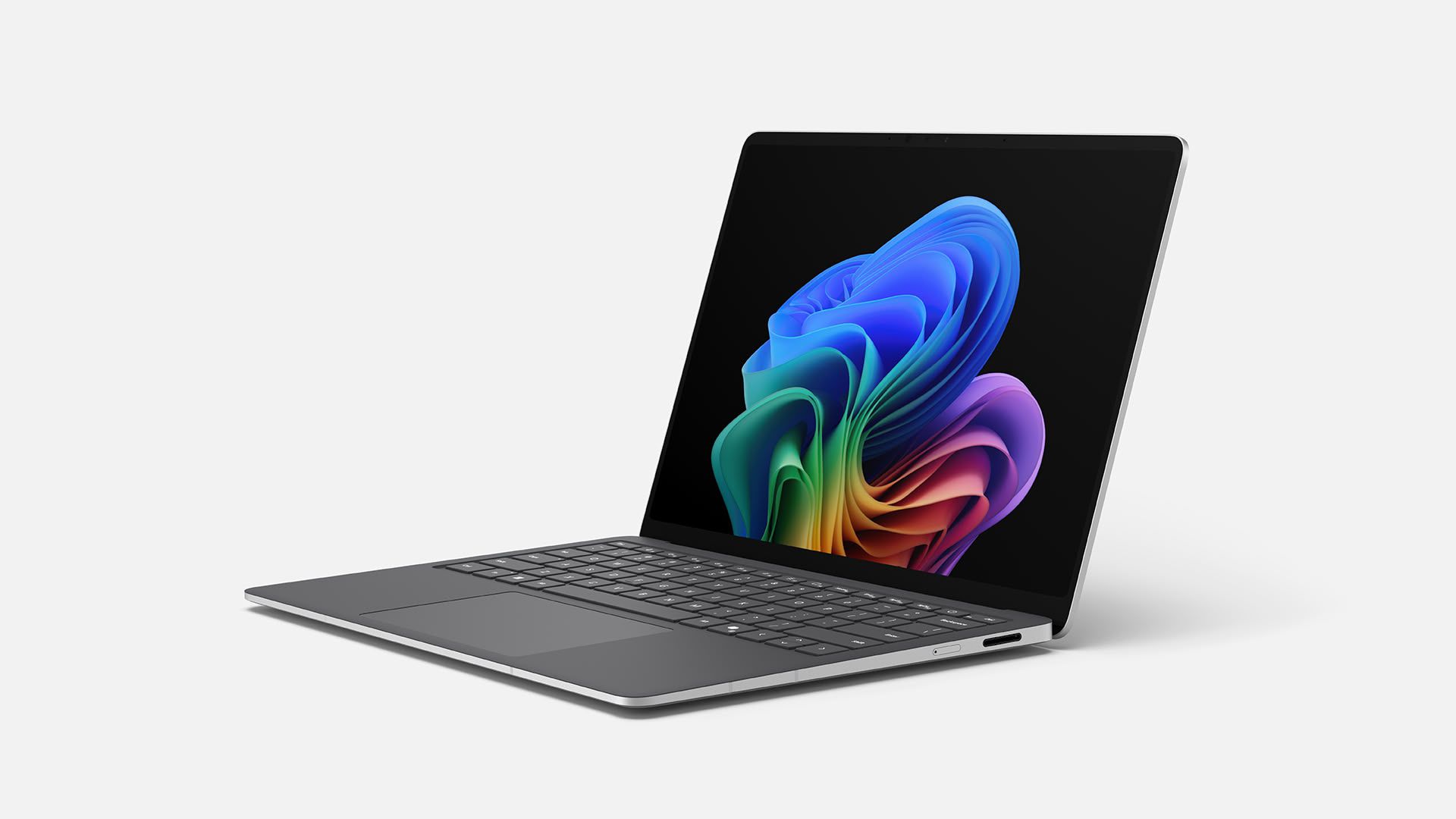
Microsoft has implemented a sweeping series of price hikes across its entire Surface PC portfolio, significantly increasing the cost of entry for its hardware ecosystem. The adjustments, which have already appeared on the Microsoft Store, affect both midrange and flagship devices, with some models seeing price jumps of several hundred dollars compared to their initial launch values.
The decision to raise Microsoft Surface PC prices comes at a precarious time for the company’s hardware competitiveness. Midrange devices now start at above $1,000, whereas flagship models have a new starting price of $1,500 according to Windows Central. These shifts place the Surface line in a more expensive bracket than many equivalent Apple Mac offerings, potentially altering the value proposition for consumers choosing between the two ecosystems.
According to a Microsoft spokesperson, the price updates are a direct response to “recent increases in memory and component costs,” as the company seeks to maintain its standards for innovation and quality despite industry-wide supply chain pressures via Windows Central.
Breakdown of the Surface Price Increases
The impact of these price hikes is felt across the entire range, from the most affordable modern tablets to the highest-end professional laptops. The Surface Pro 12-inch model, previously the most affordable modern option at $799, now starts at $1,049 as reported by Windows Central.
The flagship 13-inch Surface Pro has seen an even more dramatic climb. Originally launching at $999, the model now starts at $1,499. This represents a $500 increase over its 2024 launch price via Windows Central.
The Surface Laptop series follows a similar trajectory:
- 13-inch Surface Laptop: Increased from an $899 starting price to $1,149.
- 13.8-inch Surface Laptop: Increased from a $999 launch price to $1,499.
- 15-inch Surface Laptop: Now starts at $1,599, up from $1,299.
For some of these models, this marks the second time prices have been adjusted since their initial release, with the 13-inch Surface Pro and the 13.8-inch and 15-inch Laptops having already seen price increases in 2025 via Windows Central.
The Global Memory Crisis and AI Demand
The catalyst for these increases is a growing “RAM crisis” impacting the broader electronics industry. A global shortage of memory components has driven up costs for manufacturers, forcing companies like Microsoft to pass those expenses on to the consumer.
The shortage is largely driven by the explosion of artificial intelligence. Chip makers are currently prioritizing memory production for AI data centers, which require massive amounts of high-performance RAM to function. This prioritization has left significantly less manufacturing capacity available for consumer-grade devices, creating a supply-demand imbalance that inflates the cost of components for laptops and tablets according to Windows Central.
Microsoft is not alone in this struggle. Samsung has similarly raised prices for all of its U.S. Tablet offerings and several of its smartphone models in response to these same global memory shortages via Windows Central.
Competitive Impact: Surface vs. Mac
These pricing shifts significantly alter the competitive landscape between Microsoft and Apple. In previous cycles, Microsoft often positioned its Surface hardware as a more affordable alternative to the MacBook line. However, the current price hikes have effectively reversed that dynamic.
For example, the 13.8-inch Surface Laptop 7 (16GB RAM, 256GB storage) was previously $100 cheaper than the 256GB M4 MacBook Air. Following the price increase, it is now $400 more expensive than a 512GB M5 MacBook Air. While Apple also increased the MacBook Air’s price from $999 to $1,099 with the M5 upgrade, that increase was accompanied by an increase in base SSD storage via Windows Central.
At the high end of the spectrum, the gap widens further. A high-end Surface Laptop 7 configured with 64GB RAM and a 1TB SSD is priced at $3,649. This exceeds the cost of a 16-inch M5 Pro MacBook Pro with identical specs (64GB RAM, 1TB SSD), which is priced at $3,300 via Windows Central.
Comparison of Flagship Pricing
| Model / Spec | New Surface Price | Equivalent Mac Price |
|---|---|---|
| Entry-level (Approx.) | $1,049 (Surface Pro 12″) | $1,099 (M5 MacBook Air) |
| Flagship 13″ (Approx.) | $1,499 (Surface Pro 13″) | Variable |
| High-End (64GB/1TB) | $3,649 (Surface Laptop 7) | $3,300 (M5 Pro MacBook Pro) |
What This Means for Future Hardware
The current price increases are likely not a temporary spike. Reports indicate that Microsoft has new Surface PCs scheduled for release later this year, and these upcoming devices are expected to launch with the same higher pricing structures via Windows Central.
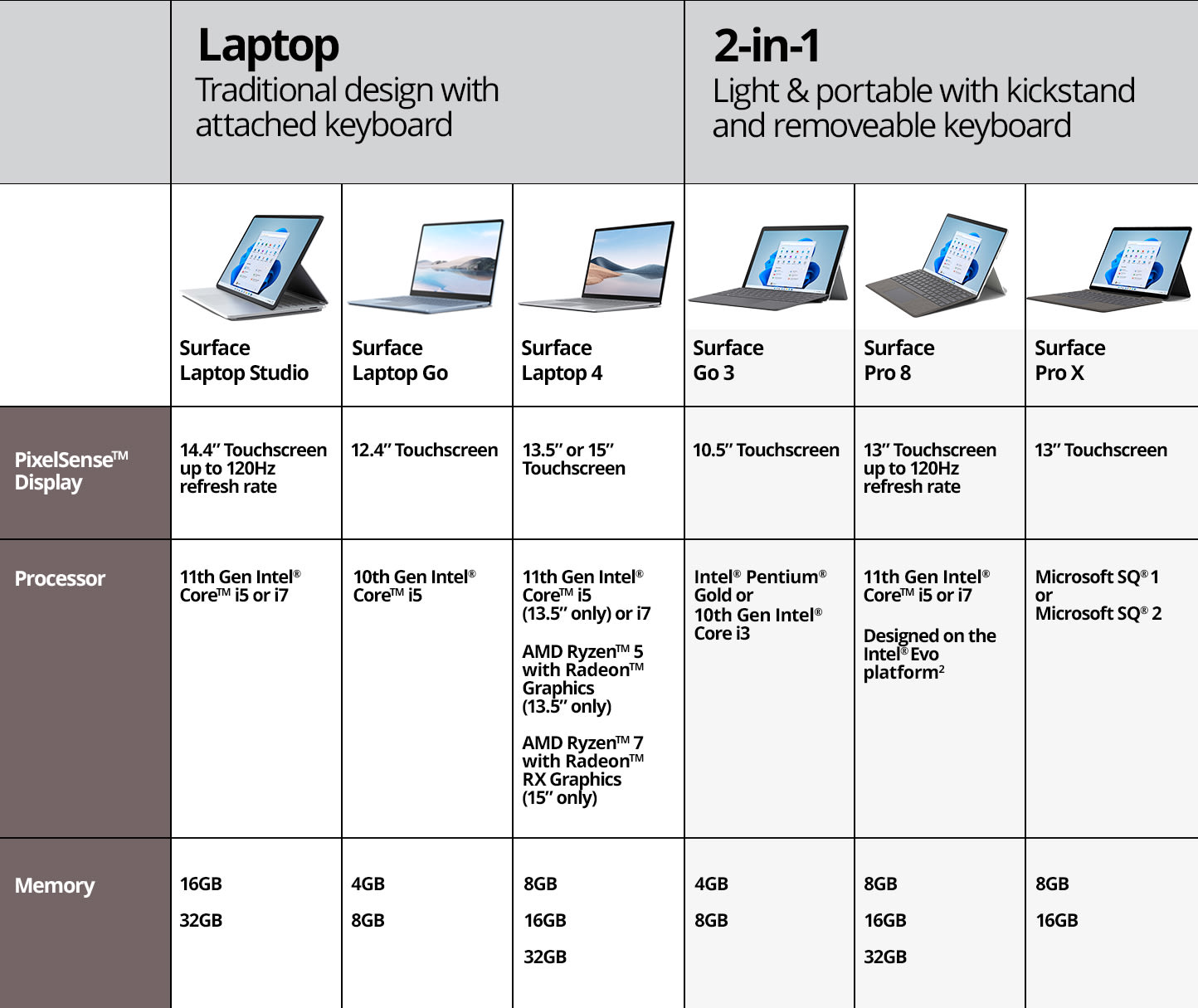
For consumers, this means the “value” segment of the Surface line has effectively vanished. With midrange devices now starting above $1,000, the barrier to entry for Microsoft’s first-party hardware is higher than it has been in years. This may push some users toward third-party Windows OEMs or toward Apple’s ecosystem, where the price-to-performance ratio—particularly regarding the M5 Pro chip’s performance over the Snapdragon X Elite—may now be more attractive via Windows Central.
As the industry continues to grapple with the memory shortage, the cost of consumer electronics will likely remain volatile. The priority given to AI infrastructure suggests that until manufacturing capacity for RAM increases significantly, the “AI tax” will continue to be felt by end-users in the form of higher MSRPs.
Microsoft is expected to reveal further hardware updates later this year. We will continue to monitor official announcements regarding new Surface releases and any potential pricing corrections.
What do you suppose about the new Surface pricing? Does this craft you more likely to consider a Mac or a different Windows laptop? Share your thoughts in the comments below.
Worth a look
- iPhone 18 Pro Price Leak: Will Apple’s Next Flagship Be More Expensive?
- No Public Record of El Salvador President’s Alleged Facebook Claim
- Microsoft Links CaptiveCrunch to Russian Threat Actor Midnight Blizzard (newsdirectory3.com)
- Microsoft Attributes CaptiveCrunch to Russian Threat Actor Midnight Blizzard (archynewsy.com)