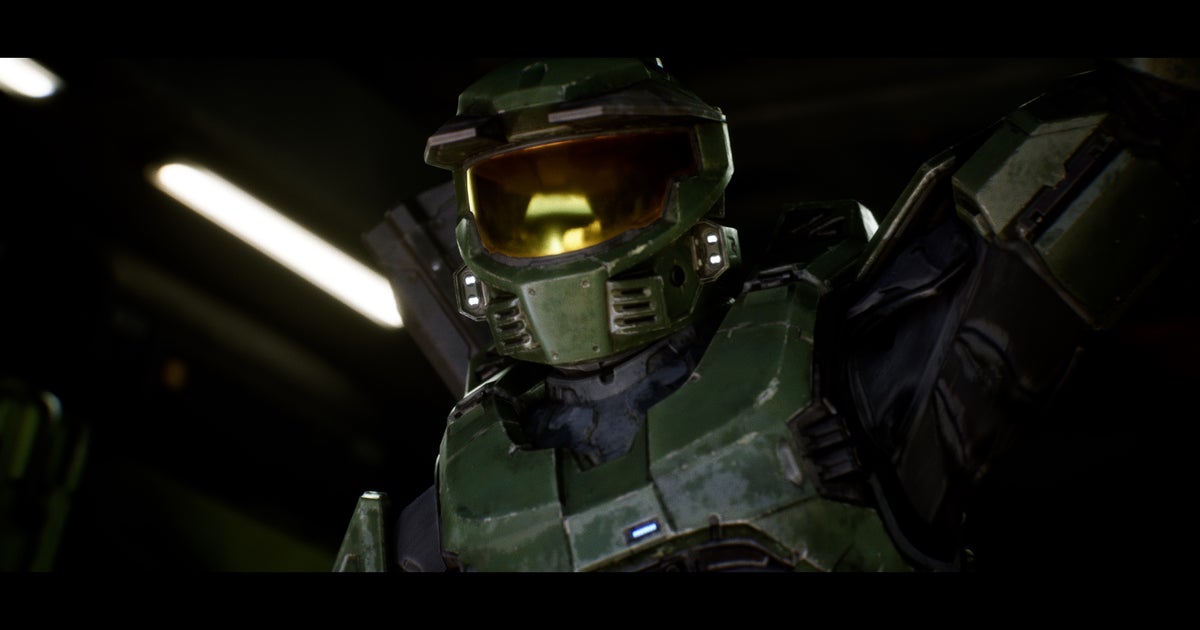
Microsoft is reportedly evaluating the potential of restructuring its gaming division into a wholly-owned subsidiary, a move that would represent a significant shift in the corporate architecture of Xbox. According to industry reports, the company is also looking to accelerate the release schedule of its first-party game titles across multiple platforms. While Microsoft has not issued an official confirmation regarding a formal spin-off, the discussions highlight the firm’s ongoing efforts to streamline its gaming operations following the $68.7 billion acquisition of Activision Blizzard, which was finalized in October 2023 as noted in official Microsoft corporate filings.
For gamers and investors alike, the question of whether Microsoft will restructure Xbox into a standalone entity centers on operational autonomy and market agility. A move to a “wholly-owned subsidiary” structure—similar to how some other major tech conglomerates organize distinct business units—could theoretically allow Xbox to operate with greater independence while remaining under the parent company’s financial umbrella. This strategy is often employed to isolate business risks and sharpen the focus of management teams on specific industry verticals.
Shifting Strategies for First-Party Game Releases
Beyond potential structural changes, the focus on “moving faster” with first-party game releases marks a pivot in Microsoft’s broader multi-platform gaming strategy. Since the acquisition of major studios such as Bethesda Softworks and Activision Blizzard, the pressure to maximize the return on investment through broader distribution has intensified. In early 2024, Microsoft began shifting its approach to platform exclusivity, bringing formerly Xbox-exclusive titles like Hi-Fi Rush, Sea of Thieves, and Pentiment to competitor consoles, including the Nintendo Switch and Sony’s PlayStation 5, as detailed in an official update from Xbox leadership.
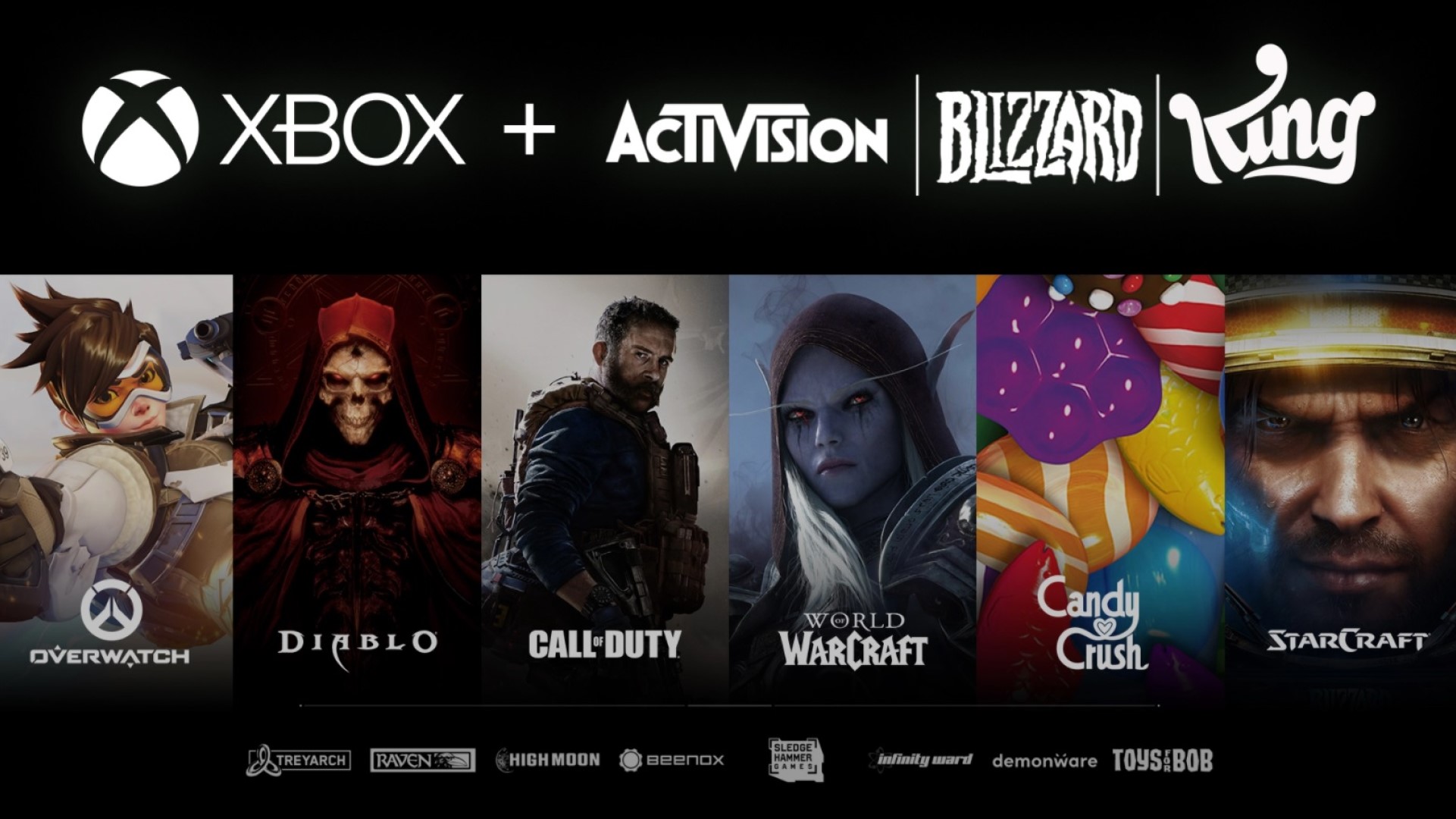
Industry analysts suggest that this acceleration is a response to the changing economics of the gaming industry, where development costs for “AAA” titles have ballooned, often exceeding $200 million for major projects. By increasing the velocity of releases and expanding the footprint of its intellectual property, Microsoft aims to sustain its Game Pass subscription service while simultaneously capturing revenue from players on competing hardware. This dual-pronged approach—maintaining the Xbox console ecosystem while aggressively pursuing software sales elsewhere—appears to be the current blueprint for the company’s gaming division.
Corporate Restructuring and Market Impact
The prospect of a spin-off has fueled speculation about how Microsoft might manage its vast portfolio of gaming assets. Historically, Microsoft has integrated its gaming arm deeply into its Windows and cloud computing infrastructure, particularly through the Azure platform. Decoupling these units into a subsidiary might simplify financial reporting but could also complicate the cross-departmental collaboration that has defined the company’s recent technological advancements in cloud gaming.
Investors often view such restructuring as a way to unlock value or clarify the financial health of a specific division. However, the gaming industry remains highly sensitive to shifts in leadership and strategic focus. As reported by the Financial Times during the lead-up to the Activision merger, the scrutiny from global regulators, including the U.S. Federal Trade Commission (FTC) and the UK’s Competition and Markets Authority (CMA), remains a factor in how Microsoft structures its business to avoid future antitrust concerns. Any formal move to separate Xbox would likely require careful navigation of these existing regulatory frameworks.
What Happens Next for Xbox
As of now, Microsoft has not provided a definitive timeline for any structural changes, and the company’s leadership continues to emphasize the integration of its gaming studios under the Microsoft Gaming banner. The next major checkpoint for investors and fans will be the company’s quarterly earnings reports, where executives often provide updates on divisional performance and long-term organizational goals.
The industry will also be watching for upcoming showcases where Microsoft is expected to detail its updated release roadmap for the remainder of the fiscal year. Whether the reported restructuring remains a speculative internal discussion or evolves into a formal corporate action, it signals that Microsoft is not satisfied with the status quo in a competitive gaming market. Readers interested in the latest official developments can monitor the Microsoft Investor Relations portal for updates on corporate strategy and financial disclosures.
What do you think about the potential for Xbox to become a standalone subsidiary? Share your thoughts in the comments below, and join the conversation on our social media channels to stay informed on the latest developments in the gaming industry.
Worth a look