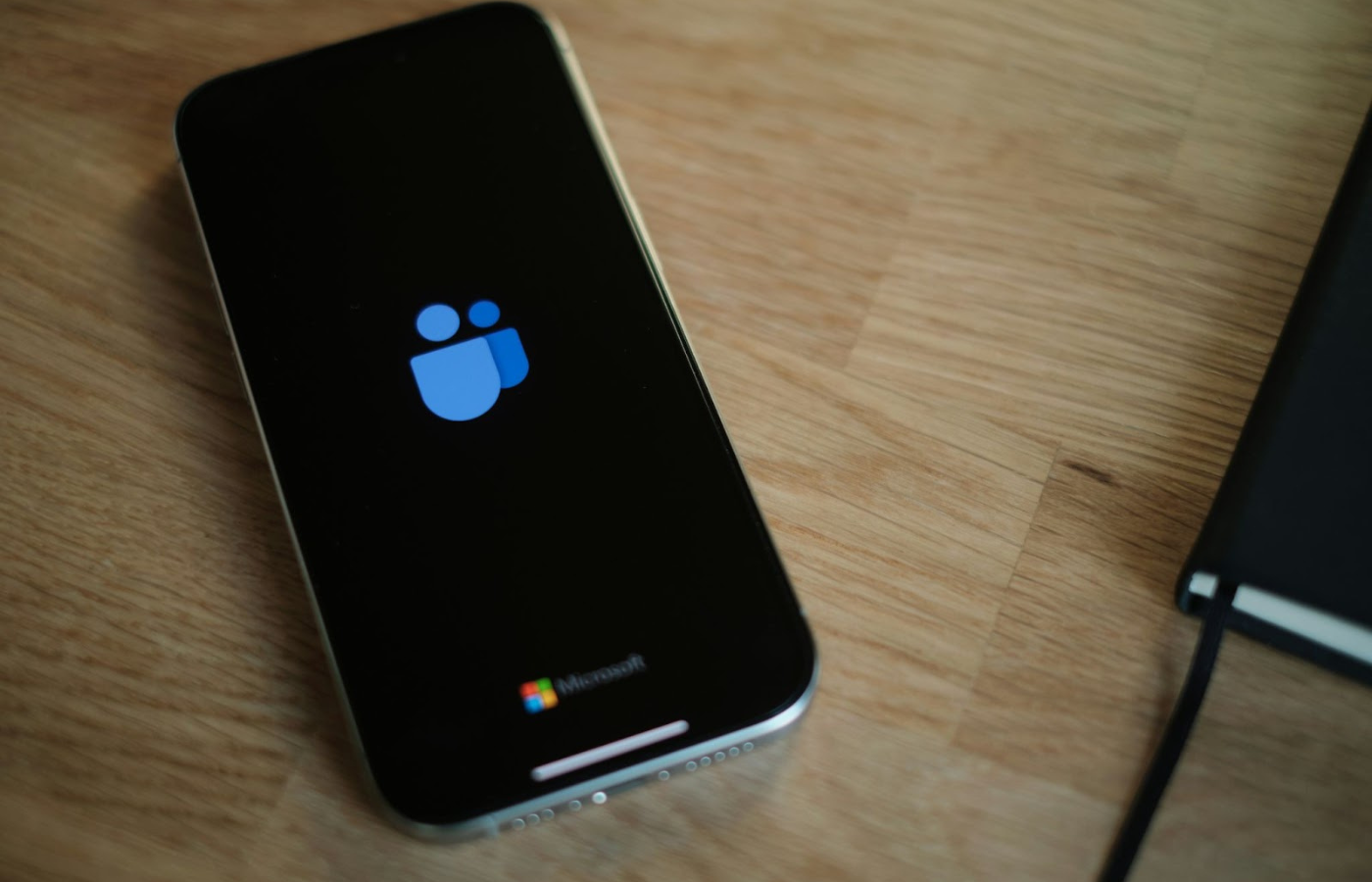
San Francisco, CA – Microsoft Teams is poised for a significant transformation in 2026, with a wave of artificial intelligence-powered features designed to enhance collaboration, streamline meetings and unlock deeper insights from workplace communications. The updates, outlined in Microsoft’s product roadmap, signal a move beyond Teams’ traditional role as a chat and video conferencing platform, positioning it as a more intelligent and integrated workspace. These advancements come as competition intensifies in the collaborative software space, with companies like Slack and Zoom as well heavily investing in AI capabilities.
The coming changes to Microsoft Teams aren’t simply incremental improvements; they represent a fundamental shift in how people interact and work within the platform. From interactive AI agents joining meetings to automated analysis of on-screen content, Microsoft is leveraging the power of AI to address common pain points in the modern workplace – information overload, inefficient meetings, and difficulty extracting actionable insights from complex discussions. The rollout of these features throughout 2026 will require organizations to proactively plan for upgrades, assess licensing needs, and invest in user training to maximize the benefits of these new capabilities.
At the heart of this evolution is Microsoft Copilot, the company’s AI assistant, which will be deeply integrated into many of the new features. Copilot’s ability to understand and process natural language will be crucial for features like analyzing meeting content and generating summaries, allowing users to quickly grasp key takeaways and action items. Microsoft’s commitment to responsible AI development is also evident, with a focus on data security and privacy as these new features are rolled out. The company emphasizes that agents built on Copilot will support secure interactions, remembering context within sessions while protecting sensitive data.
Interactive AI Agents to Join Teams Meetings
One of the most notable additions slated for September 2026 is the introduction of Interactive Agents for Teams meetings and one-on-one calls. These agents will allow participants to engage with AI assistants either as a group or individually, offering a new dimension to collaborative discussions. According to Microsoft’s official support documentation, these agents will be equipped to handle “zero-state prompts and history,” ensuring smooth and secure interactions. Currently, only agents built on Copilot will support these sessions, but Microsoft is opening up the platform to agents from BizChat and Copilot Studio for testing and feedback purposes.
Copilot Gains the Ability to Analyze On-Screen Content
By August 2026, Microsoft plans to significantly expand Copilot’s capabilities within meetings by enabling it to analyze content shared on-screen during recordings. This feature will provide Copilot with a much richer context beyond just the meeting transcript or chat log, allowing it to answer more specific and insightful questions. Imagine being able to ask Copilot, “Which products had the highest sales based on the data presented?” or “What was the overall feedback on slide five?” The ability to draft new content based on the entire meeting, including shared documents, slides, and websites, will further enhance productivity. Support for PowerPoint Live and Microsoft Whiteboards within Teams is also planned, expanding the scope of content Copilot can analyze.
Enhanced Chat Summaries for Busy Teams
Recognizing the challenges of managing busy Teams channels and constant message flow, Microsoft is introducing an enhanced Copilot chat summary feature by May 2026. This feature will automatically generate summaries of new messages in a chat conversation, allowing users to quickly catch up without having to read every single message. As detailed on Microsoft’s support page, Copilot in Teams chat can help users quickly review “the main points, action items, and decisions” from conversations. It’s important to note that Copilot currently cannot summarize images, Loop components, or files shared within the chat thread, highlighting the ongoing limitations of AI in interpreting complex content.
Seamless Integration with SharePoint for Meeting Recaps
Microsoft is working to connect Teams meeting intelligence with the broader Microsoft 365 ecosystem. By March 2026, Teams users will be able to share meeting recaps directly to SharePoint, providing a centralized location for storing and managing meeting data. This feature will allow meeting organizers and presenters to easily distribute notes and follow-up tasks as a news post within SharePoint, ensuring that key takeaways are readily accessible to the entire team. This builds upon the existing Teams recap tool, which already provides access to recordings, transcripts, and notes, but adds a crucial layer of integration with a core document management system.
Collaborative Annotations for All Meeting Participants
In March 2026, Teams is expected to introduce collaborative annotations for all meeting participants, a feature designed to improve brainstorming, training sessions, and workshop-style meetings. Currently, annotation capabilities are typically limited to organizers or presenters. This update will empower all attendees to contribute directly to shared content, fostering a more interactive and engaging meeting experience. The feature will be available in the new Microsoft Teams experience, requiring organizations using the classic version to upgrade to access it. Annotations will be powered by Microsoft Whiteboard, allowing participants to use tools like sticky notes and markers directly on shared screens.
The evolution of Microsoft Teams into a more AI-driven workspace reflects a broader trend in the technology industry. Companies are increasingly recognizing the potential of AI to enhance productivity, improve collaboration, and unlock new insights from data. However, the successful implementation of these technologies will require careful planning, user training, and a commitment to responsible AI practices. The changes coming to Teams in 2026 represent a significant step forward in this direction, promising to transform the way people work and collaborate in the years to come.
Key Takeaways
- AI-Powered Meetings: Interactive AI agents will join Teams meetings in September 2026, offering personalized assistance and insights.
- Content Analysis: Copilot will analyze on-screen content during meetings by August 2026, enabling users to ask specific questions and generate new content.
- Streamlined Communication: Enhanced Copilot chat summaries, arriving in May 2026, will help users quickly catch up on busy conversations.
- Integrated Workflow: Meeting recaps will be seamlessly shared to SharePoint by March 2026, centralizing meeting data and improving knowledge management.
- Enhanced Collaboration: Collaborative annotations for all participants, also launching in March 2026, will foster more interactive and engaging meetings.
Microsoft is expected to provide further updates on these features throughout 2026. Organizations should begin evaluating their readiness for these changes and planning for the necessary upgrades and training. Stay tuned to the Microsoft Teams blog and support documentation for the latest information. What are your thoughts on these upcoming AI features? Share your comments and insights below.
Keep reading