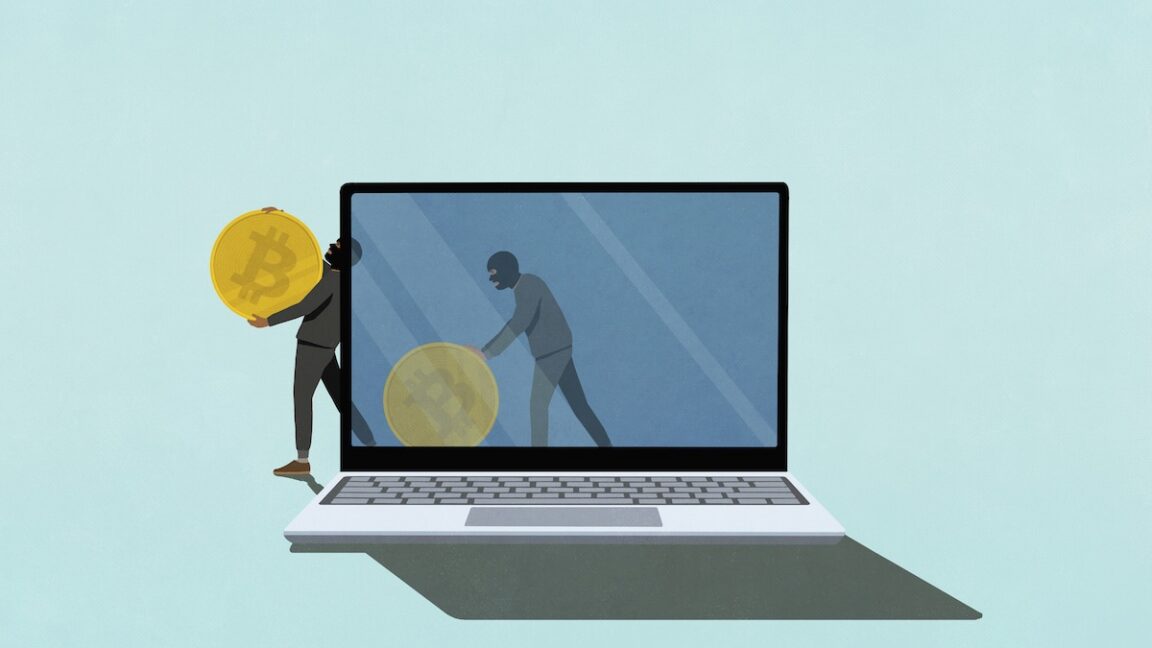
Microsoft has identified a new strain of self-propagating malware, dubbed “Crypto Clipper,” that spreads via USB drives to steal cryptocurrency credentials and exfiltrate data through the Tor network. The malicious software monitors user clipboards for patterns matching digital wallet addresses or recovery seed phrases, then captures screenshots of the infected device to compromise sensitive financial information. According to Microsoft’s security intelligence team, the threat represents a shift from simple credential theft to a more sophisticated, persistent backdoor capable of remote code execution.
The discovery highlights an evolving threat landscape for digital asset holders, as attackers increasingly bypass traditional security perimeters. By leveraging portable Tor clients and SOCKS5 proxies, the malware masks its command-and-control (C2) traffic, making it difficult for standard network logs to trace the destination of stolen assets. This technical maneuver effectively turns what would otherwise be a financially motivated stealer into a persistent, lightweight backdoor on compromised machines.
How Crypto Clipper Operates
The primary mechanism of the Crypto Clipper involves constant monitoring of the system clipboard. When a user copies a string of text that resembles a cryptocurrency wallet address or a mnemonic seed phrase, the malware intercepts this data. Microsoft researchers noted that the threat actor’s goal is to replace legitimate destination addresses with attacker-controlled ones, a common tactic in crypto-theft known as “clipping.”
Beyond simple address swapping, the malware incorporates an aggressive surveillance component. Upon identifying a potential target, it captures five distinct screenshots over a 10-second interval. These images, alongside the stolen credentials, are transmitted to an attacker-controlled server. Because the data is routed through the Tor network—an anonymity-focused protocol that relies on multiple redundant nodes—the traffic is obfuscated, preventing investigators from easily identifying the final receiving IP address.
Technical Distinctions and Persistence
Unlike traditional malware that relies on persistent installers or static C2 infrastructure, the Crypto Clipper exhibits a “fileless” or lightweight profile. By using a portable Tor client, the malware avoids leaving the typical footprints associated with installed software. This design choice makes detection significantly more challenging for automated endpoint protection systems that look for specific file signatures or standard network connection patterns.

“The execution of this clipper is notable because it does not depend on a traditional installer or exposed IP-based C2 infrastructure,” Microsoft stated in its recent security advisory. By blending data theft with remote code execution capabilities, the malware allows attackers to maintain a foothold on the system, potentially facilitating future malicious activities beyond the initial theft of cryptocurrency.
Mitigation Strategies for Users
Security experts emphasize that the most effective defense against USB-borne threats remains vigilance and strict hardware hygiene. Users are advised to disable “AutoRun” features on their operating systems, which can prevent malware from executing automatically when an infected USB drive is plugged into a workstation. Additionally, maintaining updated antivirus software and avoiding the insertion of untrusted or unknown external storage devices is essential to prevent infection.
For those managing significant cryptocurrency holdings, the use of hardware wallets is recommended. Hardware wallets store private keys in an offline environment, ensuring that even if a computer is compromised by a clipper-style backdoor, the underlying assets remain protected because the sensitive keys are never exposed to the infected system’s clipboard or memory. Users should also regularly review their system’s running processes for unauthorized network traffic, particularly connections attempting to initialize SOCKS5 proxies or Tor nodes.
The Broader Impact on Digital Security
The emergence of the Crypto Clipper reflects a growing trend in cybercrime where attackers target the “human-in-the-loop” aspect of cryptocurrency transactions. Because wallet addresses are long, complex strings of characters, users frequently rely on copy-paste functionality. This reliance creates a predictable vulnerability that attackers are increasingly exploiting.
As the Cybersecurity and Infrastructure Security Agency (CISA) frequently notes, the transition from localized theft to persistent backdoor access marks a significant escalation in risk for individual users. While this specific malware is currently focused on crypto-assets, the infrastructure it establishes—a hidden, proxy-routed connection—can be repurposed for a variety of malicious objectives, including ransomware deployment or the theft of corporate login credentials.
The security community continues to monitor the propagation patterns of this malware. Users who suspect their systems may be compromised are encouraged to run a full scan using updated security tools and to immediately move their digital assets to a new, secure wallet address. Further updates regarding the specific variants of this malware will be provided by Microsoft’s Security Intelligence center as more forensic data becomes available.
Keep reading
- OpenAI Admits Upcoming ‘Astra’ AI Model May Possess Critical Cyber Capabilities
- Xiaomi Redmi 17 Series Launched: Massive 7500mAh Battery & Pro Specs
- US Intelligence Warns Putin Could Test NATO With Limited Attack (archyworldys.com)
- US Intelligence Warns Putin May Use Provocations to Test NATO Unity (time.news)