
Microsoft has officially rolled out metered billing for its AI agents, marking a significant shift from free-tier models to usage-based pricing that could reshape how businesses deploy AI tools. The change, announced as part of Microsoft’s broader AI strategy, introduces a pay-per-use model for select AI agents—including those integrated with Azure AI and Copilot—with pricing tied to computational resources consumed. According to Microsoft’s official documentation, the move aims to align costs with actual usage while offering more predictable pricing for enterprises.
This development follows a year of experimentation with AI pricing models, where Microsoft initially offered free tiers for tools like Copilot and GitHub Copilot. However, as demand surged—with some enterprises reporting costs exceeding $10,000 monthly for high-volume usage—Microsoft has now formalized a structured billing approach. “The shift to metered billing reflects the growing maturity of AI as a business tool,” said Microsoft in a statement to official AI documentation. “Customers now have clearer cost controls while accessing the latest AI capabilities.”
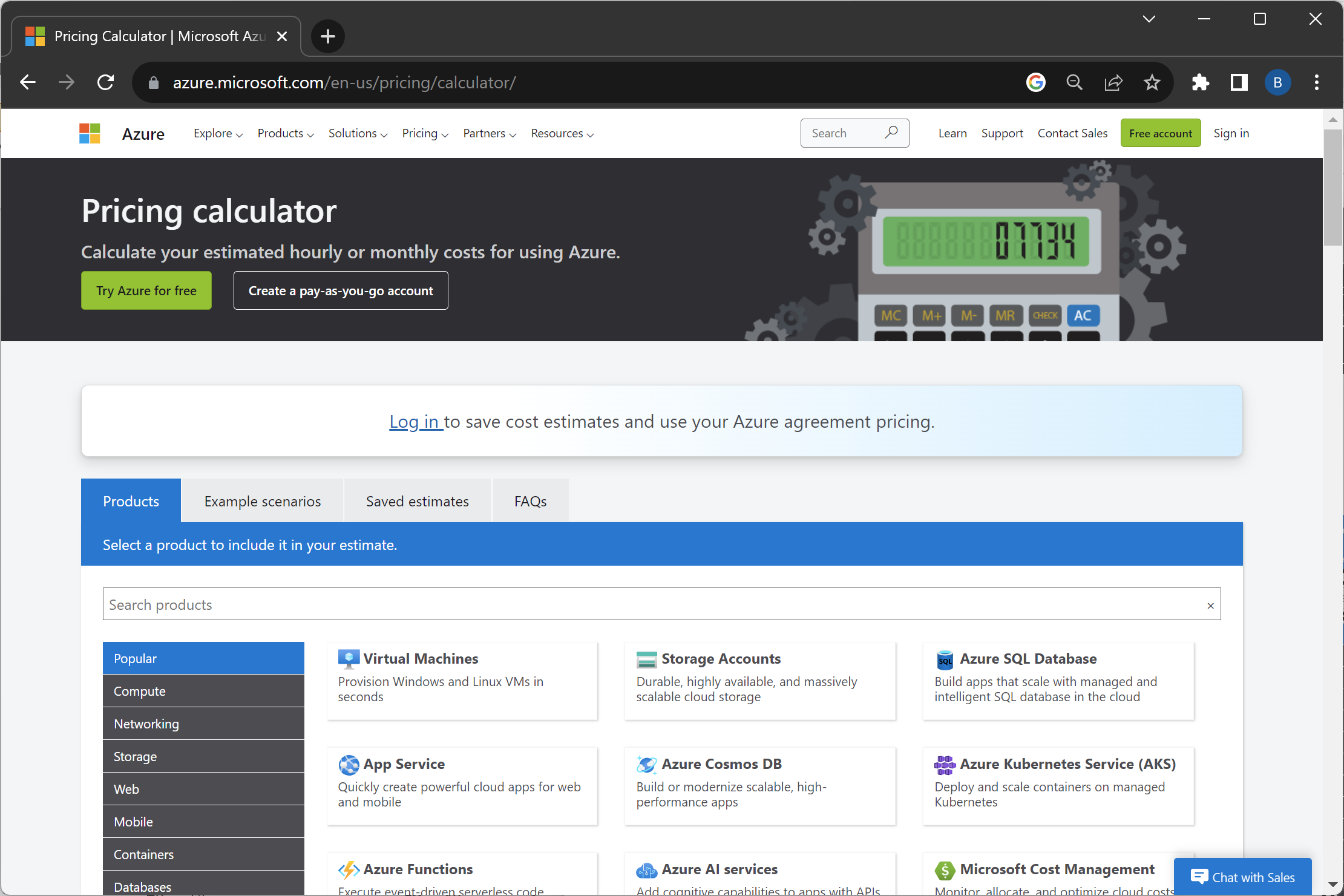
For businesses already using Microsoft’s AI agents, the transition may require adjustments. Pricing will now be calculated based on factors like the number of API calls, model complexity, and data processed. Microsoft has provided a pricing calculator to help organizations estimate costs, though exact figures vary by workload. The company has also committed to grandfathering existing contracts where possible, though details remain limited.
Why Microsoft Is Moving to Metered Billing—and What It Means for You
Microsoft’s decision to adopt metered billing stems from three key pressures:

- Cost unpredictability: Free-tier models led to unexpected spikes in expenses for enterprises, particularly those using AI agents at scale. A ZDNet analysis found some companies paid over $50,000 monthly for Copilot Enterprise due to unchecked usage.
- Resource strain: Free AI tools contributed to congestion in Microsoft’s cloud infrastructure, as users exploited unlimited access. Metered billing helps manage demand while ensuring fair allocation of resources.
- Competitive alignment: Rivals like Google and AWS have long used usage-based pricing for AI services. Microsoft’s shift brings it in line with industry standards, though its integration with Office 365 and Azure gives it a unique edge.
The change also raises questions about the future of “free” AI. While Microsoft has not ruled out free tiers entirely, the company’s focus on enterprise adoption suggests that consumer-friendly models may become rarer. “This is the end of the era where AI is treated as a free commodity,” noted Les Échos, citing industry analysts who predict a 30% increase in enterprise AI spending by 2025.
How Metered Billing Works: Pricing Breakdown and Key Details
Microsoft’s new billing structure applies to AI agents across its ecosystem, including:
- Azure AI agents: Pricing is tied to the number of tokens processed (input/output) and the model used (e.g., GPT-4 vs. GPT-3.5). For example, a single API call to a high-end model may cost between $0.008 and $0.06 per 1,000 tokens, depending on complexity.
- Copilot Enterprise: Usage is now billed per user per month, with additional charges for premium features like document analysis or custom model training. Microsoft has not disclosed exact figures but confirms pricing will scale with usage.
- GitHub Copilot: While still available for free in individual plans, enterprise deployments now require a subscription, with costs starting at $19 per user per month for basic features.
To illustrate, a mid-sized company using Copilot for 50 employees with moderate usage might see monthly costs rise from $0 to approximately $1,500, according to Programmez. However, Microsoft emphasizes that discounts are available for high-volume contracts, and some legacy free tiers will persist for non-commercial use.
Key takeaway: Businesses should audit their current AI usage and model it against Microsoft’s pricing calculator to avoid surprises. The company has also pledged to provide 90 days’ notice before any further pricing adjustments.
Who Is Affected—and How Should They Prepare?
The metered billing model primarily impacts:
- Enterprises: Companies relying on Microsoft’s AI tools for productivity, development, or customer service will need to budget for variable costs. Those with unpredictable usage patterns may face higher bills.
- Developers: Independent creators using GitHub Copilot or Azure AI may see free tiers restricted, pushing them toward paid plans or alternative tools like Google’s Vertex AI.
- Consumers: Individual users of Copilot in Office 365 or Bing Chat will likely see minimal changes, as Microsoft has committed to maintaining free access for personal use.
For enterprises, the transition offers an opportunity to optimize AI spending. “This is a chance to move from reactive to proactive AI adoption,” said Reuters, quoting a senior analyst at Forrester. Companies should:
- Monitor usage closely with Microsoft’s new analytics dashboard.
- Negotiate enterprise agreements to lock in rates.
- Explore multi-cloud strategies to avoid vendor lock-in.
What Happens Next: Microsoft’s Roadmap and Industry Reactions
Microsoft has not set a firm deadline for the full rollout of metered billing, but the company expects the transition to be complete by Q4 2024. In the interim, existing customers will receive detailed migration guidance, including:
- A 30-day grace period to adjust usage patterns.
- Dedicated support for high-volume clients.
- Transparency reports on AI resource consumption.
Industry reactions have been mixed. While some enterprises welcome the cost controls, others express concern over the lack of granularity in pricing. “Microsoft’s approach is more transparent than Google’s, but it still leaves room for sticker shock,” said The Financial Times, citing feedback from CIOs. Competitors like Google and AWS have not announced similar shifts, though they continue to refine their own pricing models.
The broader AI market may also feel the ripple effects. If Microsoft’s move signals the end of free AI tools, other providers could follow suit, pushing smaller businesses toward proprietary solutions. Alternatively, open-source alternatives like Mistral AI or Llama 3 may gain traction as cost-conscious alternatives.
FAQ: Your Questions About Microsoft’s Metered Billing Answered
Q: Will my existing free Copilot subscription be canceled?
A: No. Microsoft has confirmed that free tiers for individual users (e.g., Copilot in Office 365) will remain unchanged. Enterprise and developer plans, however, will transition to metered billing.
Q: How can I estimate my new costs?
A: Use Microsoft’s AI pricing calculator. Input your expected usage (e.g., API calls, tokens) to generate a projection. For Copilot Enterprise, Microsoft offers a detailed breakdown by feature.
Q: Can I switch to another AI provider to avoid costs?

A: Yes, but migration may require retraining models and reintegrating APIs. Tools like Google’s Vertex AI or AWS Bedrock offer competitive pricing, though they lack Microsoft’s deep Office 365 integration.
Q: What if I exceed my budget?
A: Microsoft provides usage alerts and the ability to set spending caps. Enterprises can also work with sales teams to adjust thresholds or explore volume discounts.
Q: Are there any industries where metered billing is more impactful?
A: Yes. Sectors with high AI dependency—such as fintech, healthcare, and logistics—will likely see the most significant cost changes. For example, a logistics firm using Copilot for route optimization might face higher bills if its API calls spike during peak seasons.
Final Checkpoint: What’s Next for Microsoft’s AI Strategy
Microsoft’s next major update on AI billing is expected in September 2024, when the company will release a full pricing whitepaper and host a webinar for enterprise customers. In the meantime, businesses should:
- Review their AI usage reports in the Azure portal.
- Test the new pricing calculator with real-world scenarios.
- Engage with Microsoft’s AI support team for personalized guidance.
As the AI market matures, Microsoft’s move underscores a broader industry trend: the shift from free experimentation to structured, enterprise-grade AI adoption. For now, the key question remains: Will businesses embrace the new model—or seek alternatives?
Have you adjusted your AI spending plans in response to Microsoft’s changes? Share your experiences in the comments below.
Keep reading
- Inside Praxis: The Rise and Reality of the Techno-Optimist Frontier Community
- Huawei Watch GT Runner 2 Alternative: Price and Details
- RAP vs. IBR: What Your New Student Loan Bill Actually Costs (daybreakwire.com)
- Trabzonspor President Ertuğrul Doğan Says Club Could Sell 150 Million Euros in Players (archyworldys.com)