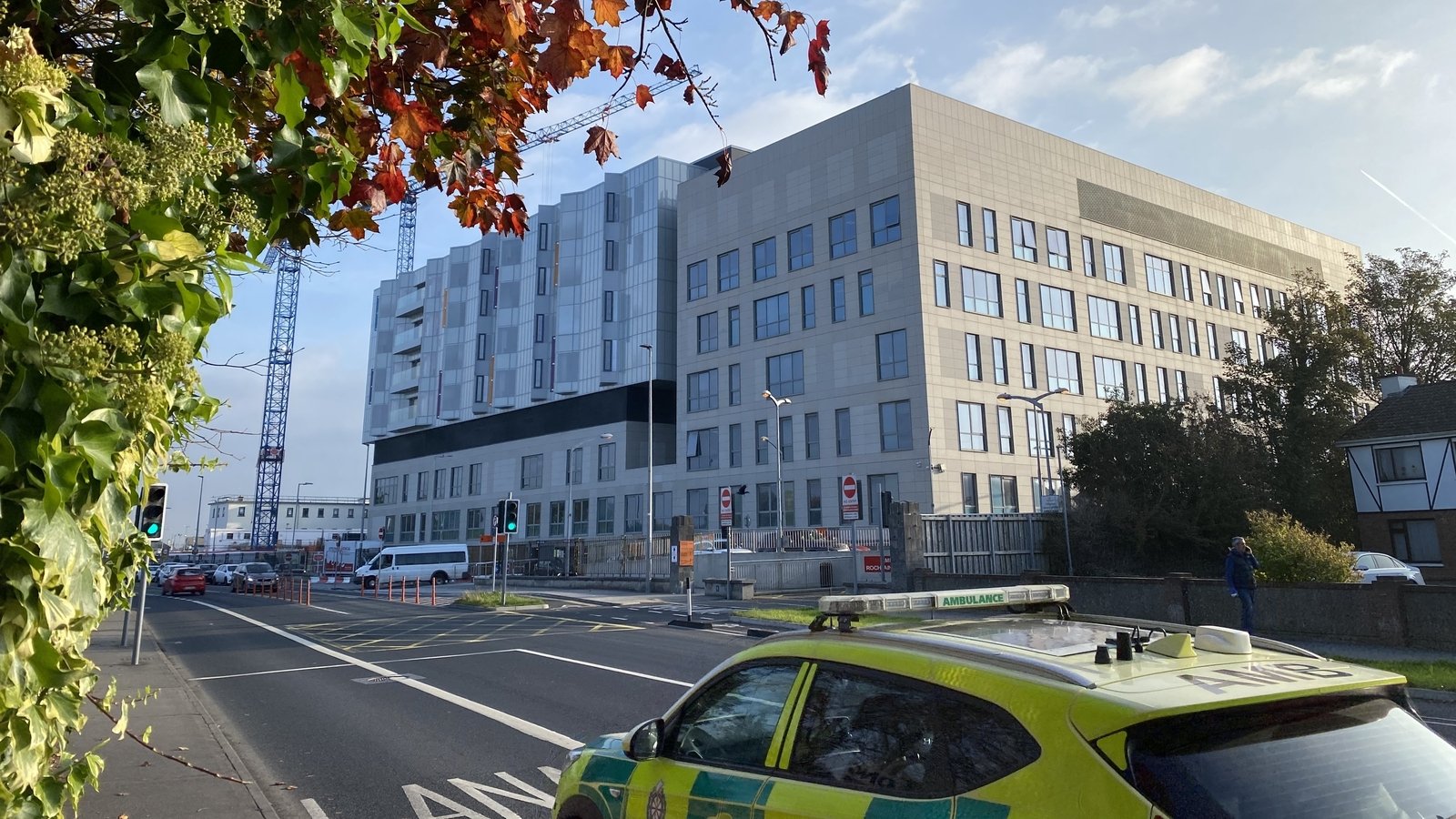
Clare‘s Healthcare Future Hangs in the Balance: A Critical Look at UHL and the Push for a new Hospital
The future of healthcare in the mid-West region of Ireland, particularly in County Clare, is at a pivotal moment. A decision regarding the long-term strategy for hospital care – promised by Minister for Health Jennifer Carroll MacNeill by Christmas - is anxiously awaited. This isn’t simply a local issue; it’s a matter of equitable access to vital medical services and a reflection of systemic challenges within the Irish healthcare system.
As a long-time observer of Irish healthcare policy and implementation, I’ve seen these cycles of promise and delay before. This time, however, feels different. The urgency, fueled by stark patient outcomes and the passionate advocacy of local representatives, is palpable.
The Core of the Issue: Disadvantage in Clare & overburdened UHL
The current situation centers around University Hospital Limerick (UHL), the primary emergency care facility for a vast geographical area encompassing Clare, Limerick, and parts of Tipperary and Offaly. UHL is consistently operating over capacity, leading to significant delays, compromised patient care, and immense pressure on staff.
Clare TD Cathal Crowe has been a vocal advocate for a new hospital in Clare, arguing that residents face unacceptable travel times to emergency care. Specifically, he points to individuals in the north and west of the county enduring journeys of up to an hour and 50 minutes to reach an emergency department. This isn’t merely a matter of convenience; it’s a demonstrable health disadvantage.
here’s a breakdown of the key concerns:
* Geographical disparity: Clare residents experience considerably longer travel times to emergency care compared to other regions.
* UHL Overcapacity: University Hospital Limerick is consistently operating beyond its physical capacity, leading to delays and compromised care.
* HIQA Report & Options: The Health Information and Quality Authority (HIQA) has presented a range of options, but a definitive decision remains pending.
* Demographic Needs: Future-proofing healthcare for the region requires anticipating the needs of a growing and aging population.
Beyond Politics: A Personal Stake in Patient Care
The debate surrounding UHL isn’t solely political. The personal connections of local tds highlight the deep emotional investment in the hospital’s future. Deputy Crowe’s mother was a nurse at UHL, while Tipperary TD Alan kelly tragically lost his father there.
Kelly’s poignant plea – questioning why Mid-West residents are treated as “second-class citizens” – resonates wiht many. It underscores the frustration with repeated “options” and the desperate need for concrete action. This isn’t about political point-scoring; it’s about ensuring everyone has access to timely, quality healthcare.
Doctors Speak Out: Addressing the Root Cause
Crucially, the medical professionals at UHL are now directly challenging the narrative of staff blame. In a powerful statement, the hospital’s medical board, led by Prof Colin Peirce and Dr Joe devlin, explicitly urged health officials to stop attributing the crisis to hardworking staff.
Their message is clear: the problem isn’t a lack of effort, but a critical shortage of physical bed capacity. They rightly point to the “inequitable access” and ”dignity deficiencies” experienced by patients due to overcrowding. This internal critique is a significant development, signaling a growing frustration within the hospital itself.
* Stop Blaming Staff: The medical board is demanding an end to the practice of attributing the crisis to hospital personnel.
* Focus on Capacity: The core issue is a lack of adequate bed capacity, not a lack of effort from healthcare workers.
* Patient Dignity: Overcrowding compromises patient privacy and dignity.
* Accelerate Bed Delivery: The pace of promised bed additions needs to be significantly increased.
Signs of Progress, But Much Work Remains
Recent data offers a glimmer of hope. Following the opening of a new unit on October 13th, the number of patients waiting for a bed at UHL has decreased, falling to between 53 and 67 per day (according to the Irish Nurses and Midwives Organisation Trolley Watch).
Sinn Féin TD Maurice Quinlivan acknowledges this as “some progress,” but rightly emphasizes that further reductions are essential. this advancement, while welcome, shouldn’t overshadow the underlying systemic issues.
The Clock is Ticking: A Christmas Deadline
Related reading