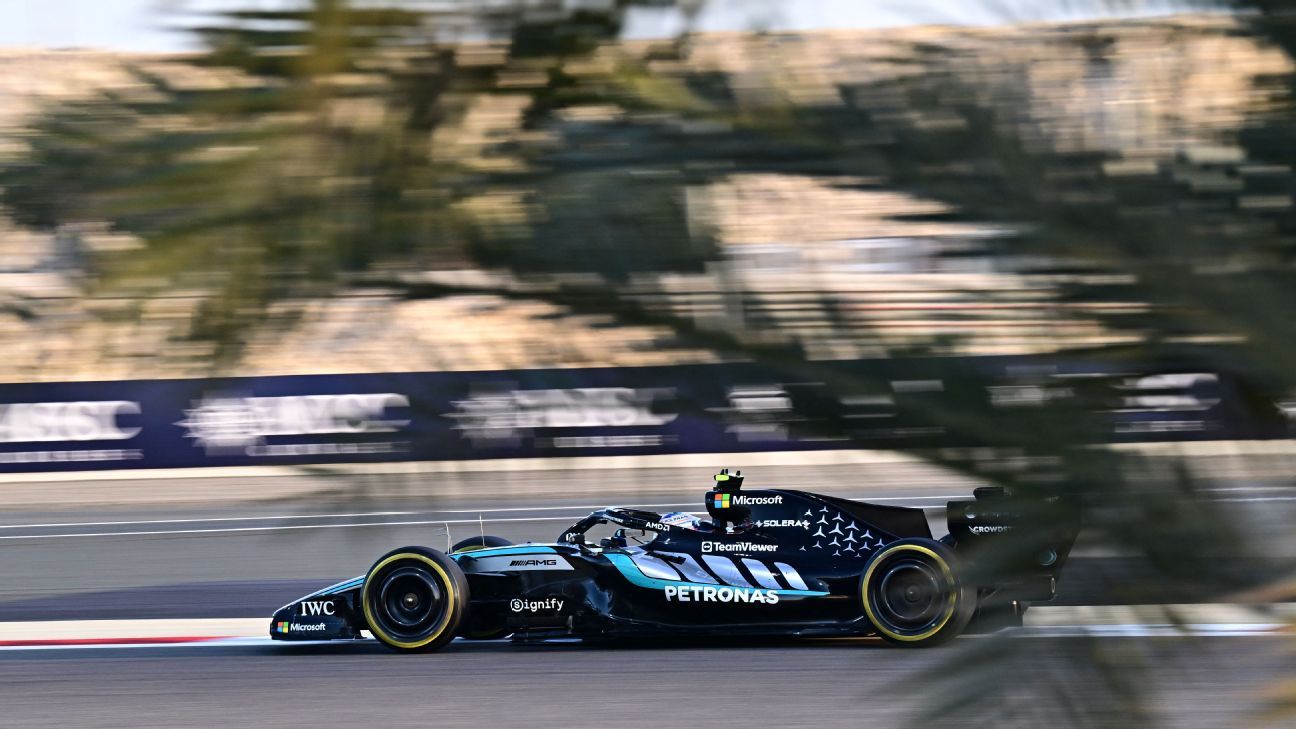
Lisbon, Portugal – As tensions escalate in the Middle East following recent exchanges between Iran and both the United States and Israel, international sporting bodies are closely monitoring the situation, particularly as it relates to upcoming events in the region. Formula 1, FIFA, and the International Cricket Council (ICC) are all assessing potential risks and contingency plans, with the Bahrain and Saudi Arabian Grands Prix under particular scrutiny. The immediate concern centers on ensuring the safety of athletes, staff, and fans, even as also navigating the logistical challenges posed by the evolving geopolitical landscape.
The situation began to intensify on Saturday, February 28, 2026, with reports of missile strikes in several countries, including Dubai, Doha, and Bahrain, following attacks by US and Israeli forces on Iranian targets. This escalation has prompted a swift response from sporting organizations, all of whom have a vested interest in maintaining the integrity and safety of their events. The potential for disruption extends beyond the immediate region, impacting travel arrangements and raising broader security concerns for international competitions.
Formula 1 is currently preparing for the season-opening Australian Grand Prix, scheduled for next weekend. While that race is expected to proceed as planned, the series is acutely aware of the proximity of the Bahrain and Saudi Arabian Grands Prix, slated for April 12 and 19 respectively. F1 officials have stated they are closely monitoring the situation and working with relevant authorities to assess the risks. The logistical implications are already being felt, with European-based Formula 1 teams adjusting their travel plans to avoid flying directly over or near conflict zones.
Impact on Motorsport: Bahrain and Saudi Arabia Races in Focus
The Bahrain Grand Prix, a night race held at the Bahrain International Circuit in Sakhir, is a significant event on the Formula 1 calendar, attracting a large international audience. The Saudi Arabian Grand Prix, held in Jeddah, is a more recent addition to the schedule, but has quickly become a prominent fixture. Both races contribute significantly to the economic and tourism sectors of their respective countries. The possibility of postponement or cancellation of either event would have substantial financial and logistical repercussions for the sport.
An F1 spokesperson confirmed that the next three races – Australia, China, and Japan – are not currently affected, as they are geographically distant from the immediate conflict zone. Whereas, the situation remains fluid, and ongoing assessments will be crucial in determining the viability of the Bahrain and Saudi Arabian races. The sport’s governing body, the Fédération Internationale de l’Automobile (FIA), is likely to play a key role in advising teams and organizers on safety protocols and potential alternative arrangements. ESPN reported on the monitoring of these races.
Football World Cup Preparations Under Scrutiny
Beyond Formula 1, the escalating conflict also casts a shadow over preparations for the 2026 FIFA World Cup, which will be jointly hosted by the United States, Canada, and Mexico. Iran has already qualified for the tournament and is scheduled to play two matches in the US, in Los Angeles and Seattle. FIFA officials are monitoring the situation closely, recognizing the potential for geopolitical tensions to impact the event.
FIFA Secretary General Mattias Grafstrom stated that the organization is holding meetings to assess the situation and will continue to communicate with the host governments. The priority, according to Grafstrom, is to ensure the safety of all participants and fans. This includes evaluating security protocols, travel arrangements, and potential contingency plans in the event of further escalation. The Latest York Times detailed FIFA’s monitoring efforts.
Cricket Disrupted: Match Cancellation and Contingency Plans
The impact of the conflict is also being felt in the world of cricket. A match between England Lions and Pakistan Shaheens, scheduled to grab place in Abu Dhabi on Sunday, has been cancelled as a precautionary measure. The England and Wales Cricket Board (ECB) cited the safety and security of its teams and staff as the primary reason for the cancellation. England women’s planned trip to Abu Dhabi next week has been delayed.
The International Cricket Council (ICC), headquartered in Dubai, has activated its contingency plans for personnel scheduled to transit through the region. The ICC is also urging fans who have travelled to the area to closely monitor advisories and consider all factors before undertaking further international travel. This demonstrates a proactive approach to mitigating risks and ensuring the well-being of those involved in the sport. racingnews365.com reported on the cancellation of cricket matches due to safety concerns.
Contingency Planning and Risk Assessment
The current situation highlights the increasing challenges faced by international sporting organizations in navigating geopolitical instability. Contingency planning is now a standard practice, with organizations developing protocols for dealing with a range of potential disruptions, including political unrest, natural disasters, and security threats. Risk assessments are conducted regularly to identify vulnerabilities and develop mitigation strategies.
These assessments typically involve collaboration with local authorities, security experts, and intelligence agencies. The goal is to create a safe and secure environment for athletes, staff, and fans, while also minimizing the impact of disruptions on the sporting calendar. However, the unpredictable nature of geopolitical events means that organizations must remain flexible and adaptable, prepared to adjust their plans at short notice.
The cancellation of the England Lions vs. Pakistan Shaheens match serves as a stark reminder of the potential for sudden disruptions. Similarly, the ongoing monitoring of the Bahrain and Saudi Arabian Grands Prix underscores the uncertainty surrounding major sporting events in the region. The situation is further complicated by the fact that the conflict is evolving rapidly, with new developments occurring on a daily basis.
As the situation unfolds, sporting organizations will continue to prioritize safety and security, working closely with authorities to assess the risks and implement appropriate measures. The coming weeks will be critical in determining the fate of upcoming events in the Middle East and the broader impact of the conflict on the international sporting landscape. The next key development will be official statements from Formula 1 regarding the status of the Bahrain and Saudi Arabian Grands Prix, expected in the coming weeks as the geopolitical situation evolves.
What are your thoughts on the potential impact of the Middle East conflict on international sports? Share your comments below and let us realize what you think.
Keep reading