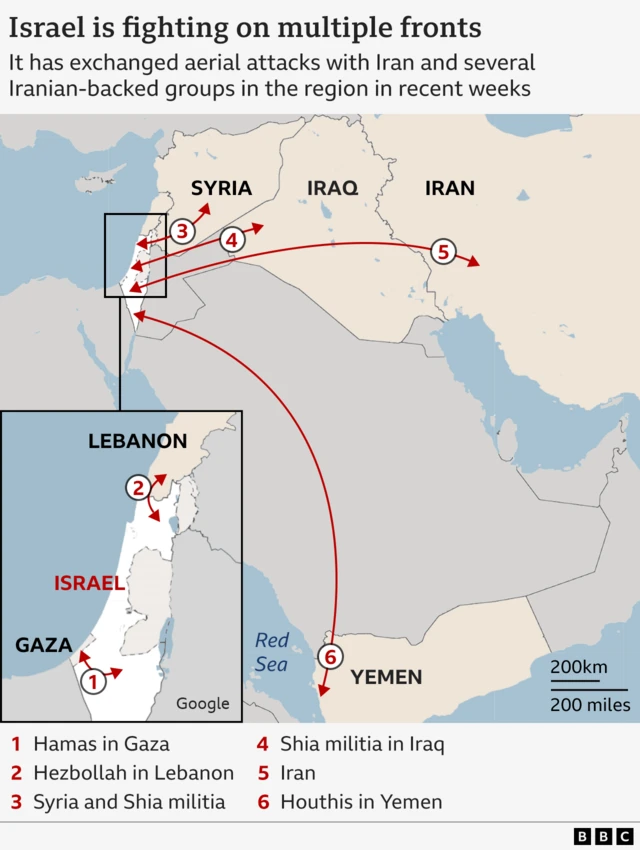
Diplomatic efforts to stabilize the Middle East have reached a critical juncture as Lebanese and Israeli officials convene in Washington for peace talks. These negotiations arrive amidst a volatile security landscape, where a fragile ceasefire between the United States and Iran is being tested by ongoing hostilities between Israel and Hezbollah in Lebanon.
The current 2026 Lebanon war, which began on March 2, 2026, has seen a dramatic escalation in violence, including significant Israeli ground operations in southern Lebanon that commenced on March 16, 2026 2026 Lebanon war details. While the U.S. And Iran have announced a ceasefire, officials in Washington and Beirut have clarified that this agreement does not encompass the conflict in Lebanon.
The humanitarian toll has been severe. Reports indicate that over 1.2 million people have been displaced within Lebanon, and more than 2,020 people have been killed Lebanon casualty figures. The urgency of the Washington talks is underscored by continued military activity, including a massive wave of Israeli air strikes that hit more than 100 Hezbollah command centers and military sites in just 10 minutes on a recent Wednesday BBC report on Israeli strikes.
Simultaneously, tensions remain high in the Persian Gulf. Reports indicate that two ships originating from Iran have successfully traversed the Strait of Hormuz, defying a blockade imposed by the United States. This defiance highlights the complex interplay between regional maritime security and the broader diplomatic efforts to prevent a total regional collapse.
The Washington Peace Talks: Objectives and Obstacles
The primary goal of the current discussions in Washington is to find a sustainable path toward a ceasefire in Lebanon. However, the path to peace is complicated by the distinct objectives of the belligerents. Israeli officials have maintained that their primary conflict is not with the Lebanese state itself, but specifically with Hezbollah. This distinction is central to Israel’s strategy, as it seeks the neutralization of the militant group’s capabilities along its northern border.
For Lebanon, the stakes are existential. The conflict has not only caused massive casualties but has also disrupted the country’s political stability, leading to the postponement of general elections until 2028 Lebanon election postponement. Lebanese officials are navigating a precarious balance between the demands of the Lebanese state and the influence of Hezbollah, which continues to be a dominant force within the country.
The role of the United States remains pivotal. While the U.S. Helped mediate a ceasefire between Iran and the U.S., the administration has been clear that this deal did not extend to Lebanon. Press Secretary Karoline Leavitt confirmed that Lebanon was not part of the Iran-U.S. Agreement, leaving the Lebanese-Israeli conflict to be resolved through separate, dedicated negotiations US position on Lebanon ceasefire.
Escalation Despite Diplomatic Overtures
The volatility of the situation is evidenced by the “largest wave of air strikes” conducted by Israel during this conflict. These strikes targeted the eastern Bekaa Valley, southern Lebanon, and the southern suburbs of Beirut. The Lebanese health ministry reported that at least 182 people were killed and 890 wounded in that single wave of attacks Lebanese health ministry casualties.
This surge in violence occurred just hours after the U.S.-Iran ceasefire was announced, illustrating the disconnect between high-level diplomatic deals and the realities on the ground. Israel’s Prime Minister Benjamin Netanyahu’s office explicitly denied assertions—specifically those from Pakistan, which mediated the U.S.-Iran deal—that the ceasefire covered the conflict in Lebanon Netanyahu office denial.
Hezbollah has responded by asserting its right to retaliate. The group has warned displaced families against returning to their homes until a formal, verified ceasefire announcement is made, suggesting that the group does not view the current diplomatic movement as a guarantee of safety.
Regional Implications: The Strait of Hormuz and Iranian Influence
The breach of the U.S. Blockade in the Strait of Hormuz by two Iranian vessels adds another layer of complexity to the 2026 Lebanon war. The Strait of Hormuz is one of the world’s most critical oil transit chokepoints, and any disruption or defiance of maritime controls there can have immediate global economic repercussions.
Iran’s ability to move ships through the blockade serves as a signal of its continued regional influence and its willingness to challenge U.S. Naval hegemony. This maritime tension mirrors the proxy conflict in Lebanon, where Hezbollah remains closely aligned with Iranian interests. The ability of Iran to maintain its logistical and strategic channels is a key factor that Israeli and U.S. Planners must account for during the Washington peace talks.
Casualties and Military Losses (March 2 – April 14, 2026)
| Group | Reported Deaths/Losses | Source/Context |
|---|---|---|
| Hezbollah/Militants | 400+ (Internal) / 1,400+ (Israel) | Conflicting reports from internal vs. Israeli sources Casualty data |
| Lebanese Civilians | 2,020 killed | General conflict toll Casualty data |
| Israeli Soldiers | 22+ killed | Confirmed military losses Casualty data |
| UNIFIL Peacekeepers | 3 killed | International force casualties Casualty data |
What Happens Next: The Path Forward
The immediate future of the region depends on whether the Washington talks can produce a framework that satisfies Israel’s security requirements regarding Hezbollah and Lebanon’s need for sovereignty and stability. The international community is watching closely to see if the “peace and normalization” sought by some regional actors can be realized or if the cycle of air strikes and ground operations will continue.
Key points of contention likely to remain in the negotiations include:
- The specific boundaries and monitoring mechanisms for a ceasefire in southern Lebanon.
- The status of the Litani River and the presence of militants in the border regions.
- The role of UNIFIL in enforcing any agreed-upon peace terms.
- The coordination between the U.S. And regional powers to ensure the U.S.-Iran ceasefire remains intact despite the Lebanese conflict.
The next critical checkpoint will be the conclusion of the current round of talks in Washington and any subsequent official statements from the U.S. State Department or the offices of the Lebanese and Israeli governments regarding a potential ceasefire agreement.
World Today Journal encourages readers to share this report and join the conversation in the comments section below as we continue to monitor the evolving situation in the Middle East.
Keep reading
- Suspect Arrested for Washington Wildfire and Guatemalan Couple Honored
- Vienna Breaks National Temperature Record Amid Intense Austrian Heatwave
- Qatar Reports Progress in Diplomatic Efforts to End US-Iran Conflict (archyworldys.com)
- Crude Oil Prices Plunge Over 5 Percent Amid US-Iran Diplomacy and Middle East Tensions (world-today-news.com)