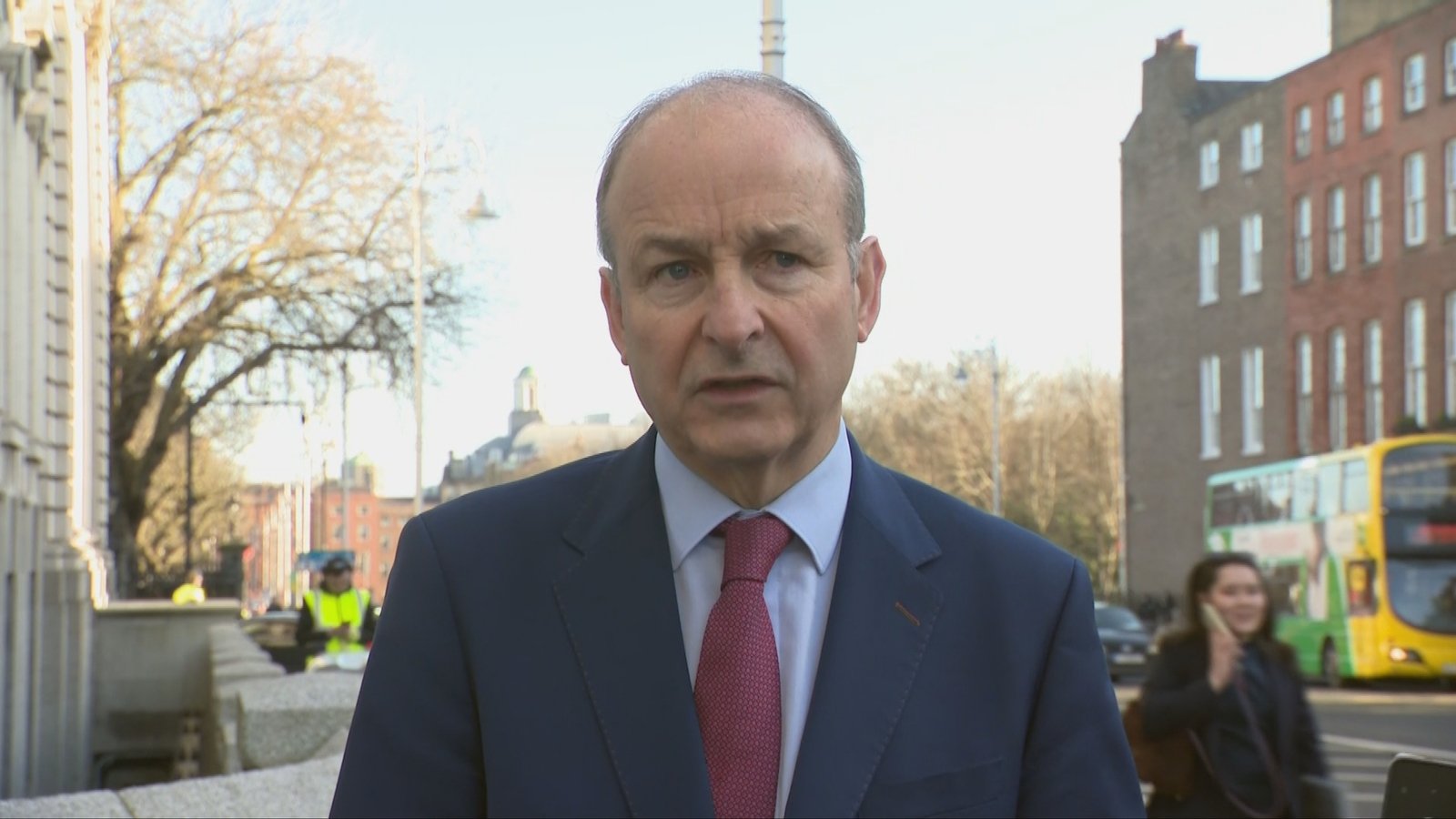
The escalating tensions in the Middle East, triggered by recent exchanges between Iran and its adversaries, are beginning to reverberate globally, prompting concerns about energy security and potential economic fallout. As shipping lanes through the critical Strait of Hormuz face disruption, governments worldwide are bracing for potential price increases and are urging businesses to act responsibly. Ireland’s Taoiseach, Micheál Martin, has directly warned against opportunistic price gouging, particularly at the fuel pump, as international oil prices surge.
The immediate catalyst for the current crisis was a series of retaliatory strikes. Following attacks on regional proxies linked to Iran, Iran launched a direct attack on Israel, prompting international condemnation and raising fears of a wider conflict. The Strait of Hormuz, a narrow waterway separating Iran and Oman, is a vital chokepoint for global energy supplies, carrying approximately one-fifth of the world’s oil consumption, alongside substantial volumes of liquefied natural gas (LNG). Disruptions to traffic through this crucial passage are already impacting markets, with Brent crude futures experiencing a significant jump – rising nearly 10% this week, according to reports. Shipping has ground to a near halt after vessels in the area were impacted during the retaliatory actions.
Concerns Over Price Gouging and Consumer Protection
Taoiseach Martin addressed the issue of potential price hikes before a cabinet meeting, emphasizing that there is “no excuse for prices going up at the pump yesterday or indeed anywhere as our oil is coming from the North Sea.” This statement underscores the Irish government’s commitment to protecting consumers from unfair practices during a period of international instability. Martin further revealed that the government has engaged with the Competition and Consumer Authority (CCA) to investigate the industry and proactively identify any instances of unfair pricing. The CCA’s role is crucial in ensuring that businesses do not exploit the current situation to inflate prices beyond legitimate cost increases. The potential for price gouging is a significant concern, as even a minor increase in oil prices can have a cascading effect on the cost of living for households and businesses alike.
The situation is particularly sensitive given the existing economic pressures facing many countries. The International Monetary Fund (IMF) is closely monitoring the developments in the Middle East, acknowledging the potential for disruptions to trade, increased financial market volatility, and surging energy prices. Even as the IMF has stated it is too early to fully assess the economic impact, they recognize that the extent and duration of the conflict will be key determinants. The IMF’s assessment highlights the interconnectedness of the global economy and the potential for regional instability to have far-reaching consequences.
Irish Citizens in the Region and Evacuation Efforts
Beyond the economic implications, the Irish government is also focused on the safety and well-being of its citizens in the Middle East. Tánaiste Simon Harris has affirmed that “all options are on the table” to assist Irish nationals in the region, including the possibility of chartering flights to facilitate their departure. This commitment reflects the government’s responsibility to provide consular assistance to its citizens abroad, particularly during times of crisis.
Minister for Foreign Affairs Helen McEntee detailed the ongoing efforts to identify and assist vulnerable Irish citizens in the Gulf region. These efforts prioritize elderly individuals, pregnant women, and those with pre-existing medical conditions. Airlines are currently prioritizing passengers who were stranded in transit without adequate accommodation or residency arrangements. McEntee explained that the government is compiling a comprehensive list of citizens requiring assistance, focusing on those most at risk.
Harris indicated that Oman is being considered as a potential location for direct charter flights, given its relative stability and logistical feasibility. The government is also actively monitoring the resumption of commercial flights in the region, exploring all available avenues to ensure the safe return of Irish citizens. Over 50 flights have already been cancelled to and from Dublin Airport since Saturday morning, demonstrating the immediate impact of the crisis on air travel.
The Strategic Importance of the Strait of Hormuz
The Strait of Hormuz has long been a focal point of geopolitical tension. Its narrow width – just 21 miles at its narrowest point – and its critical role in global energy transportation produce it a vulnerable chokepoint. According to the U.S. Energy Information Administration, approximately 21 million barrels of oil and 2.5 trillion cubic feet of natural gas passed through the Strait each day in 2023. Any significant disruption to traffic through the Strait can have a substantial impact on global oil prices and energy markets. The current situation underscores the strategic importance of this waterway and the potential for regional conflicts to have far-reaching economic consequences.
The potential for escalation remains a significant concern. While diplomatic efforts are underway to de-escalate tensions, the situation remains volatile. The involvement of multiple actors, including the United States, Israel, and Iran, complicates the diplomatic landscape. The risk of miscalculation or unintended consequences is high, and the potential for a wider regional conflict cannot be ruled out. The international community is urging restraint and calling for a peaceful resolution to the crisis.
Looking Ahead: Monitoring the Situation and Protecting Consumers
The Irish government is expected to continue closely monitoring the situation in the Middle East and to take appropriate measures to protect Irish citizens and the Irish economy. The Competition and Consumer Authority will be closely scrutinizing pricing practices in the energy sector to prevent unfair exploitation of consumers. Further updates on evacuation efforts for Irish citizens in the region are anticipated in the coming days. The government will also continue to engage with international partners to promote a peaceful resolution to the conflict and to mitigate the potential economic fallout.
The situation remains fluid and unpredictable. The next key development will likely be the outcome of ongoing diplomatic efforts to de-escalate tensions and secure a ceasefire. The IMF is scheduled to release a more comprehensive assessment of the economic impact of the conflict in the coming weeks. Readers are encouraged to stay informed about developments in the region and to report any instances of suspected price gouging to the Competition and Consumer Authority. Share your thoughts and concerns in the comments below.