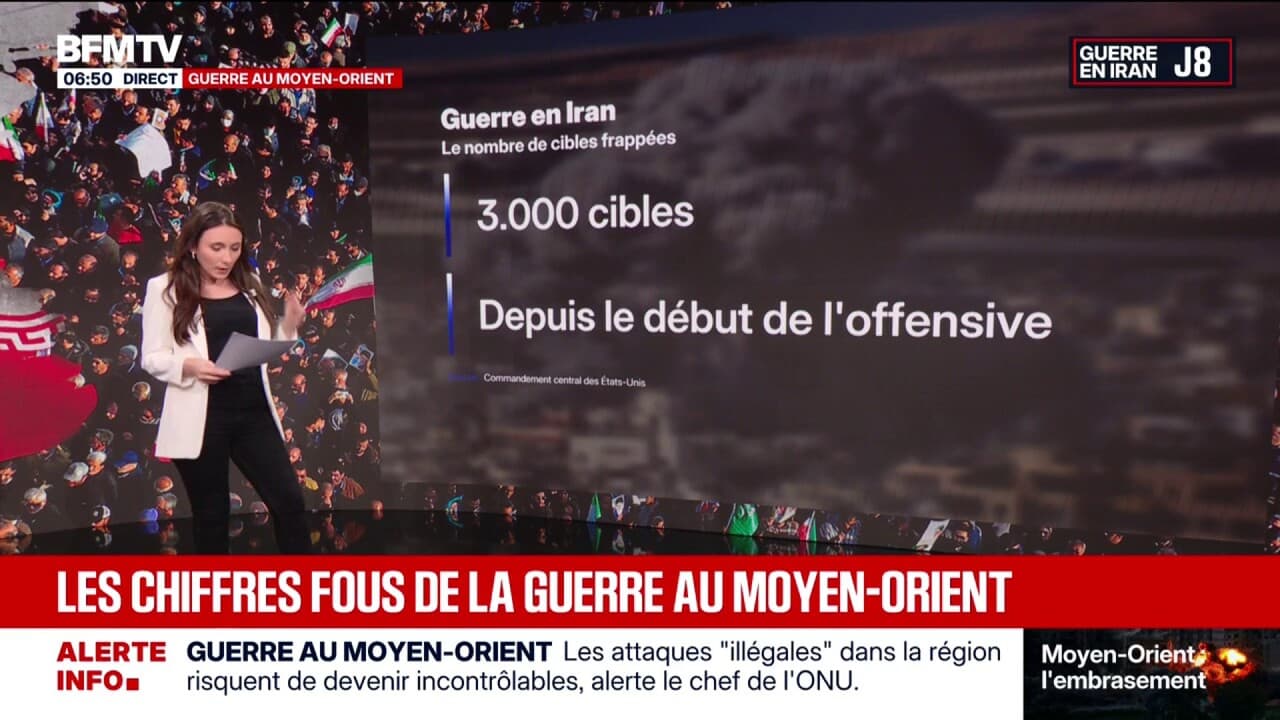
The conflict in the Middle East continues to escalate, entering its eighth day on Saturday, March 7, 2026, with reports of explosions in Dubai, Manama, and Jerusalem. Amidst the ongoing exchanges of strikes, the United States has announced plans to increase its arms production, signaling a deepening involvement in the region. The situation remains highly volatile, with significant economic repercussions already being felt globally. Understanding the financial implications of this conflict – the costs of military action, the disruption to energy markets, and the broader impact on global supply chains – is crucial for businesses and investors alike.
The immediate impact is being felt across several sectors. Oil prices have already seen a surge, reflecting concerns about potential disruptions to supply from the region. Shipping routes are being reassessed, adding to logistical challenges, and costs. The increased geopolitical risk is prompting a flight to safety, with investors seeking refuge in traditional safe-haven assets like gold and the US dollar. The scale of the conflict, and the potential for further escalation, presents a complex and evolving set of challenges for the global economy.
Escalating Tensions and Regional Impact
Explosions were reported early Saturday morning in Dubai, United Arab Emirates, and in Manama, Bahrain, according to correspondents from the Agence France-Presse. BFMTV reports that an explosion also occurred in Jerusalem following an alert regarding a potential Iranian missile. These events underscore the widening scope of the conflict and the increasing risk of regional destabilization. The direct targeting of civilian areas, even if unintentional, raises serious humanitarian concerns and adds to the pressure for a diplomatic resolution.
Adding to the tensions, the Lebanese official news agency Ani reported that Israeli soldiers attempted to position themselves along the Lebanon-Syria border, though Israel has yet to comment on the matter. Le Monde reports that the Israeli army claims to be targeting governmental sites within Tehran. This escalation follows an attack by Iran, prompting Israel’s response. The potential for miscalculation and unintended consequences is high, making de-escalation efforts paramount.
The Financial Cost of Conflict
While precise figures are difficult to ascertain in the early stages of a conflict, initial estimates suggest a substantial financial toll. Reports indicate that approximately $900 million per day is being spent on military operations. This figure encompasses the cost of munitions, personnel, logistical support, and the deployment of military assets. The United States’ decision to increase arms production, as reported by BFMTV, further underscores the escalating financial commitment.
Beyond direct military spending, the conflict is disrupting global trade and investment flows. The disruption to oil supplies is a major concern, with potential for significant price increases. The Birmanese government has already announced restrictions on fuel consumption due to disruptions in oil supply, as reported by Le Monde. This highlights the ripple effects of the conflict extending far beyond the immediate region. Increased insurance premiums for shipping, rerouting of vessels, and potential delays are all contributing to higher costs for businesses.
Impact on Key Industries
Several industries are particularly vulnerable to the fallout from the conflict. The energy sector is facing immediate pressure, with oil prices reacting to the heightened geopolitical risk. Airlines are also affected, as airspace closures and rerouting add to fuel costs and flight times. The tourism industry in the region is likely to suffer a significant downturn, as travelers avoid areas perceived as unsafe. The technology sector, which relies heavily on global supply chains, could experience disruptions due to the conflict’s impact on manufacturing and logistics.
The defense industry, unsurprisingly, is poised to benefit from the increased military spending. The US State Department’s approval of a $151.8 million sale of 12,000 470kg bombs to Israel, as reported by BFMTV, is a clear indication of this trend. However, the long-term economic consequences of increased military spending could outweigh any short-term gains for the defense sector.
Humanitarian Crisis and Economic Strain in Lebanon
The conflict is also exacerbating existing humanitarian crises in the region. Reports from the Lebanese Ministry of Health indicate that 16 people were killed in Israeli strikes in the Baalbek region of eastern Lebanon on Friday, with approximately 35 others injured. BFMTV details this tragic loss of life. Lebanon, already grappling with a severe economic crisis, is particularly vulnerable to the spillover effects of the conflict. The destruction of infrastructure and the displacement of populations will further strain the country’s limited resources.
The economic impact on Lebanon is multifaceted. The disruption to trade routes, the decline in tourism, and the increased security risks are all contributing to a worsening economic outlook. The country’s already fragile financial system is under immense pressure, and the risk of further economic collapse is growing. International aid will be crucial to mitigating the humanitarian crisis and supporting Lebanon’s economic recovery.
Dubai Airport Resumes Partial Operations
Despite the disruptions, efforts are underway to restore essential services. Dubai International Airport, the world’s busiest airport for international traffic, has partially resumed operations after a brief suspension due to the strikes. BFMTV reports that some flights are now operating from both Dubai International Airport (DXB) and Dubai World Central – Al Maktoum International Airport (DWC). This partial resumption of operations is a positive sign, but significant disruptions are still expected.
The ability of Dubai to quickly restore partial operations demonstrates the resilience of the region’s infrastructure. However, the ongoing conflict poses a continuing threat to air travel and trade. Businesses relying on air freight and passenger travel through Dubai should prepare for potential delays and disruptions.
The situation in the Middle East remains highly fluid and unpredictable. The escalating conflict, the rising financial costs, and the growing humanitarian concerns demand a concerted effort to de-escalate tensions and discover a peaceful resolution. The global economic impact is already being felt, and the potential for further disruption is significant. Businesses and investors must closely monitor developments and prepare for a prolonged period of uncertainty.
Looking ahead, the focus will be on diplomatic efforts to secure a ceasefire and prevent further escalation. The United Nations Security Council is expected to convene an emergency session to discuss the crisis. The outcome of these discussions will be critical in determining the future trajectory of the conflict. World Today Journal will continue to provide updates and analysis as the situation evolves.
What are your thoughts on the economic implications of the conflict? Share your insights in the comments below.