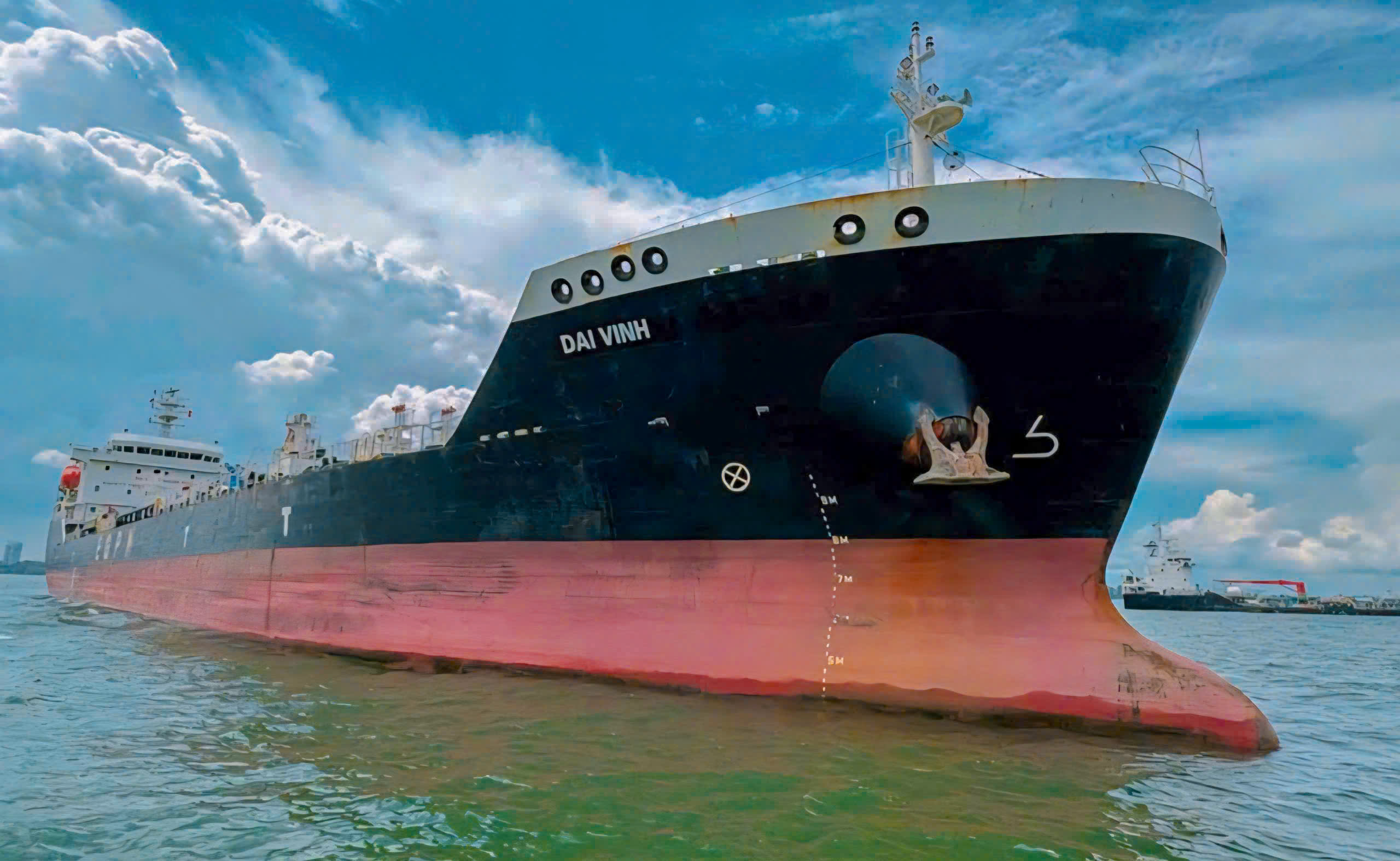
London, UK – Escalating tensions in the Middle East are sending ripples through global shipping, manifesting in three key cost pressures: soaring fuel prices, increased insurance premiums, and altered shipping routes. These factors are collectively driving up the cost of transporting goods worldwide, with potential consequences for consumers and businesses alike. The situation, while complex, underscores the fragility of global supply chains and their vulnerability to geopolitical instability.
The immediate trigger for these rising costs is the disruption to maritime traffic in critical waterways, particularly the Red Sea and the Gulf of Aden. Attacks on commercial vessels, attributed to Houthi militants in Yemen, have forced many shipping companies to divert their routes, primarily around the Cape of Good Hope in South Africa. This adds thousands of nautical miles to voyages between Asia and Europe, significantly increasing transit times and fuel consumption. The impact is being felt across multiple sectors, from oil and gas to retail, and manufacturing.
Fuel Costs Surge Amidst Geopolitical Uncertainty
Oil prices have already reacted sharply to the increased instability. On March 2, 2026, Brent crude, the international benchmark, saw a significant jump, briefly reaching $82.37 a barrel – the highest level since January 2025. As reported by Tagesschau, this represents a more than 10% increase in the morning trading session. While prices have since moderated slightly, settling at $78.05 per barrel for April delivery, the underlying pressure remains. US West Texas Intermediate (WTI) also experienced a surge, peaking at $75.33 before falling back to $71.52.
The increased distance traveled by ships due to rerouting is the primary driver of higher fuel demand. A longer voyage directly translates to more fuel burned, and with oil prices elevated, the cost per shipment rises proportionally. The situation is further complicated by concerns that the conflict could escalate and potentially disrupt oil production or damage critical infrastructure in the region. The Strait of Hormuz, a vital chokepoint for global oil supplies, remains a focal point of anxiety, with Iran having previously threatened to block passage.
Insurance Premiums Skyrocket as Risk Assessment Changes
Beyond fuel costs, insurance premiums for vessels transiting the Red Sea and Gulf of Aden have experienced a dramatic increase. Insurance companies are reassessing the risk profile of these routes, factoring in the heightened threat of attacks. According to Industriemagazin, this is a direct response to the increased geopolitical risk. The cost of insuring a ship to pass through these waters has risen exponentially, adding a significant burden to shipping companies.
The increase in premiums isn’t uniform. it varies based on the vessel type, flag state, and the specific route taken. Still, the overall trend is undeniably upward. Some vessels are opting to avoid the region altogether, even if it means significantly longer transit times, simply to mitigate the insurance costs and the risk of damage or loss. This avoidance further exacerbates congestion on alternative routes, contributing to overall delays and higher prices. The lack of insurance availability for certain routes is also becoming a concern, potentially hindering trade flows.
Shipping Routes Diverted, Adding Time and Complexity
The most visible impact of the crisis is the widespread rerouting of ships around the Cape of Good Hope. While this detour avoids the immediate danger zone, it adds approximately 3,500 nautical miles to a typical Asia-Europe voyage, extending transit times by 10-14 days. This extended timeframe has cascading effects throughout the supply chain.
The diversion impacts not only container ships carrying consumer goods but also tankers transporting oil and gas. MarketScreener reports that freight rates for Very Large Crude Carriers (VLCCs) transporting oil from the Middle East to China have reached all-time highs, with the TD3 rate climbing to W419 on the Worldscale index on March 3, 2026. This translates to approximately $423,736 per day, more than double the rate seen just days prior.
The rerouting also creates congestion at ports along the alternative routes, particularly at South African ports. This congestion can lead to further delays and increased costs as ships wait to load and unload cargo. The logistical challenges are compounded by the need for increased coordination between shipping companies, port authorities, and other stakeholders.
Impact on Air Freight
The disruption isn’t limited to maritime transport. Air freight is also feeling the pressure. Several airlines have been forced to adjust their flight routes to avoid airspace in the Middle East, leading to longer flight times and reduced capacity. Industriemagazin notes that air freight rates between Southeast Asia and Europe have risen by over 6% in a matter of days, reaching $3.82 per kilogram. The overall reduction in global air freight capacity is adding to the strain on supply chains.
Broader Economic Implications
The combined effect of higher fuel prices, increased insurance premiums, and rerouted shipping lanes is contributing to inflationary pressures globally. Higher transportation costs are inevitably passed on to consumers in the form of higher prices for goods. Businesses are also facing increased costs for raw materials and components, which could impact production levels and investment decisions.
The disruption to supply chains is particularly concerning for industries that rely on just-in-time inventory management. Delays in shipments can lead to shortages of critical components, disrupting production processes and potentially impacting economic growth. The situation highlights the importance of diversifying supply chains and building resilience into global logistics networks.
What Happens Next?
The immediate future remains uncertain. The situation is highly fluid and dependent on the evolution of the geopolitical landscape in the Middle East. Continued attacks on commercial vessels could lead to further disruptions and even higher costs. A potential escalation of the conflict, involving direct military intervention by major powers, could have even more severe consequences for global trade.
The next key development to watch will be the response of international maritime organizations and governments to the crisis. Efforts to establish safe corridors for commercial vessels and to enhance security in the region are crucial. The effectiveness of these measures will determine the extent to which the disruption to global shipping can be mitigated. The International Maritime Organization (IMO) is expected to convene a special session in late March 2026 to discuss the situation and coordinate a response.
The current situation serves as a stark reminder of the interconnectedness of the global economy and the vulnerability of supply chains to geopolitical shocks. Businesses and policymakers alike must prioritize building resilience and diversifying supply sources to mitigate the risks posed by future disruptions.
Do you have thoughts on how these shipping disruptions will impact your business or daily life? Share your comments below, and please share this article with your network.
Related reading