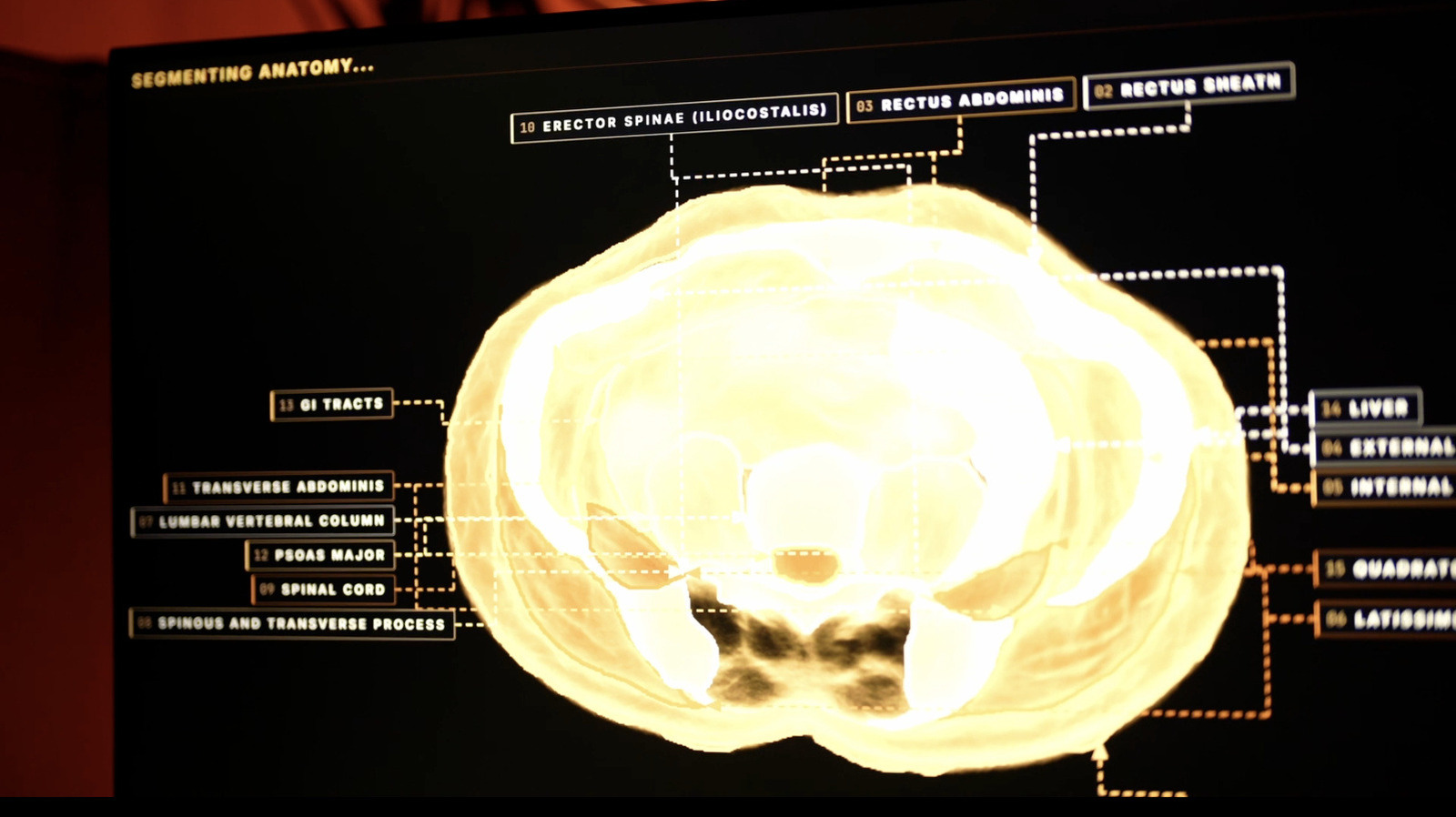
Midjourney, the artificial intelligence research lab best known for its generative image platform, has initiated its first foray into hardware development with the creation of a full-body ultrasonic scanner. According to company communications shared by founder David Holz, the project represents a significant departure from the firm’s software-centric roots, moving into the realm of physical imaging technology. The device aims to provide high-resolution, non-invasive internal body scans, signaling a pivot toward integrating generative AI with specialized medical-grade hardware.
The announcement, which surfaced via internal updates and subsequent industry reports, positions Midjourney as a competitor in the emerging market for accessible, AI-augmented health diagnostics. While the company has built its reputation on text-to-image synthesis, the new hardware project suggests a long-term strategy of applying machine learning models to physical sensor data. As of the latest updates from the firm, the hardware is currently in a prototype phase, with developers testing its capacity to interpret ultrasonic waveforms through proprietary neural networks.
Shifting from Generative Art to Physical Hardware
The transition from software to hardware marks a notable evolution for a company that has primarily focused on the Midjourney image generator. By applying the same logic used to render detailed pixel-based imagery, the engineering team is reportedly working to “denoise” and interpret complex ultrasonic signatures. This process, often referred to as AI-driven image reconstruction, allows for clearer internal visuals than traditional ultrasound equipment, which historically relies on manual interpretation by technicians.
Industry analysts have noted that the integration of generative models into medical imaging could reduce the time required for diagnostic screening. However, the move also introduces significant regulatory hurdles. According to the U.S. Food and Drug Administration (FDA), hardware intended for diagnostic medical purposes must undergo rigorous pre-market approval to ensure safety and clinical efficacy, a process that can span several years. Midjourney has not yet disclosed whether the device is intended for clinical use or consumer-level wellness tracking, a distinction that fundamentally alters the regulatory requirements for the product.
How AI-Enhanced Ultrasonic Imaging Functions
The core technology behind the scanner involves capturing high-frequency sound waves and processing them through a generative model. Unlike standard ultrasound machines that output raw, often grainy imagery, the Midjourney system aims to “fill in” missing data points using predictive AI. This method is similar to how the company’s image models predict pixel arrangements based on user prompts, though here the input is acoustic data rather than text.
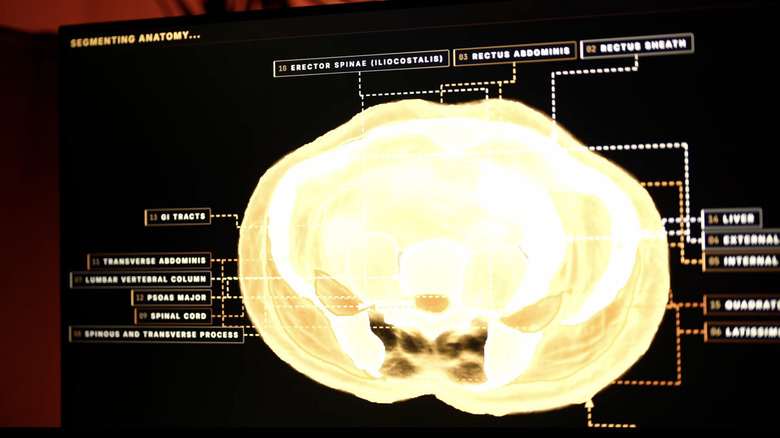
The technical challenge lies in the accuracy of the reconstruction. In medical fields, “hallucinations”—a common phenomenon in generative AI where the system creates plausible but incorrect data—are a significant concern. Researchers in the field of medical imaging, such as those published in the Nature Portfolio journals, have repeatedly emphasized that AI tools in medicine must prioritize interpretability and clinical verification over purely aesthetic or smoothed outputs. Whether Midjourney’s hardware can meet these clinical standards remains a subject of ongoing internal testing.
Market Context and Industry Implications
Midjourney’s entry into the hardware space coincides with a broader trend of Silicon Valley firms attempting to disrupt the healthcare sector through proprietary AI. Other entities, including major tech conglomerates and specialized startups, are currently competing to lower the cost of medical imaging. By utilizing commodity hardware components combined with advanced software, these companies aim to make diagnostic tools more portable and affordable for global markets.
The move also underscores a shift in how AI companies view their growth trajectory. By controlling both the hardware (the sensor) and the software (the processing model), Midjourney is attempting to create a “vertical” experience, similar to the business model popularized by companies like Apple or Tesla. This approach allows for tighter integration between the hardware’s capabilities and the software’s optimization, potentially creating a performance gap between Midjourney’s product and existing third-party software solutions.
Future Milestones and Regulatory Compliance
As the project progresses, the next critical checkpoint for the company will be the release of peer-reviewed data regarding the scanner’s diagnostic accuracy. Such data is typically a prerequisite for any device seeking certification from health authorities. Furthermore, the company will likely need to address data privacy concerns, particularly regarding how the AI processes and stores sensitive physiological information.
There is currently no official release date for the scanner. Industry observers expect that the coming months will bring further technical disclosures as the company moves from the research-and-development stage toward potential partnerships with medical research institutions. For those following the intersection of artificial intelligence and healthcare, official updates will likely be disseminated through the company’s community channels or future regulatory filings.
What are your thoughts on the integration of generative AI into medical hardware? We invite our readers to share their insights on the potential benefits and risks of this emerging technology in the comments section below.
Worth a look