The Midlife Weight loss Paradox: New Research Reveals Potential Brain Health Impacts
Is weight loss always beneficial? For decades, the answer has been a resounding yes. But emerging research is challenging that assumption, notably when it comes to weight loss during midlife. while shedding excess weight remains crucial for metabolic health, a groundbreaking new study suggests it may trigger unexpected inflammation in the brain, raising questions about long-term neurological consequences. Could the path to a healthier body inadvertently impact cognitive function? Let’s delve into the science.
The Shifting Landscape of Weight Loss and Age
Obesity is a global health crisis, and weight loss is frequently recommended to mitigate its associated risks. However, the body’s response to weight loss isn’t static; it changes with age.While younger adults typically experience straightforward health benefits from weight reduction, the picture becomes considerably more complex in midlife.
A recent study from Ben-Gurion University of the Negev (BGU) sheds light on this complexity. Researchers investigated the effects of diet-induced obesity and subsequent weight loss in both young adult and mid-aged mice. The results, published in GeroScience, revealed a surprising divergence.
Inflammation in the Hypothalamus: A Cause for Concern
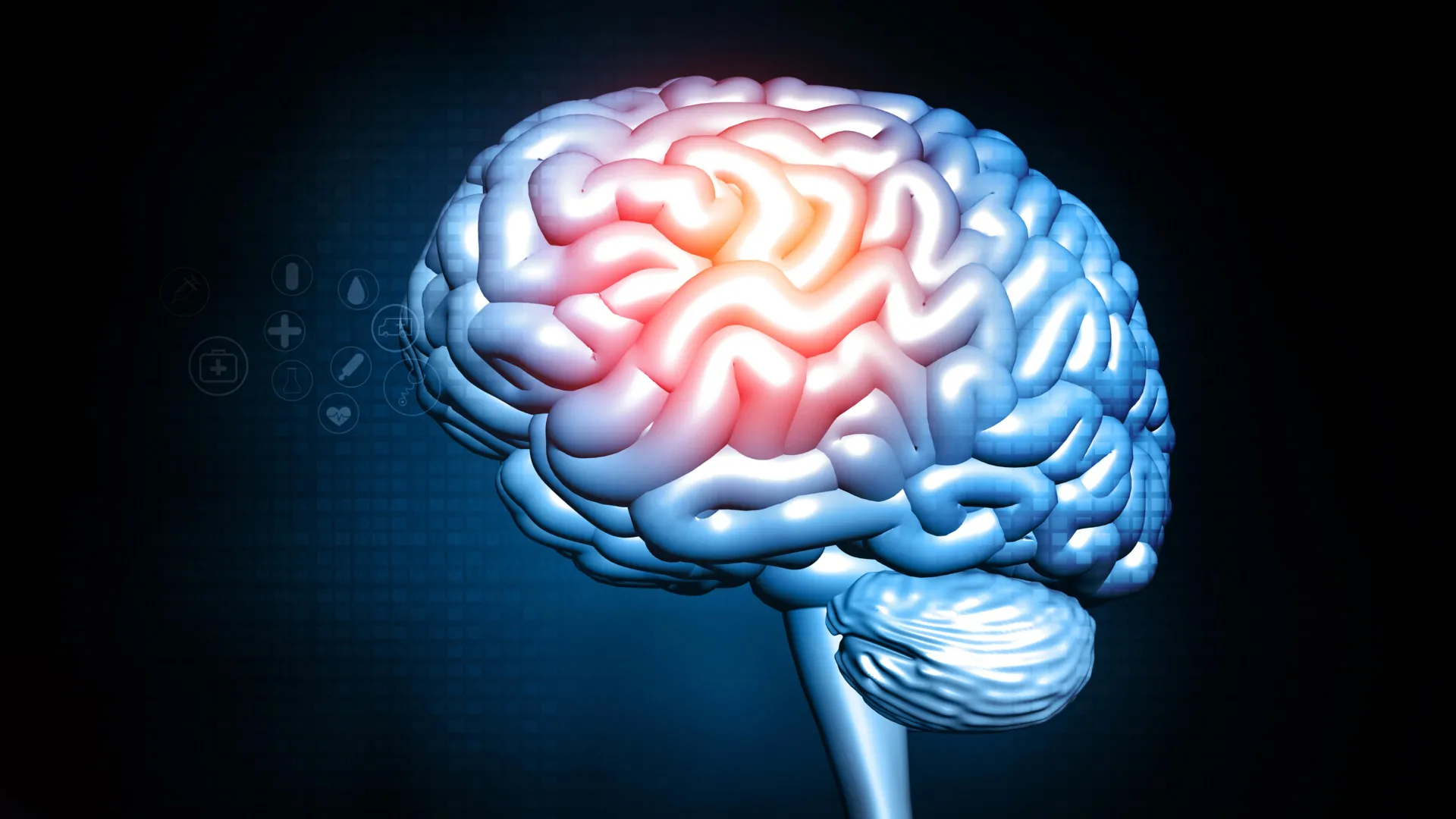
In both age groups, weight loss effectively restored healthy blood glucose control – a important metabolic win. However, mid-aged mice exhibited a notable increase in inflammation within the hypothalamus, a critical brain region responsible for regulating appetite, energy expenditure, and numerous other vital functions.
This wasn’t a subtle change. Researchers detected the inflammatory response at the molecular level and confirmed it through detailed microscopic imaging of microglia, the brain’s resident immune cells. The inflammation persisted for several weeks before gradually subsiding.
While the long-term implications of this temporary inflammation remain under investigation - it could even contribute to the metabolic improvements observed – the findings are undeniably concerning. Chronic or poorly managed brain inflammation is a known risk factor for cognitive decline and neurodegenerative diseases like Alzheimer’s. This study underscores the need to re-evaluate our understanding of weight loss in midlife and its potential interplay with brain health.
Beyond Metabolism: A Holistic View of Midlife Weight Management
“Our findings show that losing weight in midlife is not a simple copy-and-paste of what works in young adulthood,” explains Alon Zemer, M.D.-Ph.D. candidate and lead author of the study. “Weight loss remains essential for restoring metabolic health in obesity, but we need to understand the impact of weight loss on the mid-age brain and ensure brain health is not compromised.”
Dr.Alexandra Tsitrina emphasizes the complex methodology employed in the research. “Our study characterizes the body’s adaptive response to weight loss through two complementary dimensions – molecular and structural. This high-end imaging by advanced microscopy and image analysis with advanced computational analysis enable detection of sensitive changes with potential health ramifications.”
What does This Mean for You?
This research doesn’t suggest avoiding weight loss in midlife. Instead, it calls for a more nuanced and personalized approach. It highlights the importance of considering brain health alongside metabolic health when developing weight management strategies.
Here’s what you should discuss with your healthcare provider:
* Personalized Weight Loss Plans: A one-size-fits-all approach is unlikely to be optimal. Your plan should consider your age, health history, and individual risk factors.
* Inflammation-Reducing Strategies: Incorporate foods known to combat inflammation, such as those rich in omega-3 fatty acids (salmon, flaxseeds, walnuts), antioxidants (berries, leafy greens), and fiber.
* Brain-Healthy Lifestyle: Prioritize regular exercise, adequate sleep, stress management techniques, and mentally stimulating activities to support cognitive function.
* Monitoring & Evaluation: Regular check-ups and potentially neurological assessments can help monitor brain health during and after weight loss.
Future Research: Protecting your Brain While achieving Your Weight Goals
The BGU research team is committed to further investigation. Future studies will focus on identifying the specific mechanisms driving this midlife brain inflammation and exploring potential interventions to mitigate its effects. The ultimate goal is to develop strategies that allow individuals to reap the metabolic benefits of weight loss without compromising their long-term brain health.
This study was supported by internal grants at BGU (Ilse Katz Institute of Nanoscale Science and Technology), and grants from the US-Israel Binational Science Foundation (Grant no. 2021083) and the Israel Science Foundation (Grant No. 194/24).
Evergreen Insights: The Importance of Lifelong Brain Health
Maintaining brain health isn’t solely about preventing neurodegenerative diseases. It’s about optimizing cognitive function throughout your life, enhancing your quality of life, and preserving your independence. Factors like diet, exercise, social
Keep reading
- International Reproductive Medicine in Europe: A Guide for Future Parents
- Does Vestibular Stimulation Help Premature Babies? Evidence and Effects
- Havenwood Heritage Heights Concord NH: Fitness Centers, Outdoor Activities, and Health Services for Seniors (news-usa.today)
- PCOS to PMOS: Why the Name Change Matters for Women’s Health (archynewsy.com)