
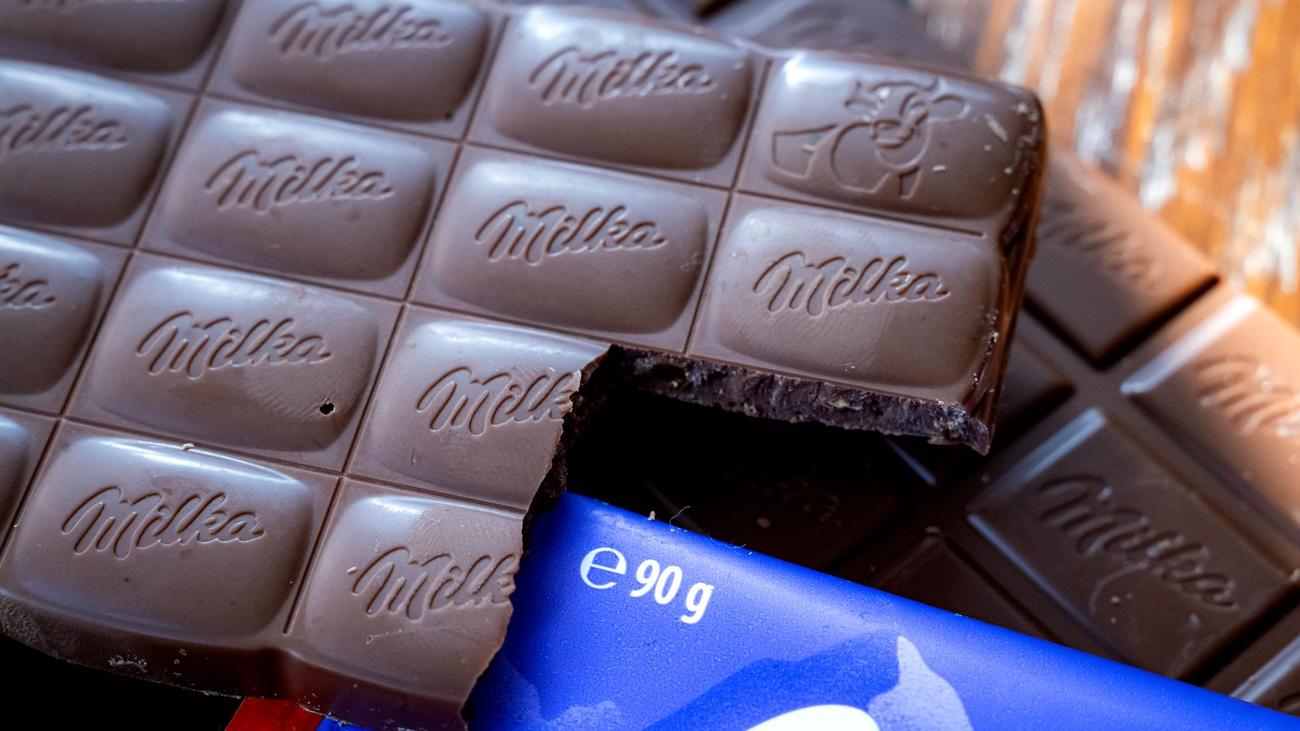
In a decision that highlights the growing tension between corporate pricing strategies and consumer transparency, the Regional Court of Bremen (Landgericht Bremen) has ruled that certain Milka chocolate bars are misleading to consumers. The court found that the reduction of product content—a practice commonly known as “shrinkflation”—combined with packaging that does not clearly signal this change, violates German competition law.
This Milka shrinkflation court ruling serves as a significant warning to food manufacturers across Europe. For many shoppers, the discovery that their favorite treat has become smaller while the price remains stagnant is a frustrating experience. However, the legal issue at hand is not the reduction of the product itself, but the perceived deception in how that reduction is presented to the public. When a brand maintains the visual identity and packaging dimensions of a product while decreasing the actual weight, it can lead consumers to make purchasing decisions based on false assumptions.
The ruling emphasizes the necessity of “fair play” in the marketplace, a principle that resonates far beyond the confectionery aisle. As a journalist who has spent over a decade covering the ethics of professional sports, I see a clear parallel here: whether It’s on the pitch or in the supermarket, the rules of engagement must be transparent. When the goalposts are moved without notifying the participants, the integrity of the game—or in this case, the transaction—is compromised.
The Legal Basis of the Bremen Court Decision
The core of the dispute centers on the German Act Against Unfair Competition (Gesetz gegen den unlauteren Wettbewerb, or UWG). Under this legal framework, businesses are prohibited from using misleading commercial practices that could distort the economic behavior of the consumer. The Landgericht Bremen determined that the new Milka bars were “irreführend,” or misleading, because the packaging did not sufficiently alert the buyer to the fact that the content had been reduced Landgericht Bremen.
In these types of cases, courts typically examine whether a “reasonable consumer” would be misled. If the packaging looks virtually identical to the previous, larger version, the court argues that the consumer is led to believe they are purchasing the same amount of chocolate. This creates a “hidden” price increase, as the cost per gram rises while the shelf price remains the same, depriving the consumer of the ability to make an informed comparison with competing products.
The court’s decision indicates that while manufacturers have the right to adjust their product weights to combat rising raw material costs, they do not have the right to hide those changes behind deceptive design. The ruling mandates that such changes must be communicated clearly, ensuring that the consumer is not tricked into paying more for less.
Understanding Shrinkflation and Its Impact
Shrinkflation is a portmanteau of “shrink” and “inflation.” It occurs when a company reduces the size or quantity of a product while keeping its retail price the same. This strategy is often preferred by companies over direct price hikes because consumers are generally more sensitive to a price change on the tag than they are to a few grams missing from a chocolate bar or a few fewer chips in a bag.
For a global giant like Mondelez International, which manages the Milka brand, these adjustments are often framed as responses to the volatile costs of cocoa, and sugar. However, the legal line is crossed when the packaging is used to mask these reductions. When the physical dimensions of the wrapper remain the same, but the chocolate bar inside is smaller or thinner, it creates a visual illusion of value that no longer exists.
This practice affects millions of consumers globally, but it is particularly scrutinized in the European Union, where consumer protection laws are among the strictest in the world. The European Commission has previously highlighted the need for better transparency in food labeling to protect consumers from deceptive practices during periods of high inflation.
| Strategy | Action | Consumer Perception | Legal Risk |
|---|---|---|---|
| Direct Price Hike | Price increases; weight stays same. | Immediate awareness; high frustration. | Low (Market-driven). |
| Shrinkflation | Price stays same; weight decreases. | Delayed awareness; feeling of deception. | High (if packaging is misleading). |
| Transparent Reduction | Price stays same; weight decreases; label clearly states “New Lower Weight.” | Awareness; perceived honesty. | Low (Compliant with UWG). |
Who Is Affected and What Happens Next?
The immediate impact of the Milka shrinkflation court ruling falls on the manufacturer and the retailers who stock the products. If the court’s injunction is upheld and becomes final, the company may be forced to redesign its packaging to explicitly state the weight reduction or revert to the previous product size to avoid further penalties.
Consumers are the primary beneficiaries of this ruling. By enforcing transparency, the court ensures that the “right to know” is upheld. When a product is clearly labeled as having a reduced weight, consumers can calculate the unit price (price per 100g) more effectively and decide if the product still offers value for their money.
Beyond the immediate legal battle, this case sets a precedent for other food and beverage companies. Many brands have adopted similar tactics to maintain profit margins amid the rising costs of ingredients. This ruling suggests that the German judiciary is becoming less tolerant of “stealth” reductions and will prioritize the consumer’s right to transparent information over a company’s desire for seamless pricing transitions.
Key Takeaways for Consumers
- Check the Unit Price: Always look at the price per kilogram or 100 grams on the shelf label rather than the total price of the item.
- Be Skeptical of “Same Price” Claims: If a price hasn’t moved in months during high inflation, check the weight of the product.
- Report Deception: Consumer protection agencies, such as the Verbraucherzentrale in Germany, rely on consumer reports to launch these legal challenges.
The Broader Context of Consumer Rights in Germany
Germany has a robust tradition of consumer advocacy. The role of the Verbraucherzentralen (Consumer Advice Centers) is pivotal in these cases, as they often act as the plaintiff in lawsuits against large corporations. These organizations monitor the market for unfair practices and use the UWG to hold companies accountable.

The fight against misleading packaging is part of a larger movement toward “conscious consumption.” Today’s consumers are more likely to boycott brands that they perceive as dishonest. For a brand like Milka, which relies heavily on an image of purity, Alpine nature, and trust, a legal ruling labeling its practices as “misleading” can cause significant brand erosion that far outweighs the short-term gains of shrinking a chocolate bar.
this ruling aligns with broader EU directives aimed at enhancing the “Green Claims” and general transparency of product labeling. As the EU moves toward more sustainable packaging, the opportunity for companies to hide product reductions within oversized boxes or wrappers is diminishing, as regulators push for “right-sized” packaging to reduce waste.
Frequently Asked Questions
Is it illegal to reduce the size of a product?
No, it is not illegal for a company to change the weight of its product. It becomes illegal only when the change is hidden or presented in a way that misleads the consumer into thinking they are getting the original amount.
What does “irreführend” mean in this legal context?
In German competition law, “irreführend” (misleading) refers to any commercial practice that contains false information or is likely to deceive the average consumer, even if the information is technically true (e.g., the weight is printed in slight text, but the box remains the same size).
Will this affect Milka bars in other countries?
While the ruling is specific to the Landgericht Bremen and German law, companies often standardize packaging globally. A legal defeat in a major market like Germany often prompts a company to update its packaging across other regions to avoid similar lawsuits.
Looking Ahead: The Next Checkpoints
The legal process in Germany allows for appeals. The next confirmed checkpoint will be whether Mondelez International chooses to appeal the Landgericht Bremen’s decision to a higher court. If an appeal is filed, the ruling may be stayed, or the case may move to the Higher Regional Court (Oberlandesgericht) for a final determination.
Regardless of the appeal, the industry is watching closely. This case is a bellwether for how “shrinkflation” will be handled in the post-inflationary era. We expect further filings from consumer protection groups targeting other categories, such as laundry detergents and snack foods, using the Bremen ruling as a blueprint.
Do you feel you’ve been affected by shrinkflation in your favorite snacks? We want to hear your experiences. Share your thoughts in the comments below or share this article to help other consumers stay informed.