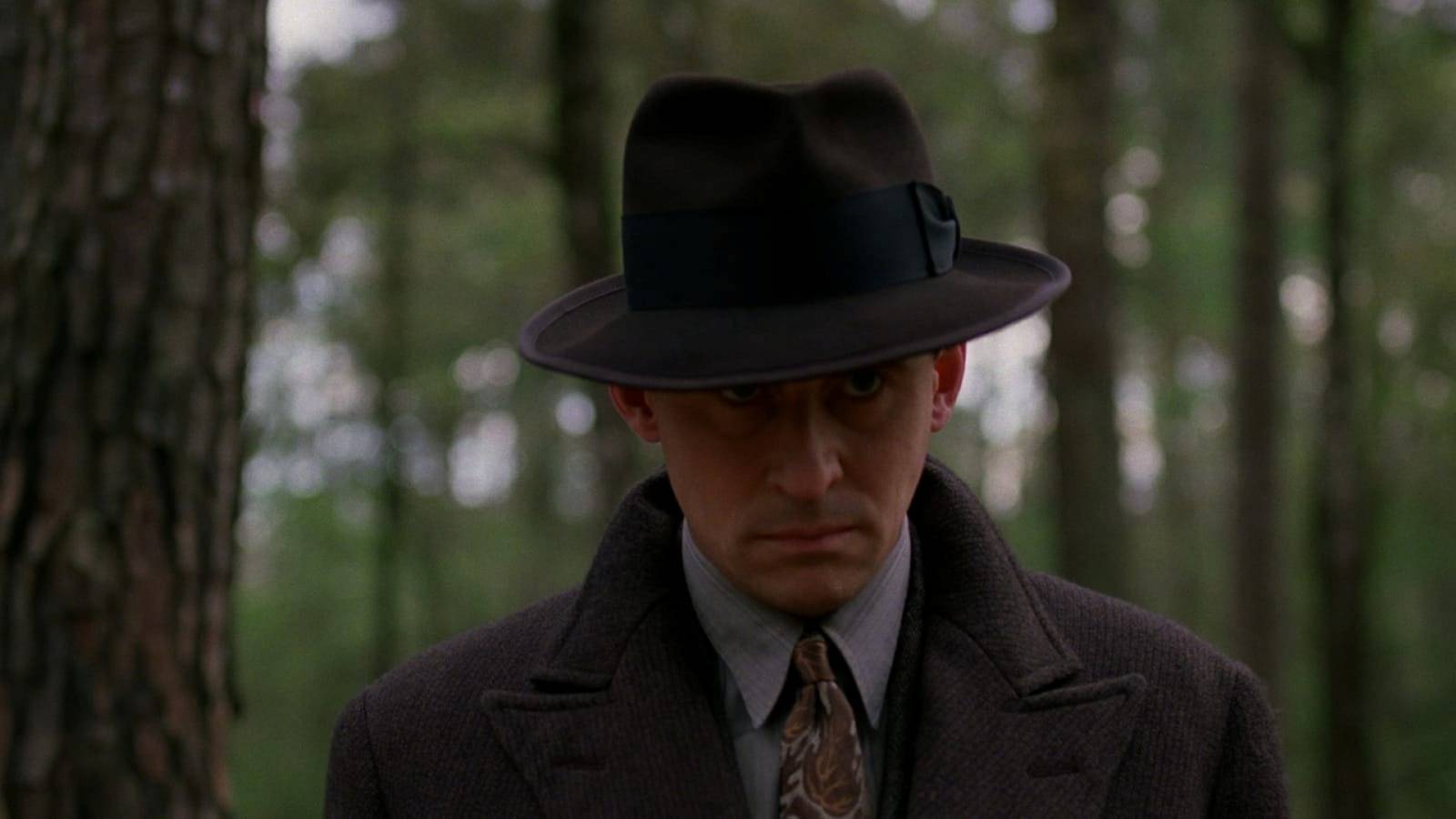
Decoding the coens’ “Miller’s Crossing”: A Masterclass in Noir and Wordplay
“Miller’s Crossing” often feels like a film slightly out of time, a beautifully crafted piece that didn’t promptly resonate with audiences in 1990. However, revisiting this neo-noir reveals a pivotal moment in the Coen brothers‘ evolution, showcasing their unique blend of genre homage, linguistic brilliance, and understated tension.It’s a film that rewards repeated viewings,revealing layers of complexity and a distinct cinematic voice.
From Writer’s Block to Gangland Slang
The screenplay emerged after a period of creative struggle for the coens, a challenge that directly informed their subsequent film, “Barton Fink.” While “Barton Fink” explicitly tackles writer’s block,”Miller’s Crossing” explores it more subtly.Consider the contrast: the film is brimming with vibrant, almost overwhelming dialogue from its gangster characters.
This verbal dexterity is a clear demonstration of the Coens’ love for language.Steve Buscemi’s iconic scene, a rapid-fire monologue delivered with breathless energy, stands as a testament to their gratitude for the power of words. Yet, the protagonist, Tom Reagan, remains comparatively reserved.
he doesn’t engage in the self-pitying pronouncements of other cinematic anti-heroes, nor does he revel in the boisterous camaraderie of a typical gangster crew. This purposeful choice highlights the Coens’ approach to genre. they aren’t simply replicating familiar tropes; they’re deconstructing and reimagining them.
A Unique Blend of Genres
The Coens masterfully weave together elements of classic film noir and screwball comedy. This fusion isn’t about creating a chaotic mashup, but rather a harmonious blend that feels both familiar and strikingly original. You’ll notice a joyousness in their homages, a playful awareness of cinematic history.
Their vision of the gangster film is a clever, almost academic exercise. It’s a deliberate departure from the adrenaline-fueled intensity of films like Scorsese’s “Goodfellas.” The Coens prioritize atmosphere, character, and dialogue over sheer spectacle.
Visual Style and Emerging Talent
“Miller’s Crossing” is visually stunning, thanks to the exceptional cinematography of Barry Sonnenfeld.Sonnenfeld was on the cusp of his own directorial success, soon to helm “The Addams Family.” His work here establishes a distinct visual language, enhancing the film’s mood and sense of unease.
The film’s humor is also a key component of its appeal. Polito’s pronouncements – his obsession with “high hats” and colorful slang like “yeggs” – provide moments of levity. Though, the underlying tension never fully dissipates.
This ability to balance humor and suspense would become a hallmark of the Coens’ later work, reaching its peak in films like “Fargo” and “No Country for Old Men.” While “Miller’s Crossing” didn’t immediately achieve widespread recognition, it laid the groundwork for their future successes.
A Film Finding Its Voice
Looking back, “Miller’s Crossing” feels less like a misstep and more like a crucial step in the Coens’ artistic journey. It’s a film where they are actively discovering and refining their signature style.You can sense them experimenting with tone, structure, and characterization.
It’s a testament to their talent that even in this transitional phase, they created a film that is both intellectually stimulating and deeply entertaining. “Miller’s Crossing” isn’t just a grate gangster film; it’s a captivating glimpse into the minds of two of cinema’s most original and influential filmmakers.
Keep reading