
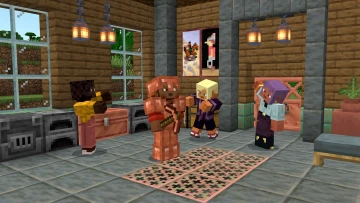
San Francisco, May 13, 2026 — Minecraft Java Edition is about to make multiplayer gaming simpler, more accessible, and potentially more affordable for millions of players worldwide. Mojang Studios, the Swedish game development company behind the iconic sandbox game, has announced plans to introduce a peer-to-peer (P2P) multiplayer system for Java Edition. This update, expected to revolutionize how players connect and collaborate, will allow friends to join each other’s worlds without requiring a dedicated server or third-party hosting service.
For the past decade, Minecraft’s Java Edition has relied on server-based multiplayer, where one player must host a server or use external services like Minecraft Realms or third-party hosts. This system, while robust, has created barriers for casual players—high costs, technical hurdles, and latency issues for those without strong internet infrastructure. The upcoming P2P system aims to address these challenges by leveraging direct connections between players’ devices, similar to how many modern games handle online play.
While Mojang has not yet provided an official release date for this feature, industry insiders and community forums suggest it could arrive as early as late 2026, potentially coinciding with major updates like the upcoming Minecraft LIVE! event on May 30. The change is part of a broader trend in gaming toward decentralized, low-barrier multiplayer experiences, aligning with player demand for flexibility and cost savings.
How Peer-to-Peer Multiplayer Will Work in Minecraft Java Edition
The peer-to-peer system will allow players to host games directly from their local machines, with Mojang’s servers acting as a matchmaking and authentication layer rather than a full game host. This means:
- No server costs: Players won’t need to pay for hosting or worry about server uptime.
- Lower latency: Direct connections between players could reduce lag, especially for local or regional groups.
- Simplified setup: Joining a friend’s world will require fewer technical steps, making multiplayer more accessible to beginners.
- Scalability limits: While P2P will support compact to medium-sized groups, large-scale public servers may still require traditional hosting due to bandwidth and stability constraints.
Mojang has historically been cautious about disrupting the existing multiplayer ecosystem, which includes paid services like Realms and popular community servers. The company is expected to introduce safeguards, such as rate-limiting or bandwidth caps, to prevent abuse while ensuring fair play. Early technical tests suggest the system will prioritize stable connections, with automatic fallbacks to traditional server-based play if issues arise.
Who Benefits Most from This Update?
The P2P system is poised to benefit several key groups within the Minecraft community:
1. Casual Players and Families
Parents and educators who use Minecraft for family gaming or classroom projects will find it easier to set up multiplayer sessions without technical expertise. The elimination of server costs could also make the game more appealing for schools and community centers looking to adopt Minecraft for educational purposes.

2. Small Gaming Groups and Clans
Clans and friend groups who frequently play together but lack the resources for a dedicated server will gain more flexibility. The P2P system could enable spontaneous gaming sessions without the need to reserve or pay for server time.
3. Modders and Content Creators
Modders and YouTubers who rely on multiplayer for demonstrations or community events may see new opportunities. P2P could simplify the process of testing mods across different setups, though large-scale public modded servers may still require traditional hosting.

4. Players in Regions with Limited Infrastructure
In areas with unreliable internet or high latency, P2P connections could offer a more stable experience than relying on distant servers. This update could particularly benefit players in developing regions where server costs or bandwidth are prohibitive.
Potential Challenges and Considerations
While the P2P system promises significant advantages, it also introduces new considerations for players and Mojang:
1. Security and Cheating Risks
Direct peer connections could make it easier for cheaters to exploit local networks or bypass Mojang’s anti-cheat measures. The company will likely implement additional security protocols, such as encrypted connections and real-time monitoring, to mitigate these risks.
2. Bandwidth and Performance
Hosting a game locally requires a stable and high-speed internet connection. Players with limited bandwidth or leisurely upload speeds may struggle to host sessions smoothly. Mojang may introduce quality-of-service (QoS) settings to help users optimize their connections.
3. Compatibility with Existing Servers
The P2P system is expected to coexist with traditional servers, but players using mods or plugins may need to ensure compatibility. Mojang will likely provide guidelines and updates to help server administrators adapt.

4. Impact on Third-Party Hosting Services
Companies offering paid hosting services may see reduced demand for basic multiplayer setups. However, they could pivot to cater to larger communities or specialized use cases that P2P cannot support.
What’s Next for Minecraft Java Edition?
Mojang has not yet confirmed an exact release window for the P2P multiplayer feature, but the following timeline provides key milestones to watch:
- May 30, 2026: The upcoming Minecraft LIVE! event may offer official announcements or demonstrations of the P2P system.
- Late 2026: Beta testing could begin, with Mojang inviting select players or content creators to provide feedback.
- Early 2027: A full release is anticipated, though the exact date will depend on testing and community input.
In the meantime, players can stay updated by following Mojang’s official channels, including the Minecraft website, their X (Twitter) account, and the official YouTube channel. The community is already buzzing with speculation, and early technical previews suggest the feature could be as seamless as it is groundbreaking.
Key Takeaways
- The P2P system will eliminate the need for servers in small to medium-sized multiplayer games, reducing costs and complexity.
- Players will benefit from lower latency and simplified setup, though hosting may still require a stable internet connection.
- Security and performance will be critical focus areas for Mojang, with potential safeguards against cheating and bandwidth issues.
- Existing server-based multiplayer and third-party hosting services will likely continue to serve niche needs, such as large communities or modded worlds.
- An official release is expected in late 2026 or early 2027, with beta testing potentially beginning before then.
This update marks a significant shift in how Minecraft Java Edition handles multiplayer, and the community’s response will shape its final form. Have you tried P2P multiplayer in other games? What features would you want to see in Minecraft’s implementation? Share your thoughts in the comments below or join the discussion on r/Minecraft.
For more updates on Minecraft and other gaming innovations, subscribe to World Today Journal’s Tech section. Stay tuned for our coverage of the May 30 Minecraft LIVE! event, where we’ll bring you the latest announcements straight from Mojang.