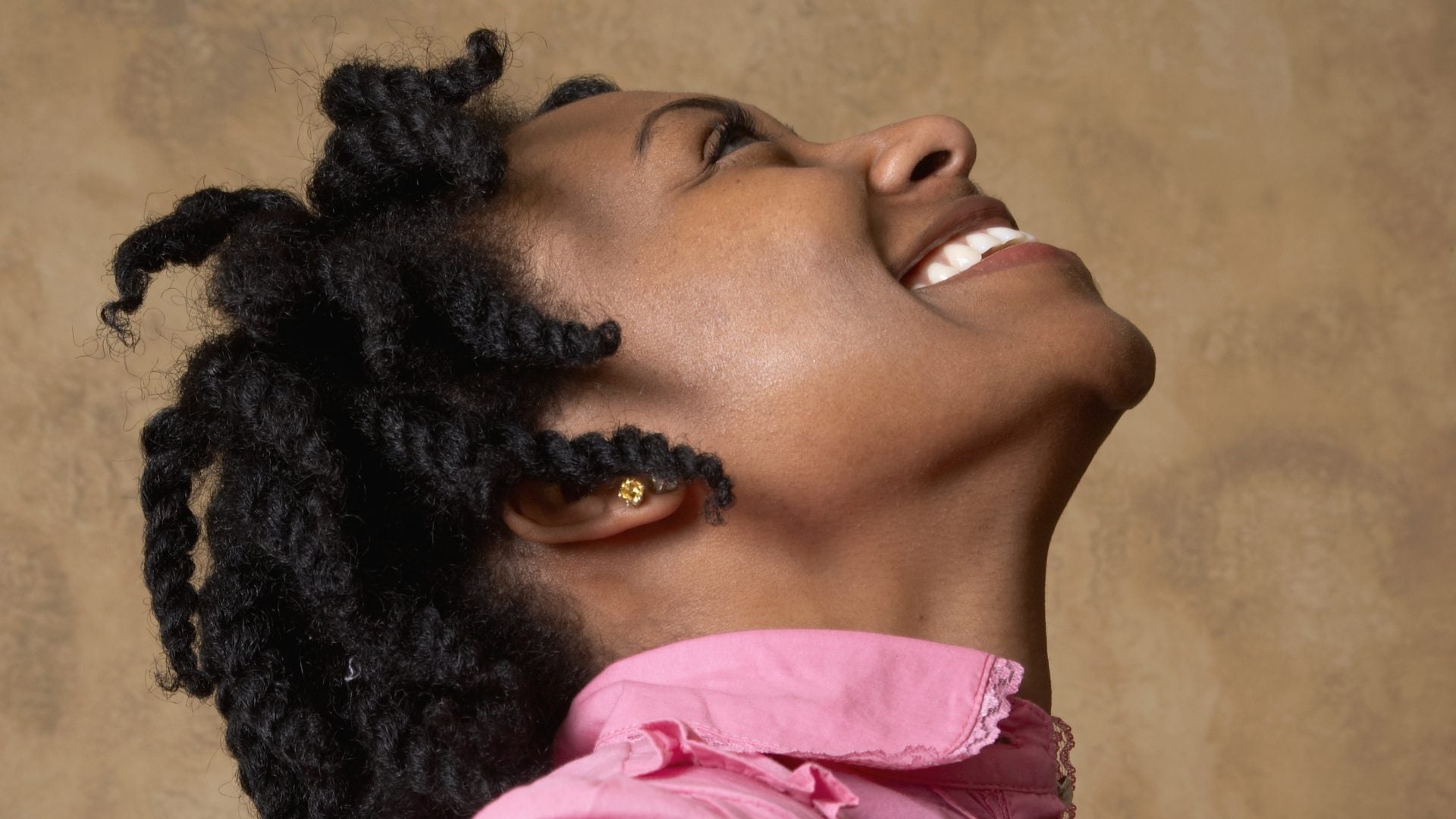
Ditch the Braids? Why Mini twists Are the Next Big Thing for Healthy Hair & Low-Maintenance Style
For years, the search for the perfect protective style has been ongoing. Now, many are finding the answer in a surprisingly simple yet effective technique: mini twists. This method, built on the foundation of tiny, individual twists, is gaining serious traction – and for good reason.It offers a speedy installation, a lightweight feel, and, crucially, minimizes tension on your scalp. Plus, it’s a fantastic way to lock in moisture, keeping your strands hydrated and reducing breakage.
But are mini twists right for you? Let’s dive deep into everything you need to know, from installation and longevity to the surprising nighttime routine that will truly maximize your results.
Why the Mini Twist buzz? A Shift Away From Conventional Braids
You’re likely familiar with the benefits of protective styling - giving your hair a break from daily manipulation and environmental stressors.But traditional braids can be time-consuming and expensive. Mini twists offer a compelling choice.
As Ladosha Wright, Revair’s resident expert, trichologist, and salon owner, explains: “Mini twists offer versatility without the long hours (or high costs) associated with braid styles.” They’re faster to install, more budget-friendly, and still provide a wealth of styling options. Essentially,you get the convenience of braids with a lighter lift.
Here’s a quick breakdown of the advantages:
* Speed & Cost: Substantially faster installation than braids, translating to lower salon costs.
* Lightweight Feel: Less tension on the scalp, making them pleasant for everyday wear.
* Moisture Retention: The twisting technique helps seal in hydration, combating dryness.
* Versatile Styling: From twist-outs to updos, the possibilities are endless.
Can Mini Twists Actually Help Your Hair Grow? Let’s Debunk the Myth
You’ve probably heard that protective styles promote hair growth. While that’s a common belief, it’s a bit of a misconception. “Mini twists can not grow your hair,” clarifies Wright. “Hair growth is regulated by hormones and other internal mechanisms that hairstyles can’t influence.”
Think of protective styles like a shield.They protect your hair, allowing it to retain length by minimizing breakage. To truly maximize growth, focus on these key areas:
* Scalp Care: A healthy scalp is the foundation for healthy hair. Regular cleansing and moisturizing are essential.
* Hydration: Use lightweight products that soften your hair,refresh your scalp,and maintain pliability.
* Gentle Handling: Minimize manipulation and avoid harsh chemicals.
How Long Should You Keep Your Mini Twists In?
Unlike some protective styles that can last for months, mini twists have a shorter lifespan – and that’s a good thing. “Mini twists on most textured hair are good for up to two weeks,” says Wright.
Why the shorter timeframe? “As a cosmetologist specializing in trichology, I highly recommend the two-week time frame for mini twists because matting and locking are always the unwanted results for those not seeking to lock their hair.” leaving them in longer increases the risk of tangling, matting, and ultimately, damage.
The Nighttime Routine: Forget the Bonnet! (Yes, You Read That Right)
Protecting your mini twists while you sleep is crucial for maintaining their neatness and preventing frizz. But you might be surprised by the expert recommendation.
Wright strongly advises against using a bonnet. “The loose movement inside the bonnet causes the cuticle protein layer to rub against itself, leading to frizz, unraveling, and roughening.” Plus, the elastic headband can cause breakage around your hairline.
So, what should you do?
* Satin Scarf or Du-Rag: These provide friction control, cuticle care, and style longevity.
* Tie Them Down: Securing your twists reduces friction and preserves their shape. A smooth satin surface minimizes snagging.
This simple switch can make a huge difference in the health and appearance of your twists.
Before You Book: A Word From the pros
Mini twists are a fantastic option for many, but it’s always best to consult with a qualified stylist before taking the plunge. they can assess your hair texture and recommend the