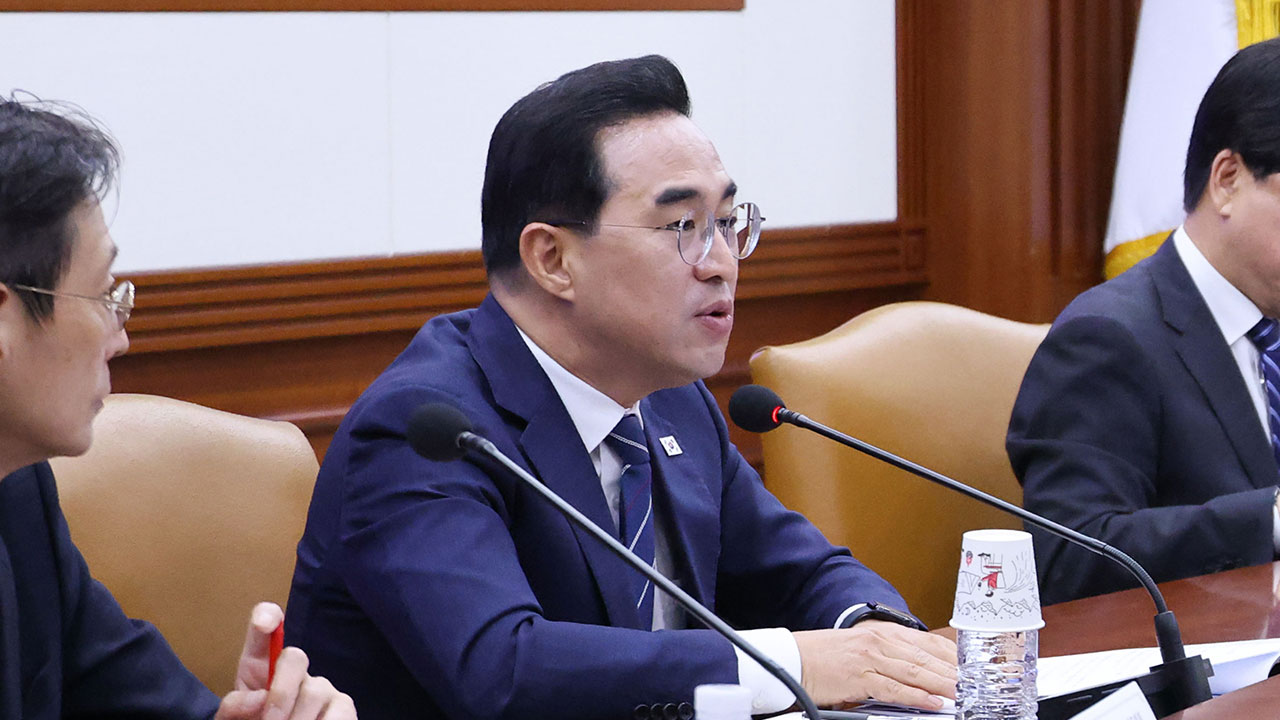
South Korean government officials are signaling a shift in the nation’s fiscal policy, specifically targeting the automatic allocation of 20.79% of domestic tax revenue to the Local Education Finance Grant. Park Hong-keun, serving as the Minister of Planning and Budget, recently highlighted the structural inflexibility of this system.
The current framework mandates that a fixed percentage of internal tax revenue be transferred directly to local offices of education. However, as the national economy evolves, questions have been raised regarding whether this rigid linkage remains sustainable.
The Structural Debate Over Educational Funding
The core of the issue lies in the lack of correlation between the fixed percentage of tax revenue and the actual number of students enrolled in the school system. This has prompted calls from government officials to restructure the funding mechanism.

For years, the Local Education Finance Grant has been a cornerstone of South Korea’s education policy. Proponents of the current system argue that education requires long-term planning and that any reduction in the fixed percentage could jeopardize the modernization of facilities and the quality of instruction provided in public schools.
Fiscal Stability and National Budgetary Pressures
Park’s recent remarks underscore the government’s broader concern regarding fiscal flexibility. When tax revenues drop due to economic downturns, the automatic nature of the education grant reduces the amount of capital available for other critical state functions. This creates a “fixed expenditure” challenge that limits the government’s ability to respond to emergencies or shifting national priorities.
Financial analysts have noted that the debate is not merely about the total amount of money spent on education, but about the “rigidity” of the budget. The findings suggest that as the proportion of mandatory spending increases, the government’s ability to execute discretionary fiscal policy decreases, potentially impacting the country’s overall economic resilience.
Stakeholder Perspectives and Future Policy Directions
The proposal to reform the allocation structure has met with resistance from local education authorities and teacher unions. These groups maintain that the funds are necessary to address long-standing issues. They express concern that moving away from the 20.79% linkage could lead to volatile funding cycles, making it difficult to maintain consistent educational standards across different provinces.

Conversely, those advocating for reform suggest that a shift toward a needs-based budgeting system—rather than a percentage-based one—would allow for more efficient use of taxpayer money. By evaluating the specific requirements of each district, the government could theoretically allocate resources where they are most needed, rather than distributing funds based on an automatic formula that does not account for regional disparities in student population density.
Next Steps in the Legislative Process
Any change to the current funding model would require an amendment to the funding laws, a process that necessitates approval from the National Assembly. As of now, no formal bill has been introduced to adjust the 20.79% ratio, but the public statements indicate that this topic will be a central theme in upcoming fiscal planning sessions.
The government is expected to continue consultations with educational stakeholders and lawmakers to explore potential compromises. Observers should monitor upcoming National Assembly committee meetings where budget-related legislation is debated, as these sessions will provide the first indications of whether a consensus can be reached on reforming the grant structure. Readers interested in the specifics of the current budget allocation can find official documentation regarding state transfers and local grant distributions on official portals.
Please share your thoughts in the comments section below regarding how you believe fiscal resources should be prioritized in the education sector.