Czech political discourse has intensified surrounding the public attribution of criminal acts to specific nationalities, with recent comments from government officials sparking significant debate regarding the integration of Ukrainian refugees. Jeroným Tejc, a prominent figure within the ANO movement, has faced criticism from legal experts and political opponents for linking criminal activity to the national origin of foreign residents. This development follows a broader trend of populist rhetoric in the Czech Republic, where the security situation of the Ukrainian diaspora has become a focal point of legislative and public scrutiny.
The controversy centers on whether linking crime statistics to ethnicity or nationality serves a legitimate security purpose or creates a dangerous societal divide. According to reporting from Seznam Zprávy, analysts have described these rhetorical shifts as a concerning development in domestic political communication, drawing parallels to international political trends that emphasize identity-based narratives. The debate highlights the tension between maintaining public safety and protecting the rights and social cohesion of foreign nationals currently residing in the Czech Republic under temporary protection status.
Legal and Ethical Concerns Over Nationality-Based Crime Reporting
Legal experts argue that the practice of identifying a perpetrator’s nationality in public statements risks oversimplifying complex criminal cases and fueling social tensions. Aleš Rozehnal, a prominent legal scholar, stated in an analysis published by HlídacíPes.org that criminal responsibility is inherently individual rather than collective. Rozehnal emphasized that associating a specific nationality or ethnic group with criminal acts undermines the legal principle of individual guilt and may violate the rights of the broader community.
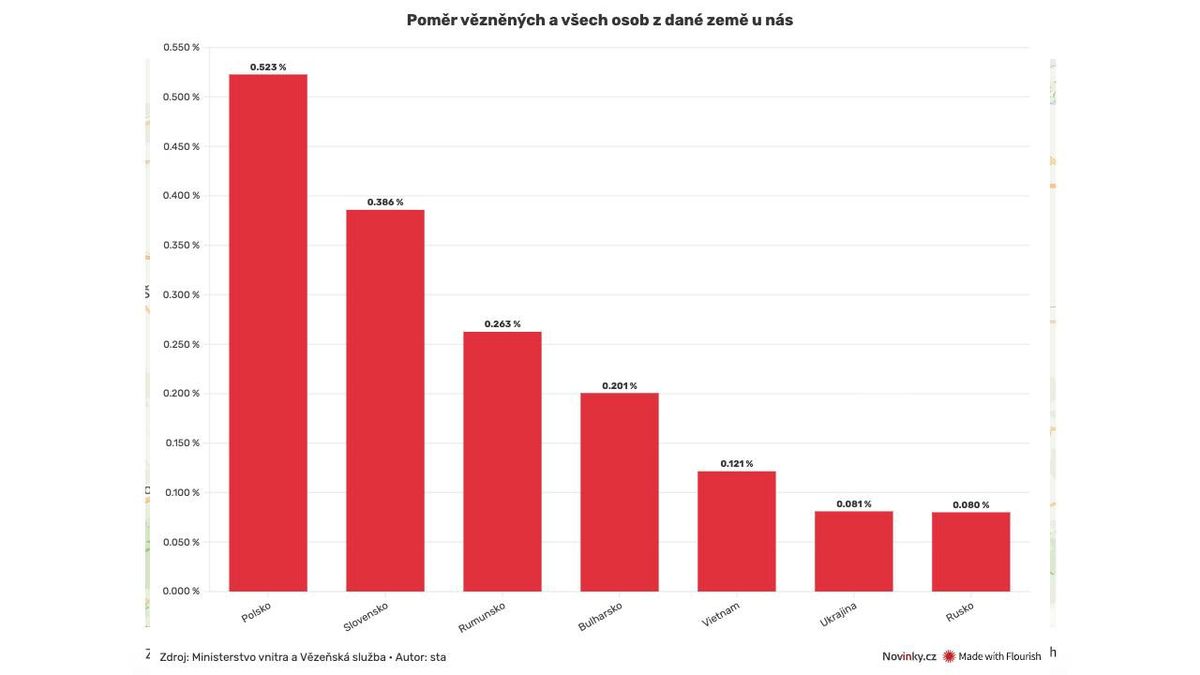
The Ministry of the Interior, which tracks crime statistics in the Czech Republic, periodically releases data regarding the involvement of foreign nationals in criminal activities. However, researchers from organizations such as Romea.cz point out that such data must be interpreted within the context of the total number of foreign residents. They warn that using isolated incidents to characterize an entire demographic risks deepening existing societal divisions and strengthening xenophobic sentiment. These critics argue that policy discussions should focus on individual accountability and integration measures rather than targeting specific nationalities.
Political Divergence and Legislative Debates
The rhetoric employed by members of the ANO movement has drawn sharp rebukes from government coalition partners. Eva Decroix, a representative of the Civic Democratic Party (ODS), has publicly challenged opposition figures, noting that criminal acts are committed by individuals of various nationalities, including Czechs, Slovaks, and others, as reported by Forum 24. Decroix argues that the focus on Ukrainian nationality serves as a political tool rather than a genuine security policy.

This political friction occurs against the backdrop of the ongoing war in Ukraine and the subsequent influx of refugees into the Czech Republic. The Ministry of the Interior of the Czech Republic continues to manage the registration and status of these individuals, providing periodic updates on the number of people under temporary protection. As of early 2024, the government has maintained that the vast majority of refugees are complying with local laws, while opposition figures like those in the ANO party continue to demand tighter controls and stricter rhetoric regarding foreign presence in the country.
Impact on Social Cohesion
The debate over how politicians discuss foreign criminality is not merely academic; it has tangible effects on the daily lives of foreign residents. Community advocates suggest that when high-ranking officials or prominent politicians highlight the nationality of a criminal suspect, it often leads to an increase in harassment and discrimination against members of that community. The Office of the Government Commissioner for Human Rights has previously urged public figures to exercise caution in their rhetoric to prevent the escalation of social conflict.
The current political environment reflects a broader struggle within the Czech Republic to balance the country’s humanitarian commitments with domestic security concerns. While the government remains committed to supporting those displaced by the Russian invasion of Ukraine, the opposition’s focus on the nationality of criminal suspects indicates that immigration and public safety will remain primary themes in upcoming political cycles. Observers expect that the discourse regarding crime and nationality will likely surface again during future sessions of the Chamber of Deputies, particularly as public opinion polls fluctuate ahead of upcoming election periods.
For official updates regarding crime statistics and migration policy, residents are encouraged to monitor the official portal of the Police of the Czech Republic and the Ministry of the Interior. These agencies provide the verified data necessary to distinguish between isolated criminal incidents and broader societal trends. Public discourse on these matters remains active, and further commentary from legal and political figures is expected as the situation evolves.
Worth a look