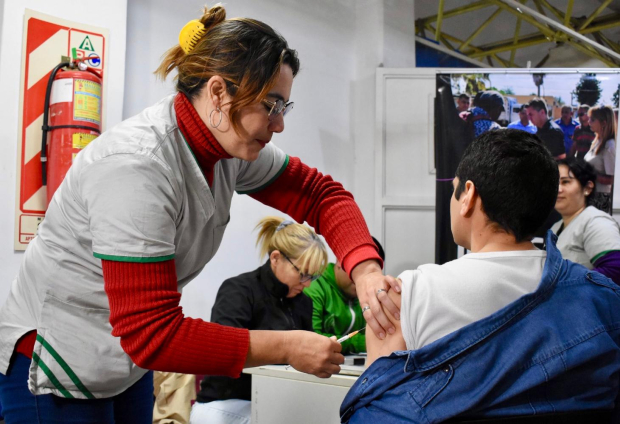
As the global community continues to navigate the complexities of post-pandemic public health, the importance of maintaining robust immunization schedules remains a critical priority for health ministries worldwide. In an effort to bolster community immunity, health authorities are currently intensifying local measles vaccination efforts, emphasizing the necessity of proactive disease prevention as international travel and large-scale public gatherings increase.
Measles, a highly contagious viral disease, requires high vaccination coverage to prevent outbreaks, particularly in settings where population movement is frequent. The recent focus on strengthening vaccination infrastructure reflects a broader public health strategy to mitigate the risk of preventable infectious diseases, ensuring that both children and adults remain protected against potential transmission cycles in their communities.
Understanding the Need for Increased Vaccination
The decision to intensify measles vaccination campaigns is often driven by data indicating gaps in routine immunization coverage. According to the World Health Organization (WHO), measles remains a significant cause of death among young children globally, despite the availability of a safe and cost-effective vaccine. Sustaining high coverage—typically requiring two doses of the measles-containing vaccine—is essential to achieving herd immunity and preventing the re-emergence of the virus.
Public health experts note that the viral nature of measles allows it to spread rapidly in under-vaccinated populations. By deploying vaccination stations across various localities, health ministries aim to eliminate barriers to access, such as distance or lack of information, thereby increasing the likelihood that individuals who may have missed routine check-ups during recent years can catch up on their immunization status.
Public Health Strategy and Community Impact
The current push to vaccinate is part of a coordinated effort to manage health risks in an increasingly interconnected world. For many regions, the strategy involves a multi-pronged approach: improving the visibility of vaccination centers, streamlining the administrative process for receiving doses and conducting public awareness campaigns to remind families of the recommended immunization schedules.
Health departments typically rely on data from clinical surveillance to identify areas with lower-than-optimal coverage. By targeting these specific geographic zones, authorities can allocate resources more efficiently. This localized approach is a cornerstone of modern epidemiology, allowing for interventions that are both timely and relevant to the specific needs of the population. For those seeking information regarding their local health status, the Centers for Disease Control and Prevention (CDC) provides resources on vaccination protocols and the importance of maintaining up-to-date records.
Vaccination as a Pillar of Preventive Medicine
From a clinical perspective, the measles vaccine is widely regarded as one of the most successful public health tools of the last century. It is effective at preventing clinical disease and, when administered in sufficient doses, significantly reduces the frequency of complications such as pneumonia, encephalitis, and blindness. As we look toward future public health challenges, the stability of immunization programs serves as a barometer for the overall resilience of a healthcare system.
For individuals and families, the most effective way to participate in these initiatives is to consult with local healthcare providers or regional health portals. Ensuring that children receive their first and second doses according to national guidelines is not only a personal health decision but a collective contribution to maintaining community safety. As health ministries monitor disease trends, they will continue to adjust their outreach strategies to meet shifting requirements.
Next Steps for Community Health
Health authorities are expected to release ongoing updates regarding the status of vaccination campaigns and the availability of clinics in the coming weeks. Residents are encouraged to monitor official government health bulletins for information on scheduling appointments or attending local immunization events. Staying informed through verified, official channels is the best way to ensure that you and your family remain protected against vaccine-preventable diseases.

We invite our readers to share their experiences with local health initiatives or to ask questions in the comments section below. Your engagement helps foster a better-informed community, and we look forward to continuing our coverage of these essential public health developments as new information becomes available.
Related reading
- Heavy TV Watching Linked to Brain Shrinkage in Midlife Study
- Ale Jaramillo’s “La Sangre Llama” Post: Meaning and Viral Context Explained
- Medical Care Deployments Expand Health Access in Aragua, Venezuela (archynewsy.com)
- Interior Ministry Orders Nationwide Inspection of Public Venues (world-today-news.com)