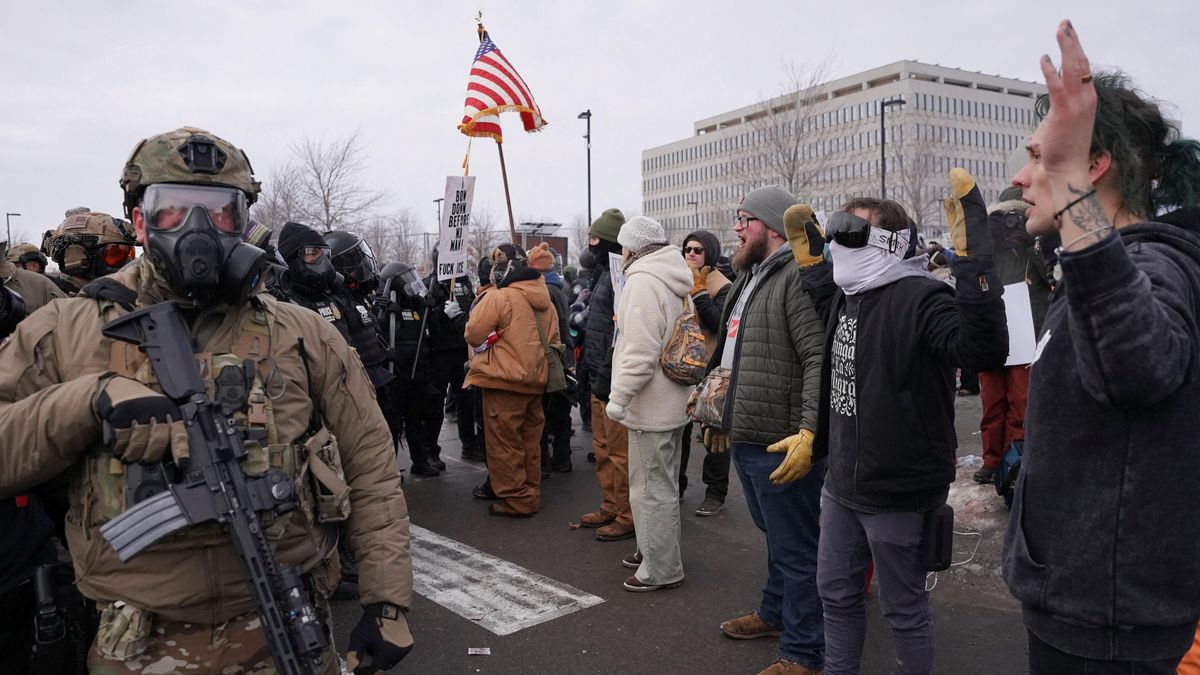
Demonstrations have been ongoing in the Twin Cities area since January 7th, following the fatal shooting of 37-year-old Renee Gooden by an Immigration and customs Enforcement (ICE) agent.
Local residents and activists have established networks to monitor the movements of federal agents in the streets. This constant surveillance and attempts to document ICE actions have led to frequent direct confrontations.
Background on the shooting of Renee Gooden
On January 7th, Renee Gooden, a 37-year-old mother of three, was shot and killed by an ICE agent during a reported encounter in Minneapolis, Minnesota. The Star Tribune reported that the shooting occurred while agents were attempting to arrest Gooden on outstanding warrants.
Controversy and Investigations
The shooting has sparked outrage and protests,wiht activists questioning the use of force by ICE agents. NBC News details the ongoing investigations into the incident, including scrutiny of the agent’s actions and the circumstances leading to the shooting.
Community Response and Activist Networks
In response to the shooting, community members have organized to monitor ICE activity. These networks aim to document interactions between agents and residents, providing a layer of transparency and accountability. Fox 9 reports on the daily demonstrations and the efforts to track ICE movements.
Direct Confrontations
The increased surveillance has resulted in numerous direct confrontations between protesters and ICE agents. Activists are actively filming and documenting these encounters, sharing footage on social media to raise awareness and pressure for policy changes.
ICE’s Response and policies
ICE has not released a comprehensive statement addressing the specific concerns raised by protesters. However, agency officials have generally defended their operations, citing the need to enforce immigration laws and apprehend individuals with outstanding warrants. the official ICE website provides data on their mission and enforcement priorities.
Use of Force Policies
The shooting has also renewed calls for greater scrutiny of ICE’s use of force policies. Critics argue that the agency lacks sufficient oversight and accountability, leading to excessive force in some situations.
Looking ahead
The situation in the Twin Cities remains tense as investigations continue and protests persist. The case of Renee Gooden has become a focal point for broader discussions about immigration enforcement, police accountability, and the role of ICE in local communities. The outcome of the investigations and any subsequent policy changes will likely have important implications for the future of immigration enforcement in the region and beyond.
Related reading