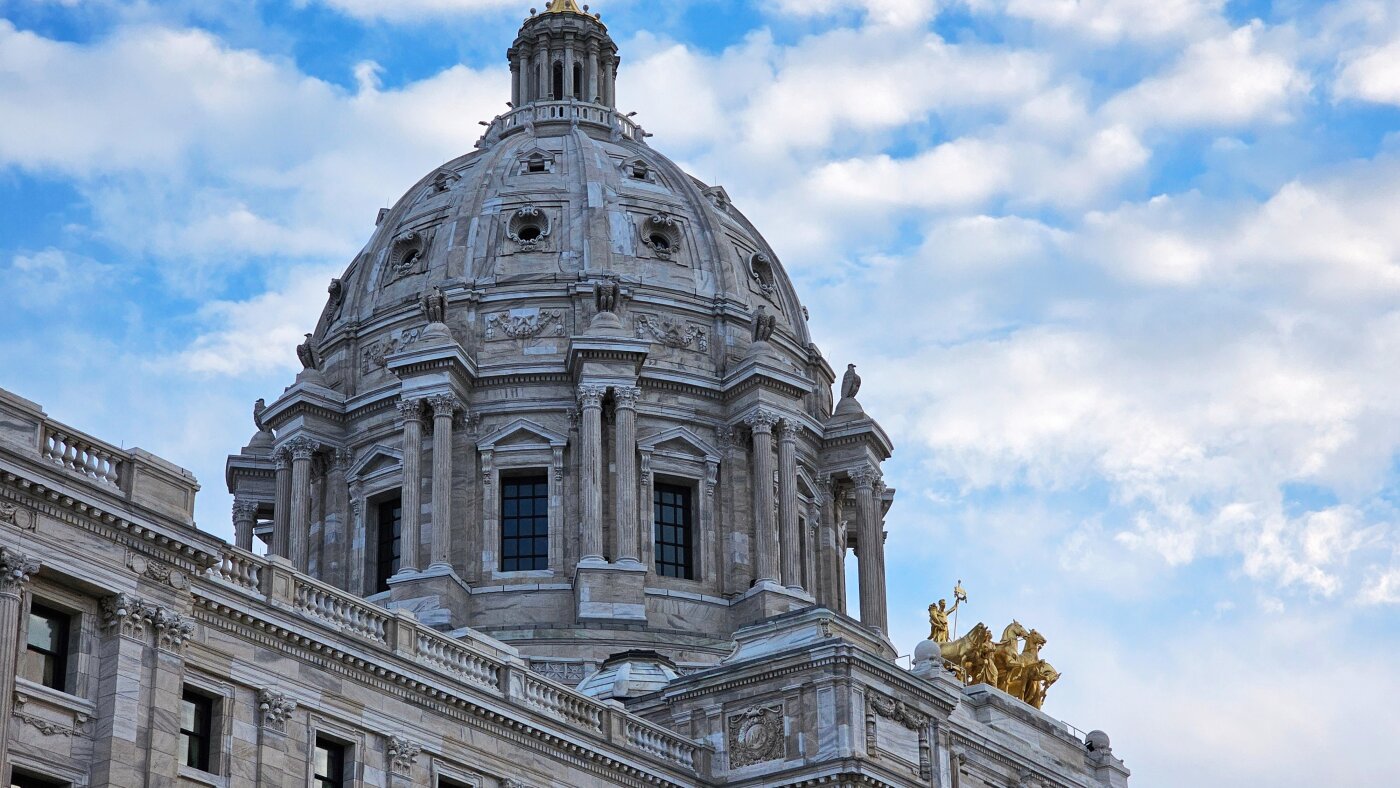
Minnesota Becomes First U.S. State to Ban Prediction Markets: Legal Battle Looms
Minnesota has made history as the first U.S. State to ban prediction markets, passing legislation that criminalizes platforms like Kalshi and Polymarket as felonies. The law, which now awaits Governor Tim Walz’s signature, marks a dramatic escalation in state-level efforts to regulate—or outright prohibit—these controversial financial instruments. Legal experts warn the move will likely trigger immediate lawsuits from the industry, setting the stage for a high-stakes constitutional showdown over free speech, gambling laws, and interstate commerce.
Prediction markets, which allow users to trade shares representing outcomes of real-world events—from election results to sports matchups—have grown rapidly in recent years. Proponents argue they provide valuable speculative insights, while critics warn they enable gambling-like behavior and exploit regulatory loopholes. Minnesota’s ban, if signed into law, would not only prohibit these platforms from operating within the state but also impose severe penalties on companies that attempt to do so.
The legislation comes amid a broader crackdown on prediction markets across the U.S. While other states have attempted to regulate or restrict these platforms, Minnesota is the first to explicitly classify their operation as a felony. Legal battles are already underway in states like Utah, where similar measures have faced challenges in federal court. The Commodity Futures Trading Commission (CFTC) has also sued multiple states for overreaching in their regulatory efforts, arguing that prediction markets fall under federal oversight.
What the Minnesota Ban Means for Prediction Markets
The newly passed bill in Minnesota defines prediction markets as “unlawful gambling” under state law, imposing felony charges on companies that facilitate such transactions. This classification elevates the penalties significantly compared to misdemeanor offenses in other states. Legal scholars, including Todd Phillips of Georgia State University, have described the move as a “test case” for how far states can go in restricting these platforms without triggering federal intervention.
Phillips, an expert in financial regulation, told Minnesota Public Radio that lawsuits are “inevitable.” He cited the CFTC’s ongoing legal battles with states like Utah and New York, where federal regulators argue that state-level bans infringe on interstate commerce and federal authority over financial markets. “Prediction markets have sued states, and states have sued the CFTC,” Phillips noted. “It’s a legal mess all over the country.”
“Prediction markets have unleashed a new era of betting on sports and current events. Minnesota lawmakers yesterday passed a bill banning these platforms from the state. And if what’s happened in other states is any guide, it will attract some lawsuits.”
Who Stands to Lose—and Who Could Benefit?
The ban directly targets platforms like Kalshi and Polymarket, which have amassed millions of users by allowing bets on everything from presidential elections to geopolitical events. These companies have already filed lawsuits in other states, arguing that their operations comply with federal securities laws and that state bans violate the Commerce Clause of the U.S. Constitution.

For Minnesota residents, the ban could reduce access to these platforms, though users may still participate via virtual private networks (VPNs) or other workarounds. The state’s gambling laws already prohibit traditional sports betting, and the new legislation aligns with broader efforts to curb speculative financial activities. Supporters of the ban argue it protects consumers from addictive gambling behaviors and ensures compliance with state gaming regulations.
Meanwhile, the ban could embolden other states to follow suit. Utah’s pending legislation, which aims to close loopholes used by prediction markets, has already drawn legal fire from Kalshi. If Minnesota’s ban holds up in court, it could set a precedent for stricter state-level enforcement nationwide.
Legal Experts Predict Supreme Court Showdown
Phillips and other legal analysts suggest that Minnesota’s move could ultimately reach the U.S. Supreme Court, particularly if lower courts issue conflicting rulings. The core legal question revolves around whether prediction markets qualify as “gambling” under state law or as legitimate financial instruments under federal oversight. The CFTC has historically taken the stance that these platforms fall under its jurisdiction, but state attorneys general have pushed back, arguing that they enable illegal wagering.
“This is not just about gambling,” said Phillips. “It’s about who gets to regulate financial speculation in the 21st century. The stakes are high, and the courts will have to draw bright lines.”
What Happens Next?
Governor Tim Walz, a Democrat, has not yet indicated whether he will sign the bill into law. If he does, the legislation will take effect immediately, though legal challenges could delay or overturn its enforcement. The CFTC and prediction market companies are likely to file injunctions seeking to block the ban while the case proceeds.
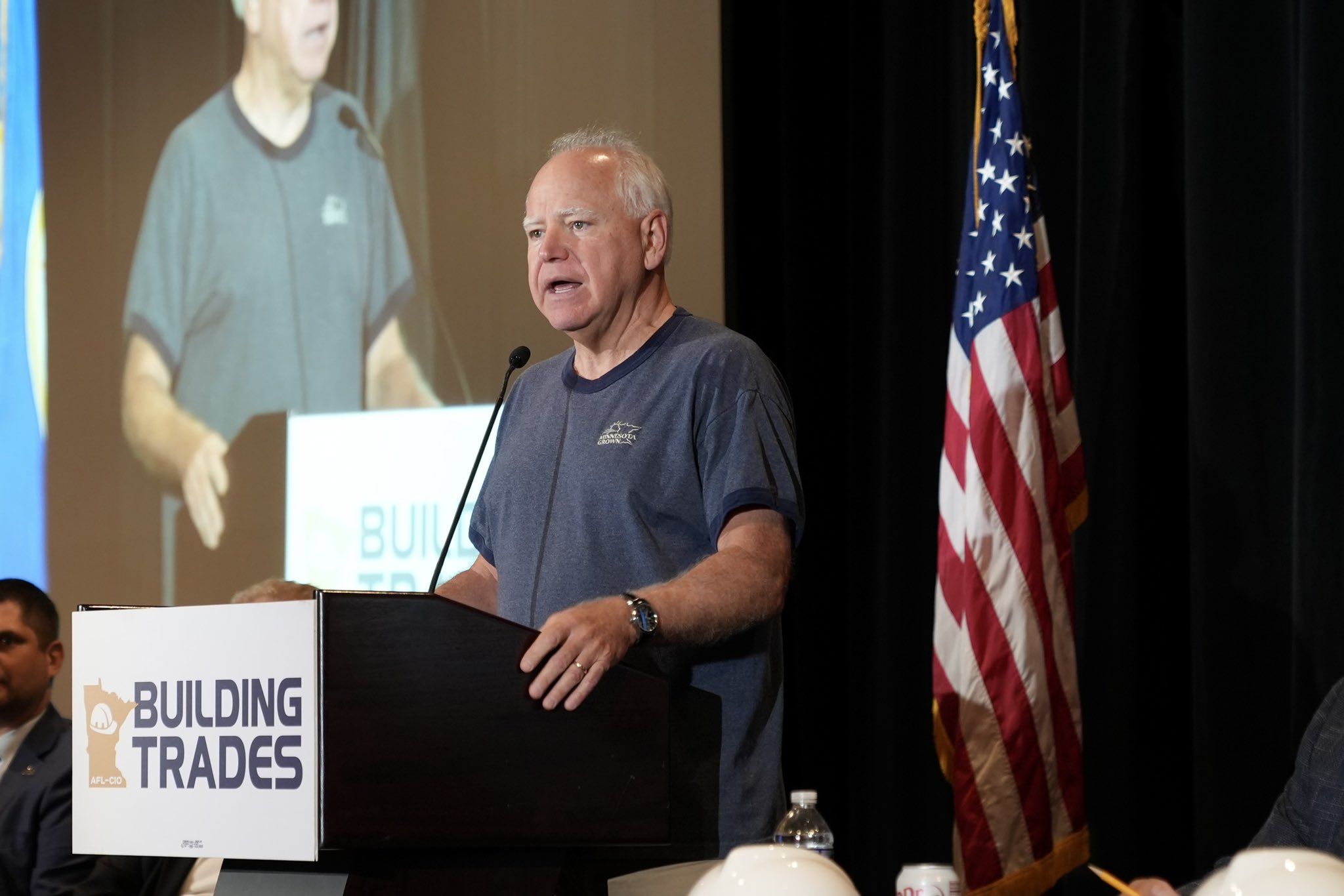
In the meantime, Minnesota’s Attorney General, Keith Ellison, has signaled readiness to defend the law in court. Ellison’s office has not yet commented on specific legal strategies but has emphasized the state’s authority to regulate gambling within its borders.
Key Takeaways
- First in the Nation: Minnesota is the first U.S. State to ban prediction markets as felonies, setting a potential precedent for other states.
- Legal Battles Expected: Industry lawsuits and CFTC intervention are nearly certain, with experts predicting a Supreme Court showdown.
- Consumer Impact: Minnesotans may lose access to platforms like Kalshi and Polymarket unless they use VPNs or other workarounds.
- Broader Implications: The case could redefine how states regulate financial speculation and gambling in the digital age.
- Governor’s Decision Pending: Governor Tim Walz must sign the bill for it to take effect, though legal challenges could follow immediately.
- Federal vs. State Authority: The dispute hinges on whether prediction markets fall under federal financial regulations or state gambling laws.
How to Stay Updated
For the latest developments on Minnesota’s prediction market ban, monitor official updates from:

- Minnesota Attorney General’s Office
- Minnesota Legislative Database (for bill tracking)
- Commodity Futures Trading Commission (for federal responses)
- Minnesota Public Radio (for ongoing coverage)
This story is developing rapidly. If you have insights or experiences with prediction markets, share your thoughts in the comments below. For media inquiries or further analysis, contact the author at [email protected].
- Verkouden worden in het vliegtuig? Op déze stoel verlaag je het risico aanzienlijk, volgens een viroloog – Gezondnu
- Peste porcine en Finlande : la chasse suspendue après l’arrivée de la maladie
- Michigan and Minnesota Report Cyberattacks on Water Systems (news-usa.today)
- Minnesota Twins vs Seattle Mariners Highlights Best Plays and Moments (newsdirectory3.com)