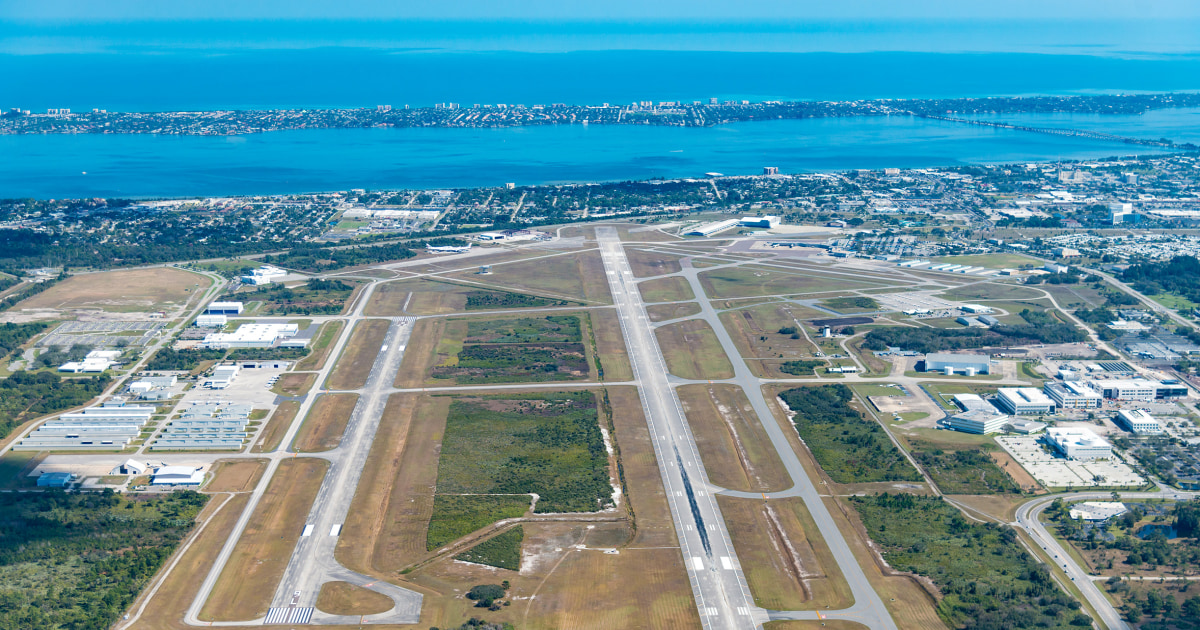
London, UK — May 13, 2026 A stunning act of survival and rescue unfolded off Florida’s east coast today as all 11 passengers from a plane that crashed into the Atlantic Ocean were safely recovered after spending five harrowing hours in a life raft. The dramatic operation, involving Air Force reservists who responded to an emergency locator beacon, has been described by officials as nothing short of “miraculous.”
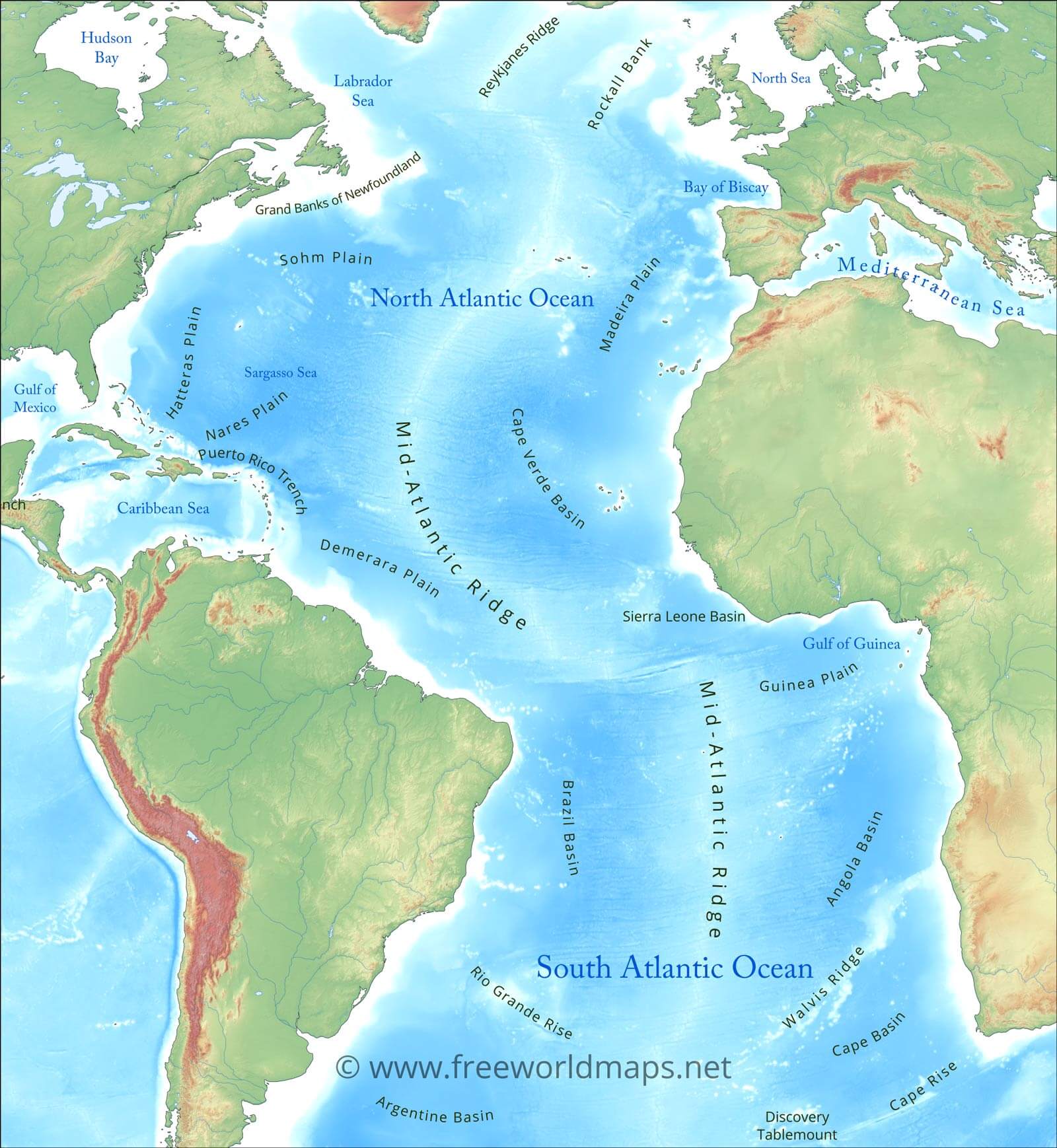
The aircraft went down approximately 80 miles east of Melbourne, Florida, on Tuesday evening, leaving survivors with no means of communication as they waited in the open ocean. Their only hope was the emergency beacon that eventually led rescuers to their location. Air Force Maj. Elizabeth Piowaty, who coordinated the rescue operation, told reporters that the survivors were in a state of physical and emotional distress when found, having endured the elements under a makeshift tarp.
What began as a routine training mission for the Air Force reservists quickly transformed into a high-stakes rescue operation. The team, already in the area for unrelated exercises, received word of a possible downed aircraft and immediately sprang into action. Their swift response not only saved lives but also highlighted the critical role of emergency beacons and coordinated search-and-rescue efforts in maritime emergencies.
Video: Air Force reservists describe the moment they spotted the survivors in the life raft. (Credit: U.S. Air Force)
Survivors Found After Five Hours Adrift
According to the U.S. Coast Guard, the survivors had no way to signal for help after their aircraft crashed into the Atlantic Ocean. Their emergency locator transmitter (ELT) beacon, however, activated automatically upon impact, sending out a distress signal that was picked up by search-and-rescue teams. The beacon’s activation was crucial in guiding the Air Force reservists to the exact location of the life raft.
Capt. Rory Whipple, who led the rescue team, described the scene upon arrival: “They had already been in the water, in the raft, for about five hours and you could tell just by looking at them that they were in distress—physically, mentally, emotionally.” The survivors had rationed their limited food and water supplies, using basic survival tools to stay afloat and shielded from the elements.
Rescuers dropped supplies to the raft before lifting the survivors to safety, ensuring they had sustenance until help arrived. The operation was conducted under challenging conditions, with officials emphasizing the skill and dedication of the Air Force reservists who executed the rescue with precision.
How Emergency Beacons Save Lives
The successful rescue underscores the life-saving role of emergency locator transmitters (ELTs) in aviation emergencies. ELTs are required on all commercial aircraft and are designed to activate automatically in the event of a crash, transmitting a distress signal that can be detected by search-and-rescue teams. In this case, the ELT’s signal was the only link between the survivors and help, highlighting its critical importance in maritime rescues.
While ELTs are a standard safety feature, their effectiveness depends on proper maintenance and the timely response of rescue teams. The Air Force reservists’ ability to locate the survivors within hours of the crash demonstrates the value of coordinated search-and-rescue operations, particularly in remote or high-risk areas like the Atlantic Ocean.
Next Steps for Survivors and Investigators
As of this writing, all 11 survivors are reported to be in stable condition, though the full extent of their injuries and the circumstances surrounding the crash remain under investigation. The National Transportation Safety Board (NTSB) will likely lead the inquiry into the cause of the accident, reviewing flight data, maintenance records, and other relevant evidence.
Survivors are expected to undergo medical evaluations to assess any physical or psychological effects from their ordeal. Meanwhile, the Air Force reservists involved in the rescue have been commended for their quick thinking, and bravery. Their actions serve as a reminder of the dedication of first responders and the importance of preparedness in emergency situations.
Key Takeaways
- All 11 passengers survived the plane crash off Florida’s east coast, thanks to a swift rescue operation.
- The survivors spent five hours in a life raft before being rescued by Air Force reservists.
- A critical emergency locator beacon led rescuers to the survivors’ location.
- The crash occurred approximately 80 miles east of Melbourne, Florida, in the Atlantic Ocean.
- The NTSB will investigate the cause of the crash, with survivors undergoing medical evaluations.
What Happens Next?
The next confirmed checkpoint in this developing story is the release of the NTSB’s preliminary findings, which could take weeks or months. In the meantime, survivors will continue to receive medical and psychological support, while the Air Force reservists involved in the rescue will likely be recognized for their heroism.
For those affected by the crash or seeking updates, the following resources may be helpful:
- National Transportation Safety Board (NTSB) – Official investigation updates.
- U.S. Coast Guard – Search-and-rescue operations and safety advisories.
- Federal Aviation Administration (FAA) – Aviation safety guidelines and regulations.
This story is a testament to human resilience and the power of preparedness. As we reflect on the harrowing experience of the survivors, it also serves as a reminder of the critical role that emergency systems and trained responders play in saving lives. We encourage readers to share their thoughts or experiences related to aviation safety in the comments below.
Worth a look