Unearthing Earth’s Hidden History: The discovery of 11-Million-Year-Old Australian Tektites
Have you ever wondered what secrets lie hidden within the Earth’s crust, waiting to reveal dramatic events from our planet’s past? A groundbreaking discovery in Australia is rewriting our understanding of ancient impact events, thanks to the identification of a unique field of tektites – natural glass formed by the immense heat of a meteorite impact.These aren’t just pretty geological specimens; they’re tiny time capsules offering a glimpse into a previously unknown cosmic collision that occurred approximately 11 million years ago. This article delves into the meaning of this finding, exploring what tektites are, why this discovery is so important, and what it means for our understanding of Earth’s history and potential future impacts.
What are Tektites and How are They Formed?
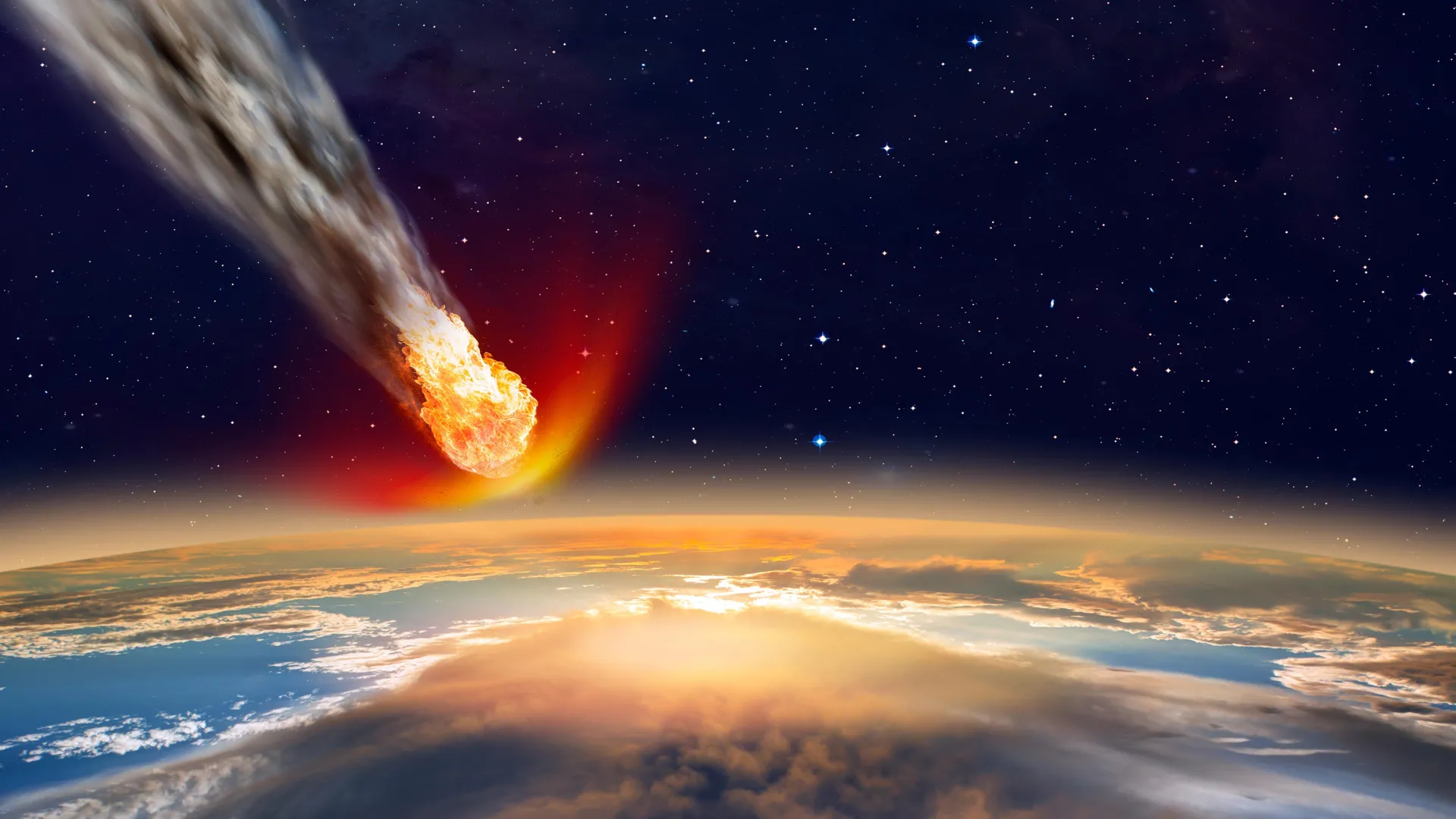
Tektites are glassy objects formed from terrestrial debris ejected during meteorite impacts. When a large asteroid or comet slams into Earth, the force of the impact generates extreme heat, melting rock at the impact site. This molten material, known as impact melt, is then thrown into the atmosphere, traveling vast distances before cooling and solidifying into these distinctive glassy formations.
Think of it like a cosmic splash – the impact is the stone, the molten rock is the water, and the tektites are the droplets flung outwards. They are typically found scattered across a wide area, forming what’s known as a tektite strewn field.Different types of tektites exist, categorized by their composition and location, including australasian tektites, Indochinites, and now, these newly discovered Australian tektites. Understanding impact glass formation is crucial to interpreting the story these fragments tell.
A New Chapter in Earth’s Turbulent Past
The recent discovery, published in Earth and Planetary Science letters (“A new tektite strewn field in Australia ejected from a volcanic arc impact crater 11 Myr ago”), centers around these rare natural glasses found exclusively across parts of South Australia.Led by Anna Musolino, a PhD student at Aix-Marseille University, and co-authored by Professor Fred Jourdan from Curtin University, the research reveals a completely separate impact event from the well-known Australasian tektite field, which formed around 780,000 years ago.
“These glasses are unique to Australia and have recorded an ancient impact event we did not even know about,” explains professor Jourdan.”They formed when an asteroid slammed into Earth, melting surface rock and scattering debris for thousands of kilometers. These tiny pieces of glass are like little time capsules from deep in our planet’s history.”
What sets these Australian tektites apart is their unusual chemistry and age – approximately 11 million years old. This suggests a previously unrecognized giant impact, one that, remarkably, hasn’t yet revealed its crater. The search for this elusive impact crater location is now a priority for researchers.
The Mystery of the Missing Crater
Despite the immense force required to create these tektites, the impact crater itself remains undiscovered. This presents a significant challenge for scientists.Several factors could explain this:
* Erosion: Over 11 million years, geological processes like erosion and plate tectonics could have substantially altered or completely erased the crater.
* Burial: The crater might be buried beneath layers of sediment or volcanic rock.
* Submarine Impact: The impact could have occurred in a marine environment, with the crater now submerged underwater.
* Volcanic Arc Connection: The research suggests a potential link to a volcanic arc,hinting the impact may have occurred near a subduction zone,further complicating crater identification.
Advanced geophysical techniques, including seismic surveys and gravity mapping, are being employed to pinpoint the potential location of the crater.This is a complex undertaking, requiring significant resources and expertise in geological surveying techniques.
Why This Discovery Matters: Planetary Defense and Beyond
Understanding the frequency and magnitude of past asteroid impacts is crucial for several reasons. Firstly, it provides valuable insights into Earth’s geological history and the evolution of life. Secondly, and perhaps more importantly, it helps us assess the risk of future impacts.
According to NASA, near-Earth objects (NEOs) pose a potential threat to our planet. While catastrophic impacts are rare, they are not unfeasible. A 2023 report by the European Space Agency (ESA) estimates there are over 30,000 near-Earth asteroids larger than 40 meters in diameter, and the risk of impact is constantly being monitored. Studying past impacts, like the one recorded by these Australian