
Senator John Thune expressed optimism this week that Mitch McConnell will return to his Senate duties following a recent hospitalization. The 84-year-old former Senate Majority Leader was admitted to a hospital following a medical emergency, though a spokesperson confirmed he is currently receiving “excellent care.”
The hospitalization of the veteran Republican lawmaker has drawn significant attention from both sides of the aisle as leadership within the Senate Republican conference monitors his recovery. While specific details regarding the nature of the medical emergency have not been fully disclosed by official medical staff, Senate aides and colleagues have confirmed his admission to a medical facility.
What is the current health status of Mitch McConnell?
According to a spokesperson for the Senator, McConnell is currently “receiving excellent care” at a hospital facility. This update follows reports that the 84-year-old was rushed to the hospital during a medical scare, as documented by The Wall Street Journal. While the specific diagnosis remains private due to medical privacy standards, the messaging from his immediate circle emphasizes stability in his treatment.
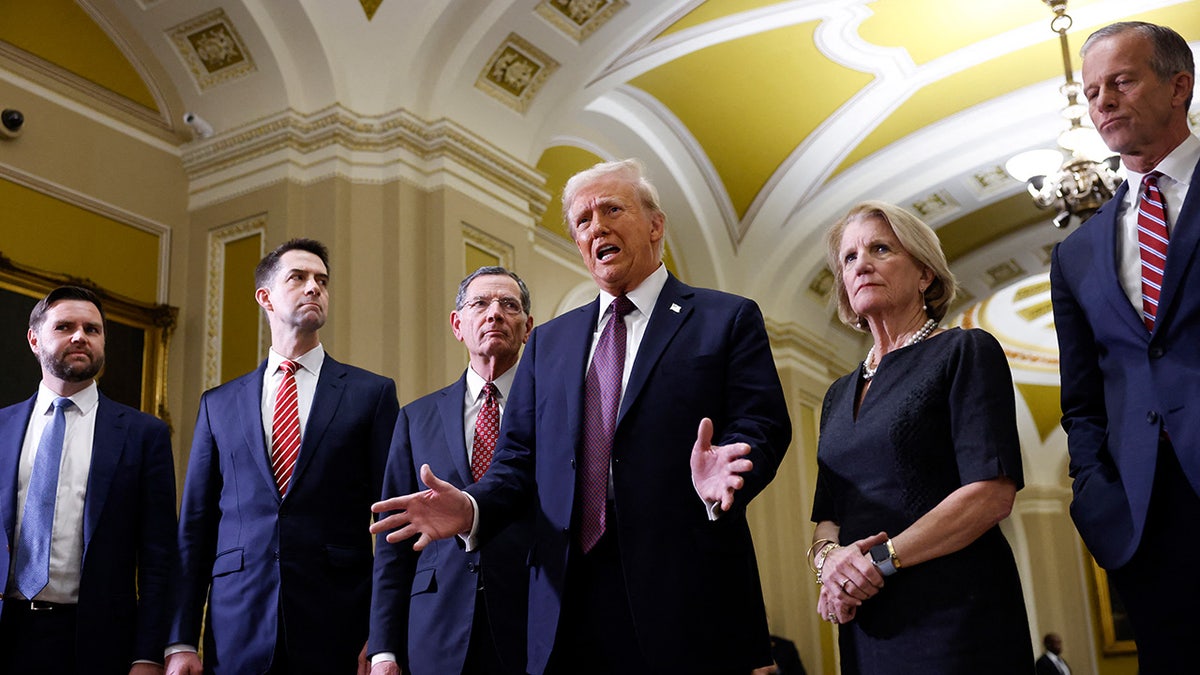
The news of his hospitalization follows a period of intense legislative activity in Washington. McConnell, a central figure in Republican Senate strategy for decades, has maintained a high-profile presence in national politics, making his health a matter of significant interest to political analysts and the global community.
What did Senator John Thune say regarding McConnell’s return?
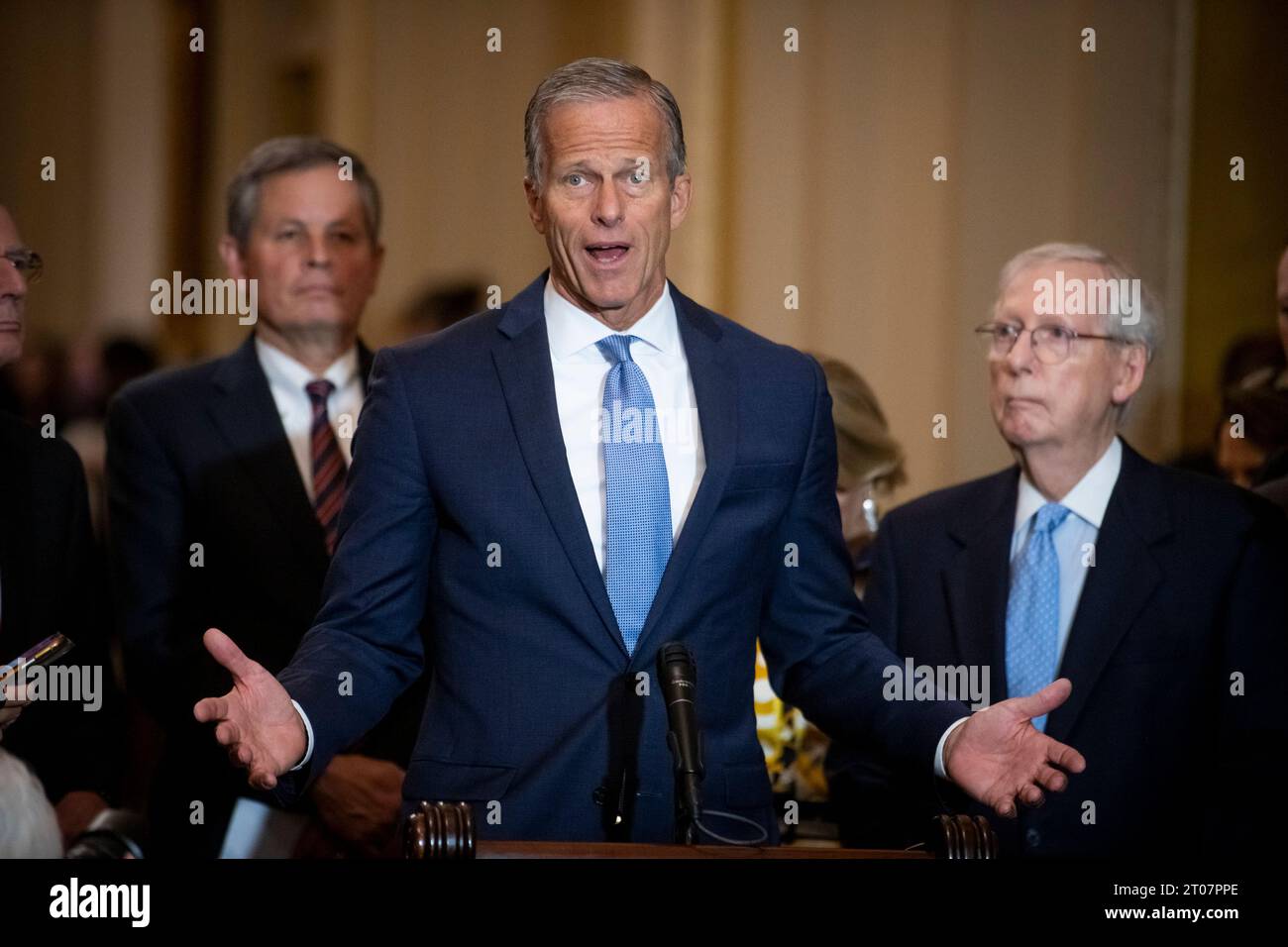
Senator John Thune, a key figure in the Republican leadership, stated he is “hopeful” that McConnell will be able to return to his responsibilities within the week. Thune’s comments, reported by Politico, suggest that Republican leadership is preparing for McConnell’s eventual return while remaining cognizant of the medical situation.
Thune’s outlook reflects a cautious optimism shared by several members of the Senate Republican conference. However, no definitive timeline for McConnell’s return to the Senate floor has been established. The Senate’s legislative calendar remains active, and leadership is managing ongoing business in the interim.
The following table compares how major news outlets have characterized the recent developments regarding McConnell’s health:
| Reporting Outlet | Characterization of Event | Primary Detail Provided |
|---|---|---|
| The Wall Street Journal | “Medical scare” | Rushed to hospital at age 84 |
| NPR | Hospitalization | Receiving “excellent care” |
| CNN | Medical admission | Confirmed by a Senate aide |
Why does McConnell’s health impact Republican Senate leadership?
The health of a senior leader like Mitch McConnell carries implications for the stability and strategic direction of the Republican party in the Senate. McConnell has been a primary architect of Republican legislative strategy, and his absence creates a temporary vacuum in long-term political planning and caucus coordination.
This situation mirrors previous instances where the health of high-ranking officials has necessitated shifts in temporary leadership roles. In the Senate, the ability to maintain a unified front on key votes—ranging from judicial confirmations to budgetary negotiations—depends heavily on the strength of the established leadership structure.
The potential for a prolonged absence has prompted discussions regarding the continuity of Republican Senate operations. While Senator Thune and other senior members are prepared to manage the daily functions of the caucus, the strategic influence McConnell exerts over the party’s national agenda is difficult to replicate immediately.
Historical Context of Senate Leadership Transitions
Historically, the Senate has navigated various leadership transitions necessitated by health concerns or voluntary departures. These transitions often involve a period of internal negotiation to ensure that the party’s legislative priorities remain intact. The current focus on McConnell’s recovery is not merely a matter of personal health but a factor in the operational readiness of the Republican conference.
- Strategic Continuity: Maintaining the momentum of ongoing legislative pushes.
- Caucus Unity: Ensuring rank-and-file members remain aligned during leadership absences.
- Legislative Scheduling: Managing the timing of critical votes and committee hearings.
How will the Senate proceed during this period?
The Senate is expected to continue its scheduled business, including committee hearings and floor votes, regardless of the hospitalization. Senate leadership protocols allow for the seamless delegation of duties to ensure that the legislative process is not interrupted. Republican senators are expected to coordinate closely with the remaining leadership to manage the caucus’s responsibilities.
Observers are looking for official updates from the Senator’s office or the Senate Republican conference regarding any formal changes to committee assignments or leadership roles. At this stage, all actions are being treated as temporary measures pending McConnell’s recovery.
The next official update regarding Mitch McConnell’s medical status or his expected return to the Senate is anticipated through formal statements from his office or a briefing from Senate leadership. We will provide updates as verified information becomes available.
What are your thoughts on the impact of leadership health on legislative stability? Share your comments below and share this article to keep your network informed.
Keep reading