Major League Baseball faces a critical structural impasse as ongoing negotiations for a new collective bargaining agreement stall over team owners’ persistent demands for a payroll salary cap, a proposal that players strongly reject over fears of a potential lockout ahead of the 2027 season. While league officials insist that capping spending is the only way to establish competitive balance between affluent clubs and small-market franchises, financial experts and union representatives argue that true league parity can be achieved more effectively through enhanced revenue sharing and modernized broadcast models rather than a restrictive cap.
The core dispute centers on massive revenue disparities across franchises, driven largely by local television and media rights. Large-market organizations such as the Los Angeles Dodgers can generate up to $334 million annually from local broadcast revenues alone, according to reporting by BVM Sports. In sharp contrast, smaller-market teams like the Miami Marlins bring in under $50 million per year from local broadcasts, creating an immense financial gap that owners claim makes a spending limit necessary to level the playing field.
Despite the owners’ hardline stance, player advocates and economists point out that Major League Baseball already operates a substantial revenue-sharing system that redistributes wealth, though current frameworks fail to bridge the widening local media gap. Under existing structures, teams contribute 48% of their local revenues into a central pool that is distributed equally among all clubs, as outlined by BVM Sports. However, because top-tier clubs pull in vastly superior local broadcast payouts, the equal distribution fails to offset the raw monetary advantage held by big-market powerhouses.
Fixing Financial Imbalances Through Expanded Revenue Sharing
Rather than risking a damaging work stoppage over a payroll cap, labor negotiations could pivot toward strengthening existing redistribution mechanisms. To address the acute shortfall faced by lower-revenue clubs, the Major League Baseball Players Association recently proposed a guaranteed minimum of $240 million in annual revenue for small-market teams, signaling a potential avenue for compromise without resorting to a salary cap, according to BVM Sports.
Expanding the percentage of local revenue pooled for redistribution or exploring the nationalization of local broadcast contracts would fundamentally alter club economics. By pooling local media rights into a centralized national package similar to the National Football League model, baseball could neutralize the wide discrepancies between coastal media capitals and smaller regional markets. Such structural adjustments would ensure that every franchise possesses the baseline financial capacity to invest heavily in major-league talent without penalizing players through arbitrary spending limits.
The Threat of a 2027 Lockout and Next Steps
The urgency to find an alternative solution is mounting as the expiration of the current collective bargaining agreement approaches. A hard push from ownership for a salary cap threatens to escalate tensions to a breaking point, raising the distinct possibility of a lockout by December 2026 that could jeopardize the start of the 2027 baseball season, as detailed by BVM Sports.
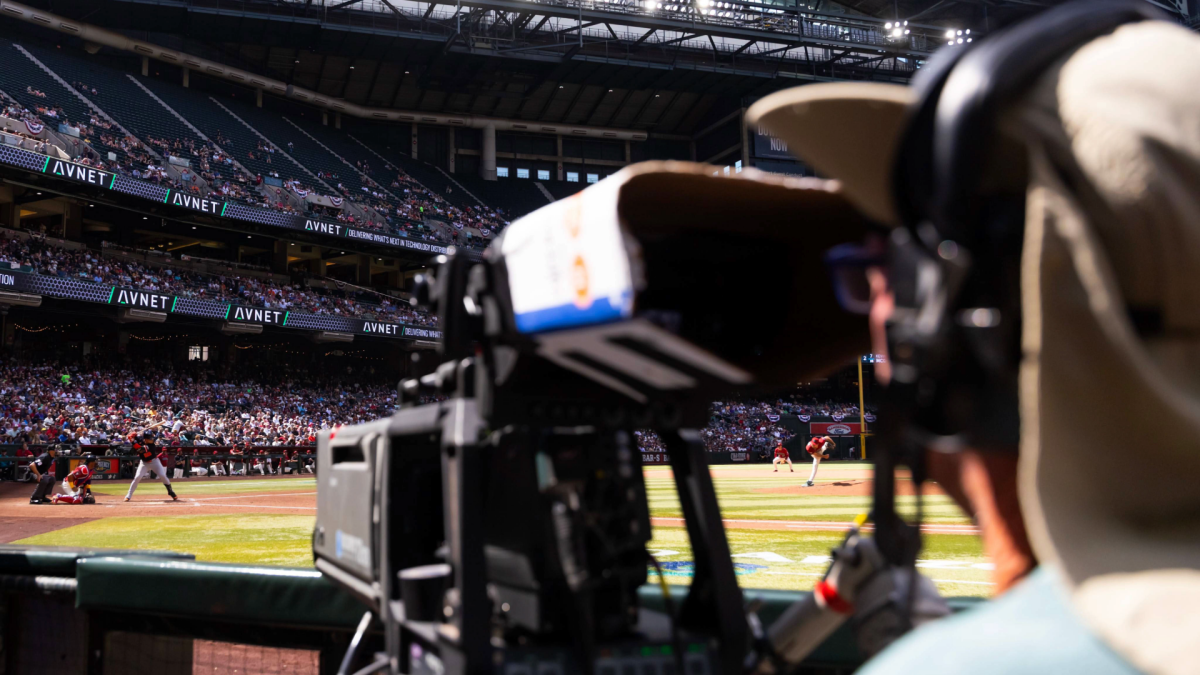
As negotiators return to the bargaining table, the focus remains on whether league leadership will look beyond restrictive caps and embrace progressive revenue-sharing reforms. Stakeholders, fans, and players await official updates from upcoming bargaining sessions as both sides weigh the economic future of the sport against the threat of a costly labor dispute.
Worth a look