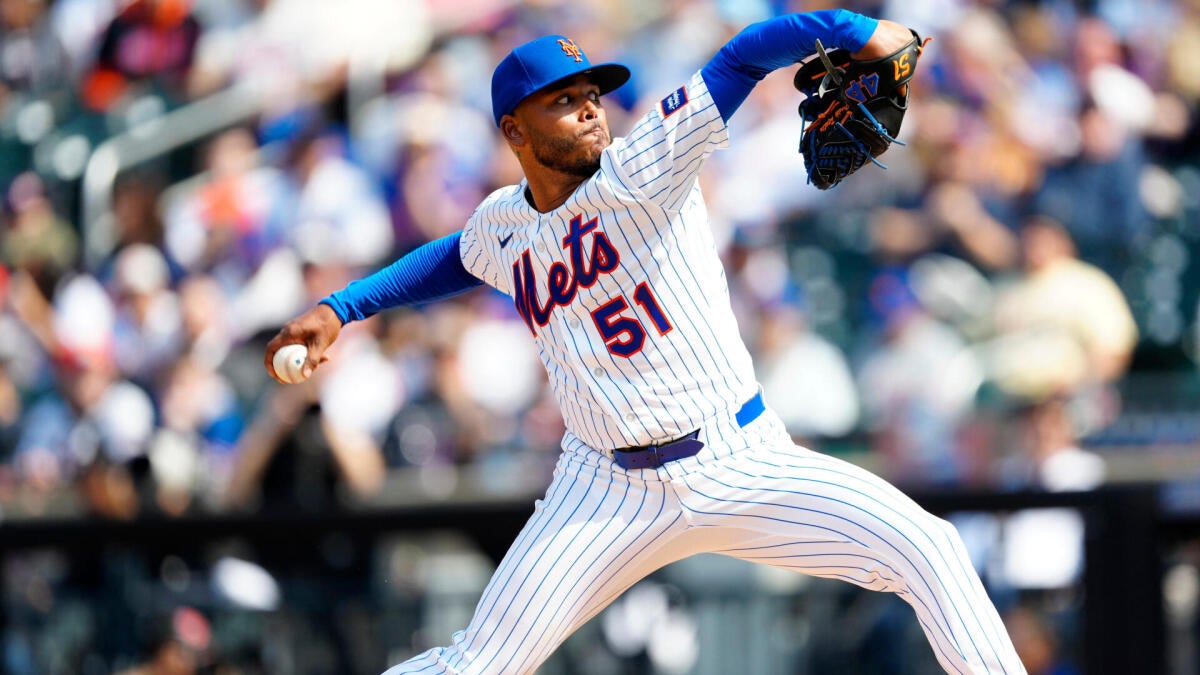
As Major League Baseball approaches its annual summer trade deadline, front offices across the league are weighing high-stakes decisions that often dictate October success. Sportsbooks and oddsmakers are actively tracking potential movement, establishing betting markets on where marquee names could land if their current clubs decide to sell. Among the prominent figures drawing heavy market interest are versatile infielder Luis Arraez and veteran starting pitcher Kevin Gausman, alongside several other perennial All-Stars whose teams sit at critical crossroads in the standings.
The betting lines reflect a complex dance of team need, financial flexibility, and prospect capital. While odds fluctuate daily based on team performance, injuries, and insider reports, the early markets offer a clear window into which franchises possess the roster holes and farm system depth required to pull off major summer blockbusters. Front offices operate under intense scrutiny during this window, balancing immediate postseason aspirations against long-term organizational health.
Understanding these trade markets requires looking past simple rumor mills and examining the underlying metrics driving oddsmakers’ decisions. Analysts point to team control years, luxury tax thresholds, and positional scarcity as the primary drivers behind player valuations. As the calendar moves deeper into the summer months, these speculative markets often tighten, providing a reliable barometer for actual baseball operations.
Evaluating the Market for Luis Arraez
Luis Arraez remains one of the most unique commodities in modern baseball, prized for his elite bat-to-ball skills and consistent ability to collect hits. Because hitting champions of his caliber rarely become available without significant prospect returns, trade discussions involving his name naturally command intense market attention. Oddsmakers have routinely positioned clubs in need of high-contact table-setters as early favorites to land him should his current franchise pivot toward a rebuild.
Evaluating potential destinations for Arraez involves analyzing defensive versatility and lineup construction. While traditionally stationed at second base, his value often increases for American League clubs that can utilize him in a designated hitter rotation while occasionally spelling infielders. National League contenders seeking a high-OBP presence at the top of the order also feature prominently in early market calculations.
Front offices pursuing bats of this profile typically must surrender multiple high-tier minor league prospects. Analysts emphasize that the cost of acquiring elite contact skills often spikes as the deadline draws nearer, forcing contending general managers to weigh the immediate offensive boost against the depletion of their organizational depth. Market odds frequently adjust the moment a contender suffers an injury to an everyday infielder.
Kevin Gausman and Pitching Demand at the Deadline
Elite starting pitching consistently dictates the rhythm of the trade deadline, and Kevin Gausman stands out as a focal point for teams searching for frontline rotation support. Veteran right-handers with a history of deep postseason outings and high strikeout rates command premium returns from general managers desperate to stabilize their pitching staffs for the stretch run. Betting markets for arms of this caliber typically feature clubs on the fringe of the playoff race looking to secure their rotations.
Securing a proven starter often requires navigating complex contractual obligations and financial commitments. Teams operating near the luxury tax threshold must calculate the long-term payroll impact alongside the prospect cost. Oddsmakers monitor these financial parameters closely when setting lines for potential landing spots, as not every contender possesses the budgetary flexibility to absorb significant salary obligations.
The market for starting pitching also shifts dynamically based on the health of existing rotations across the league. A single multi-week injury to a staff ace can instantly alter the betting odds for available veteran arms. Front offices balancing immediate rotation needs with future luxury tax implications frequently engage in multi-team framework discussions to facilitate complicated pitching transactions.
Broader Market Dynamics and Contender Strategy
Beyond individual stars, the broader trade landscape is shaped by the expanding postseason format, which keeps more teams in contention deeper into the summer. With additional wild-card spots available, fewer franchises wave the white flag early, artificially tightening the supply of available impact talent. This competitive parity often inflates prices for both bats and arms as multiple front offices chase the same handful of difference-makers.
Analysts note that early betting odds serve as a reflection of perceived organizational pressure as much as pure roster need. Fan expectations and ownership mandates frequently push general managers to be aggressive, regardless of market costs. Consequently, oddsmakers factor in the organizational temperament of specific front offices when evaluating where star players are most likely to move.
As the deadline approaches, tracking these shifting markets provides fans and analysts with a clear framework for understanding the priorities of baseball’s decision-makers. Every trade completed reshapes the postseason picture, turning July speculation into October reality.
The formal Major League Baseball trade deadline falls on July 31, at which point all regular-season roster transactions must be finalized. Fans and analysts tracking official roster moves, waiver claims, and subsequent injury reports can consult the official MLB transactions page for real-time updates as the deadline hour approaches. Share your thoughts on these potential deadline moves in the comments below.
Keep reading