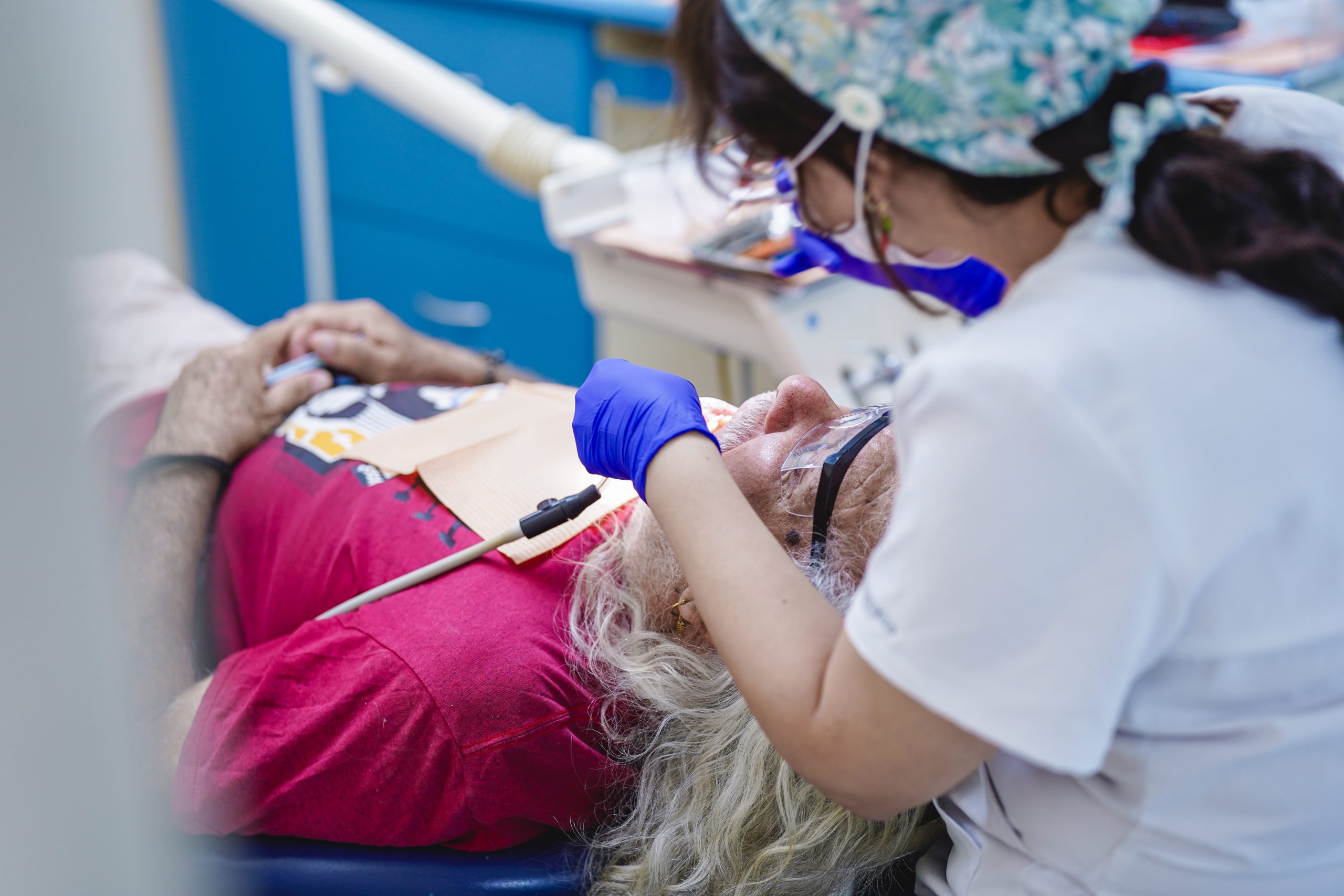
The global population is aging rapidly, presenting new challenges for healthcare systems worldwide. In Chile, a growing elderly population, particularly those residing in long-term care facilities (ELEAM), faces significant barriers to accessing essential dental care. This lack of access isn’t merely a cosmetic concern; it profoundly impacts nutrition, overall health and quality of life. Now, a team of researchers in the Maule Region is pioneering an innovative approach to bring dental care directly to those who necessitate it most, potentially transforming preventative care for vulnerable seniors.
The “Salud Bucal Mayor” (Elderly Oral Health) project, led by Dr. Soraya León Araya, an odontologist and academic at the University of Talca, aims to address this critical gap in care. The initiative focuses on implementing a minimally invasive treatment protocol within ELEAMs across three communes in the Maule Region. This targeted approach seeks to prevent tooth loss, a common and debilitating condition among older adults, and improve their overall well-being. The project’s core innovation lies in its ability to deliver effective dental treatment outside the traditional clinical setting, overcoming logistical hurdles that often prevent elderly and dependent individuals from receiving necessary care.
Chile’s demographic shift towards an aging population is placing increasing strain on the healthcare system. According to data from the National Institute of Statistics, Chile is experiencing a rapid increase in the proportion of citizens aged 65 and over. This demographic trend, coupled with the challenges faced by individuals in long-term care facilities, necessitates innovative solutions to ensure equitable access to healthcare services. Many residents of ELEAMs have limited mobility and are unable to travel to dental clinics, leaving them vulnerable to untreated dental issues. These issues can exacerbate existing health problems and significantly diminish their quality of life.
Bringing Dental Care to the Resident: A Novel Approach
The “Salud Bucal Mayor” project centers around a novel technique for treating cervical root lesions, a prevalent cause of tooth loss in older adults. This technique combines glass ionomer, an adhesive restorative material, with silver diamine fluoride. Dr. Cecilia Muñoz Sandoval, a collaborating academic on the project, explained that conventional adhesive treatments often prove ineffective under the conditions found in elderly patients’ mouths. “The combination allows us to decrease the bacterial load and gingival inflammation, achieving greater longevity in the restorations,” she stated. This approach is particularly significant because it addresses a specific and often overlooked dental problem in this population.
A key advantage of this method is its adaptability. The procedure can be performed outside of a traditional dental operatory, eliminating the need for specialized rotary instruments and conventional clinical conditions. “This allows us to reach dependent and frail patients who are often excluded from the system because they cannot travel,” Dr. Muñoz Sandoval emphasized. This portability is crucial for reaching individuals who would otherwise have limited or no access to dental care. The project’s focus on minimizing invasiveness also aligns with the needs of elderly patients, who may be more susceptible to complications from extensive dental procedures.
Ángela Martínez Garcés, a student participating in the clinical execution of the project, highlighted the direct impact on residents. “The dentist now goes to where the patient lives, reducing transportation costs and offering a minimally invasive treatment that preserves the tooth even in deep lesions,” she explained. This patient-centered approach not only improves access to care but also enhances the overall experience for residents, reducing anxiety and improving compliance with treatment plans.
Addressing Root Caries and Improving Quality of Life
The project specifically targets root caries, a form of tooth decay that affects the root surface of the tooth. This condition is particularly common in older adults due to gum recession, which exposes the root surface to acids and bacteria. Root caries can lead to pain, sensitivity, and tooth loss. According to the National Institute of Dental and Craniofacial Research, approximately 23% of adults aged 65 and older have untreated dental caries. Addressing this issue is crucial for maintaining oral health and preventing systemic complications.
The consequences of untreated dental problems extend far beyond oral discomfort. Poor oral health has been linked to a range of systemic health issues, including cardiovascular disease, diabetes, and respiratory infections. Difficulty chewing due to tooth loss can lead to malnutrition and weight loss, further compromising the health and well-being of elderly individuals. By preventing tooth loss and improving oral health, the “Salud Bucal Mayor” project aims to address these broader health concerns and enhance the overall quality of life for residents of ELEAMs.
From Research to Policy: A Vision for Scalability
The study is being conducted in ELEAMs within the Maule Region, with 200 participants in Talca. Participants will be followed for 18 months, and results are expected within two years. Dr. León Araya and her team hope the findings will demonstrate the feasibility of implementing this approach on a wider scale, potentially integrating it into both the public and private healthcare systems. “We want to demonstrate that It’s feasible to provide these services directly in the establishments and that this can translate into public policies that positively impact the quality of life of older adults,” Dr. León Araya affirmed.
The potential for scalability is a key focus of the project. If successful, the “Salud Bucal Mayor” model could be replicated in other regions of Chile and even in other countries facing similar demographic challenges. The project’s emphasis on portability, minimally invasive techniques, and cost-effectiveness makes it a particularly attractive option for resource-constrained healthcare systems. The researchers are also exploring the possibility of training healthcare professionals to deliver this treatment protocol, further expanding its reach and impact.
A 2016 study examining hygiene protocols in Chilean ELEAMs, published in the University of Chile’s repository, found that 76% of facilities had daily oral hygiene protocols in place. Yet, the study also identified several variables associated with the existence of these protocols, suggesting that implementation is not uniform across all facilities. This highlights the need for targeted interventions, such as the “Salud Bucal Mayor” project, to address gaps in care and ensure that all elderly residents have access to essential dental services.
Key Takeaways
- The “Salud Bucal Mayor” project is bringing innovative dental care directly to elderly residents in long-term care facilities in Chile’s Maule Region.
- The project focuses on treating root caries, a common cause of tooth loss in older adults, using a minimally invasive technique combining glass ionomer and silver diamine fluoride.
- This approach overcomes logistical barriers to care and improves access for individuals who are unable to travel to traditional dental clinics.
- Researchers hope the project’s findings will inform public policy and lead to wider implementation of this model across Chile and beyond.
The results of the “Salud Bucal Mayor” project are eagerly anticipated by healthcare professionals and advocates for elderly care. The study’s findings will provide valuable insights into the effectiveness of this innovative approach and its potential to improve the oral health and overall well-being of a vulnerable population. The next update on the project’s progress is expected in early 2026, when preliminary data from the 18-month follow-up period will be released. We encourage readers to share their thoughts and experiences with elderly care and oral health in the comments below.
Keep reading